
Search results for "Certified technicians" in Home Design Ideas

 C.E. Pontz Sons
This poolside flagstone patio project featured a patio area constructed using natural irregular flagstone. Seating walls and fire pit in patio area were constructed using natural (Semco ‘Cedar Ridge’) wall block and capped using natural flagstone. The Fire pit was installed with Warming Trends gas insert with manual key valve (180K BTU burner). Running of natural gas line to fire pit, was completed by a certified gas technician. All disturbed lawn areas were graded and seeded after construction. Front and back yard landscaping was renovated with transplanting of some existing and installation of all new plantings. All landscaped bed areas were Edge and mulched except for pool area which was river stone.
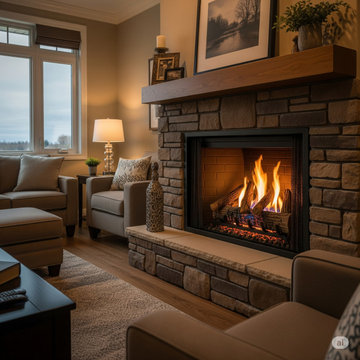
 SUPERIOR CHIMNEY SERVICES CORPORATION
September 21st is the first day of Fall. I know we don’t want to think about it yet, but it is good to prepare and get the chimney swept early. Why? According to the Farmer’s Almanac, they are predicting a colder and snowier Winter. But you say, “eh, I got a gas fireplace.” Better yet, “I don’t use my fireplace, so why should I sweep it, and clean it early?” Let’s discuss why all types of chimneys and fireplaces need to be swept.
Why Do All Types of Chimney’s and Fireplaces Need to Be Swept?
When we think of the fireplace, we picture the real wood burning fireplace with the sounds of crackling wood. With regular use of the wood-burning fireplaces, a byproduct called creosote forms and over time, lines the side of the chimney flue. This needs to be swept at least once per year as creosote is flammable. However, all chimney’s, regardless of whether it burns wood or utilizes gas, needs to be professionally inspected and swept annually.
Many homeowners mistakenly believe that a gas or unused chimney is immune to problems since it doesn't produce a byproduct. However, these chimney systems face their own unique dangers. Gas fireplaces, especially those that are high-efficiency, can lead to the buildup of corrosive deposits. Over time, these deposits can degrade your chimney liner. Getting it inspected by a certified chimney technician will control this issue so it doesn’t turn into a problem.
4 Key Reasons to Prioritize Your Annual Chimney Inspection
The annual chimney inspection is more than just a sweep; it’s a comprehensive health check for your entire chimney system. We call it the 14 Point Inspection. A certified chimney technician will look for:
1. Fire Hazards: Again, for wood-burning chimneys, the removal of creosote is important to prevent a chimney fire. Gas fireplaces release corrosive deposits. If you don’t use the fireplace, you never know what debris may have settled in. If you want to use the fireplace, please be sure to have it professionally inspected and swept before use.
2. Obstructions: There’s a whole world outside of your home, and especially in the Fall, our little friends are searching for a warm place to stay. Your chimney looks pretty good. And, let’s not forget how the wind in the Chicagoland are does a great job of moving debris around that can get up and under the chimney cap or directly into the chimney if you don’t have a cap. These blockages need to be cleared for you and your home’s protection.
3. Structural Damage: A chimney technician will be able to spot cracks, water damage, or deterioration of the chimney and chimney liner that could compromise the system's safety.
4. Ventilation Issues: Ventilation is key for your home to breathe. The certified chimney technician will ensure proper draft and airflow, which is the best way to get rid of toxic gases.
NFPA
Remember, the National Fire Protection Association (NFPA) recommends an annual inspection for all chimney types. This simple, proactive maintenance can save you from costly repairs. Don't wait for a problem to become obvious.
Contact Superior Chimney today at 877-244-6349 to schedule a 14-Point Chimney inspection to ensure your home and family are protected.
Find the right local pro for your project

 Artistic Floors by Design, Inc.
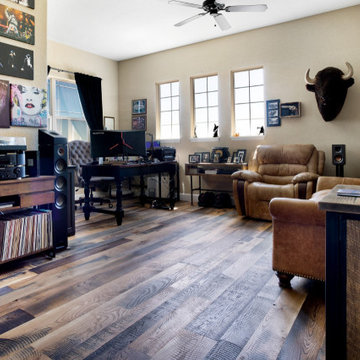
Our certified professional technicians removed a Brazilian Cherry floor that just didn't match the new kitchen in this rustic/eclectic ranch home east of Denver. We installed a mixed-plank, white oak wood floor that we custom colored in a variety of colorants with a wax-oil hybrid finish over the top. Warm, textured, and beautifully unique--the best of all things wood!
 Artistic Floors by Design, Inc.
Our certified professional technicians removed a Brazilian Cherry floor that just didn't match the new kitchen in this rustic/eclectic ranch home east of Denver. We installed a mixed-plank, white oak wood floor that we custom colored in a variety of colorants with a wax-oil hybrid finish over the top. Warm, textured, and beautifully unique--the best of all things wood!
 Artistic Floors by Design, Inc.
Our certified professional technicians removed a Brazilian Cherry floor that just didn't match the new kitchen in this rustic/eclectic ranch home east of Denver. We installed a mixed-plank, white oak wood floor that we custom colored in a variety of colorants with a wax-oil hybrid finish over the top. Warm, textured, and beautifully unique--the best of all things wood!

 Rockville Interiors
Vinyl - Vinyl Shutters are perfect for environments with extreme heat and moisture. Their vinyl composition offers unsurpassed durability guaranteed never to wrap, crack, fade, chip, peel or discolor. Our installation technicians are all factory trained and certified with a minimum of 10-years of experience. They'll oversee measuring and installation to ensure your shutters are installed perfectly and securely.
 Artistic Floors by Design, Inc.
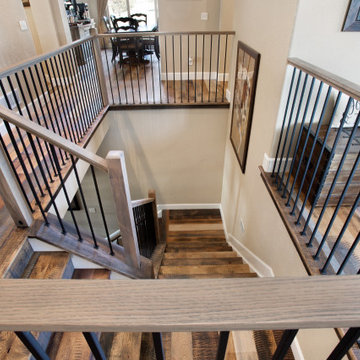
Our certified professional technicians removed a Brazilian Cherry floor that just didn't match the new kitchen in this rustic/eclectic ranch home east of Denver. We installed a mixed-plank, white oak wood floor that we custom colored in a variety of colorants with a wax-oil hybrid finish over the top. Warm, textured, and beautifully unique--the best of all things wood!
 SUPERIOR CHIMNEY SERVICES CORPORATION
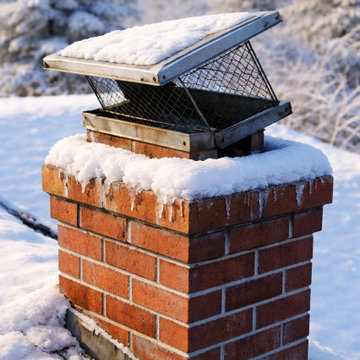
Is it crazy to think about chimney repairs in the winter? It’s cold and snowy outside and the rooftops are solid white, coated with a layer of ice. A homeowner called us with a concern about her home. She reported that a small stream of water was coming down the chimney and into the firebox. To keep the water from flooding the firebox, the homeowner placed a Tupperware container to collect the water. Not a good look. Can chimney repairs in the winter be done by a certified chimney technician?
Chimney Repairs in the Winter
Chimney repairs can be completed in the winter, although it depends on what type of chimney repair is needed. Let’s take a quick look at the different chimney repairs in our cold winter months.
Chimney Cap: If your chimney cap comes loose, or if the winter winds knocked it out of place or blew it off completely, our certified chimney technician can go up on the roof and take care of the chimney cap for you with a chimney cap replacement. Our technicians follow the guidelines for safety, especially in the winter months when roofing systems are the slipperiest.
Flashing: Flashing is the connector from the roofing system to the chimney. It is the barrier that protects water from finding its way into your home. However, if the flashing becomes loose or comes away from the roof and chimney, it is open season for the rain to come directly into your home and create chaos.
Chimney Crown: The chimney crown is the slab of cement that sits on top of the chimney and right below the chimney cap. Hairline cracks can form in the chimney crown allowing water, melted snow, to enter. Even the smallest hairline crack can cause the melted snow to find the weak spot on the chimney crown and make its way into your home.
Remember, hairline cracks can and will grow in width and length with the freeze thaw cycles. When the melted snow freezes at night, it expands inside of the crack. If the temperatures cooperate in the daytime, it melts the snow. But remember, it doesn’t necessarily dry out inside of the crack. It can remain moist and freeze again at night.
Chimney Tuckpointing: Tuckpointing the chimney can be done in the winter, but it certainly isn’t an easy process as we’re dealing with wet mortar. Cracks can create an entry point for melted snow to enter, further deteriorating the mortar.
Although it is not optimal to perform chimney repairs in the winter, Superior Chimney takes precautions to ensure a safe and effective repair. Now the homeowner can get rid of the streaming water in the firebox and enjoy the rest of the winter with a warm and dry fireplace.
Be sure to contact us today if you have a water leak in your fireplace. If you would like to have your chimney inspected and checked for water leaks coming this spring, contact us today to schedule it up in March. This way, you’ll be all set and not compete with others in the Spring.

 Cindy McCarley Designs
Historic 1880s farmhouse renovation in Spring City, Utah by certified kitchen & bath designer Cindy McCarley. Traditional meets farmhouse chic with sage green cabinetry, marble backsplash, floral wallpaper & copper details. Award-winning interior design preserving vintage charm with modern luxury.



 Manila Pest Control Services by J&J
 is one of the most reliable pest control services in Manila City, Metro Manila. Our Goal is to be the # 1 Pest control company in the Philippines, we are aiming to exceed all of our clients expectations and deliver a 5-star customer service. Our certified Pest control technicians are always ready to help you! Every home is a place of rest and relaxation for the whole family. It is where we spend quality time and do whatever we want. The problem is, no matter how much we clean our homes, unwanted guests continue to pop up. Cockroaches, rats, ants, mosquitoes, we all want our homes rid of these pesky intruders. At Manila Pest Control Services by J&J, we help you deal with these annoying creatures and provide comprehensive treatments for pest infestations. Our team specialize in General Pest Control, Ant Control, Mosquito Control, Cockroach Control, Termite, and Rodents Control. We promise to find the root of your pest control problem and cut it off once and for all.
 Senergy360, LLC.
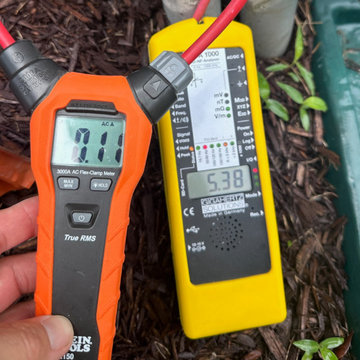
Our Senergy360 technicians use professional-grade electromagnetic field (EMF) testing equipment to detect and measure sources of electromagnetic radiation in your home. The sleek handheld meter features a digital display showing precise EMF readings in milligauss (mG) and a color-coded indicator system for easy interpretation. Its ergonomic design includes an extending probe for reaching tight spaces and testing specific areas of concern.
The device captures both AC and DC magnetic fields, electric fields, and radio frequency radiation, providing comprehensive electromagnetic exposure data. With calibrated sensors and advanced filtering technology, our equipment delivers accurate measurements that help identify potential EMF hotspots from sources like electrical panels, smart meters, WiFi routers, and household appliances.
This professional testing equipment allows our certified inspectors to create detailed EMF exposure maps of your living spaces and recommend evidence-based solutions for reducing electromagnetic radiation levels in your home.
 SUPERIOR CHIMNEY SERVICES CORPORATION
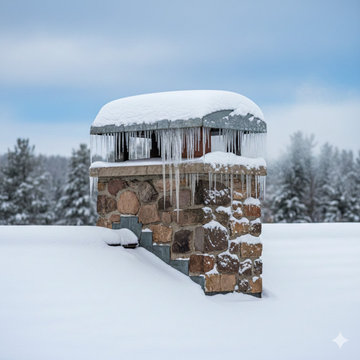
The impact of temperature drop on the chimney can impact the structure and functionality of the chimney. As we have been experiencing in Chicago winters, temperatures have gone from 50 degrees down to 21 degrees during the day, with temperatures falling even further at night. What can you do as a homeowner to watch for, and when to bring in a certified technician from Superior Chimney.
External: Impact of Temperature Drop on the Chimney
Anytime there is a rapid temperature change, it causes the bricks, stones and mortar to expand and contract. These durable materials are still susceptible to thermal shock, especially when it gets wet from ice, rain or melting snow. Because of the drastic change in temperatures, this can cause hairline cracks to begin, and if it goes unnoticed, larger cracks in the masonry will form.
External: Freeze-Thaw Damage
Mortar, bricks and stones are porous materials, meaning that air and water enter the materials. Sometimes, it leaves or dries out, and other times it stays longer. When the temperatures drop below 32 degrees, any of the trapped water freezes and then expands. This can cause small cracks to start, deterioration of the mortar or spalling which is the flaking of the bricks to occur.
External: Ice Build Up on the Chimney Cap or Chimney Crown
When temperatures are 50 degrees and it rains, water accumulates everywhere, including the highest point on your house, the chimney. The chimney cap and chimney crown are always exposed to the harshest elements. When it rains and temperatures drop during the day or night, freezing occurs and can create ice buildup. This can cause the chimney crown to crack or the chimney cap to loosen.
Internal: Chimney Flue Lining
The temperature swing also affects the chimney flue liner. Some chimney flue liners are made from clay. These are especially susceptible to crack forming from the swing in temperatures. But what also happens whether you have a gas or wood burning fireplace is the formation of condensation which can occur when there is fast cooling after the fire in the fireplace is put out or turned off.
Bring out the Sun!
Well, yes, the sunshine melts the ice and snow, but when temperatures go down at night, what remains wet, will refreeze again. The repeated process places stress on the masonry, bricks and stone.
Chimney Inspections Work
A chimney inspection can help with both safety and preserving the structure of the chimney. When a chimney technician conducts an inspection, they will search for cracks in the bricks and mortar, any spalling or deterioration from the thermal shock and freeze thaw cycle. These areas will be marked for repairs if it gets any worse and before it becomes too expensive to repair.
We can’t forget the biggest intruder in the home: water. The chimney technician will also be checking for water leaks from the chimney flashing, the chimney crown, chimney cap or the efflorescence which is the white material that shows up on the chimney or fireplace.
These are just a couple of key areas that a chimney inspection completes. There are numerous other areas, and this can be found on Superior Chimney’s 14-point inspection guide.
Contact us today, and we’ll set you up for a chimney inspection with photo evidence so you have peace of mind with the safety and security of your home.
 SUPERIOR CHIMNEY SERVICES CORPORATION
Preparing for the Thanksgiving holiday is turning out to be a bit different. Gone this year is the uncle who throws crumbs of food and bits of trash in the fireplace. Or the kids that like to poke the fireplace logs sending sparks in every direction.
This year, we get to create our own scene. Once you and your family have finished the delicious meal, now it’s time to make the rounds of Internet calls. Whether you use Zoom, Facebook, Skype or any other system, one thing is for sure…you need a warm, inviting, good-looking background.
The fireplace is the perfect go-to background, especially when you can see and hear the crackling of the fire. Put a little extra time in decorating around the fireplace, and of course, include the cookies and pumpkin pie. To ensure chaos isn’t erupting behind you, make sure your fireplace and chimney is ready to go.
Begin with a Chimney & Fireplace Inspection
By getting a chimney inspection you’ll help to ensure smoke goes up and out of the house, debris is not blocking it and any animals are safely living outside of your chimney. You certainly don’t want your online guests to think you smoked the turkey in the fireplace.
Chimney backup or a Smokey fireplace is usually caused by an insufficient draft in the flue. However, there are lots of other reasons for smoke backup including the partially open dampers, too small of a flue or a dirty chimney. This is one situation that’s best left to a certified technician to identify and repair.
Debris knows how to make its way into the chimney. Leaves, twigs, paper, plastic, and anything else flying around on windy days, has this special radar, and when it finds a chimney, it’ll try to make its way in. If the chimney doesn’t have a chimney cap, or if it was blown off or shifted from the high winds, debris found a new home!
Animals are wonderful to watch outside. We’ve watched a couple of the squirrels in our yard go from a lean body to a very plump size, all in preparation for winter. What comes next is a cozy place to sleep. The chimney is a perfect. It’s warm and protects the animals from the outdoor elements. If there isn’t a chimney cap or if the cap is loose or moved in a way to squeeze in…perfect!
What is a 14 Point Inspection?
A 14 point chimney inspection for your fireplace tells us a story about the events that occurred over the past year’s freeze and thaw cycle. It reveals to us any wear and tear, the frequency of use and the age of the chimney. This is great information to have in order to stay on top of any necessary chimney repairs and know the current conditions of worthiness for use.
Since the chimney is high on the roof, we take pictures of your chimney to show you the current condition. If any repairs are needed, you can see it for yourself.
You have a little time before the ‘live’ internet chat on Thanksgiving Day. As part of your preparations, get your chimney swept and inspected today. Call 877-244-6349.
 SUPERIOR CHIMNEY SERVICES CORPORATION
Let’s be honest. Chimney cleaning probably isn’t the first thing on your spring to-do list. But if you used your fireplace this past winter, scheduling a chimney sweep before warm weather arrives is one of the best home maintenance decisions you can make. Here’s why Spring is the best time to schedule your chimney cleaning.
Your Chimney Just Worked Hard All Winter
It’s tired, simply burnt out! Every time you burned wood this season, creosote, also known as soot, was clinging to the inner walls of your chimney. It’s a natural byproduct of burning wood, but it’s also highly flammable and the leading cause of chimney fires. The longer it sits, the more it builds up. A professional chimney sweep, such as Superior Chimney, takes a look at your chimney flue liner, damper, and firebox — clearing it all out before that creosote becomes a serious issue.
Spring is the Best Time to Take Care of the Chimney
Fall is when everyone panics. The temperature drops, and the fireplace suddenly seems appealing. By scheduling now, in spring, you get to clean your chimney now so your house doesn’t smell from the creosote left in your fireplace and chimney Superior Chimney includes a FREE 14-Point Certified Written Inspection with photo documentation sent straight to your email with every chimney sweep we do. That’s the kind of full-service you want, and you’re more likely to get it when things aren’t hectic.
Catch Problems Before They Get Expensive
Here’s something homeowners don’t regularly remember: a chimney sweep isn’t just about cleaning. It’s about integrity. When a CSIA Certified Chimney Sweep technician pushes rods and brushes through your chimney system, if pieces of fire clay tile, tile joints, or brick start falling, that tells you exactly where a structural issue exists. That’s critical information for fireworthy, continued use of your fireplace.
Avoid Any Obstructions
Obstruction-free chimney systems is another key reason for a spring chimney sweep. Birds, squirrels, and raccoons love a quiet chimney during the warmer (and definitely the cold) months. Nesting, debris, and feces can create blockages, and a simple cleaning alone won’t remove most of them. Knowing what’s going on inside your chimney before critters move in is a whole lot easier than dealing with it in October.
It’s the National Safety Standard — Not Just a Suggestion
The NFPA 211, CSIA, NCSG, and IRC all recommend annual chimney inspections and cleanings for both wood burning and gas fireplaces. It’s not optional; it’s a safety standard. As the CSIA puts it simply: clean chimneys don’t catch fire. Well put CSIA.
Did You Know?
All of Superior Chimney’s technicians are certified by the CSIA, so you know you’re getting expertise you can trust. Then we take the extra step of taking pictures so you can ‘see’ exactly what’s going on with the chimney. Everything looks good from the ground. We’ll email the pictures to you so you can keep your own records of what we all saw during the last visit. Now you know why spring is the best time to schedule your chimney cleaning.
Contact us or give us a call today at 877-244-6349 to get started.

 SafeRacks
 installed above the garage door tracks. Most garages have 18-24" of unused space above the door.
Shed - traditional shed idea in Orange County
Shed - traditional shed idea in Orange County
 SUPERIOR CHIMNEY SERVICES CORPORATION
A friend noticed a damp, musty smell coming from her living room fireplace the week after a February thaw. When she called a masonry technician from Superior Chimney, to take a look, and found that water had been working its way behind the bricks for years. What started as a small crack now meant her chimney needed structural repairs before she could safely use it again.
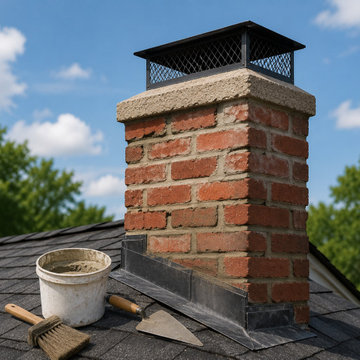
Chimney repairs are any work done to restore the structural and weatherproof condition of a chimney. This can include mortar joint repair, brick replacement, crown repair, flue repair, and cap or flashing replacement. Most Chicagoland homeowners discover the need for chimney repairs often times after winter, when the freeze and thaw cycles have already done its damage. Uncovering the symptoms early is the best way to keep chimney repairs down. Let’s discuss how that can be done.
Why Chicagoland Weather Is Especially Hard on Chimneys
Chicagoland has some of the most polarized weather. One day it’s a blizzard and the next week hot, humid and 100 degrees. That swing in weather conditions and temperatures are the real reasons why chimney repairs are needed.
When moisture from humid and rainy days’ soak into brick and mortar and then freezes, it expands. As it begins to thaw, the materials contract. Repeat that cycle dozens of times in a single Illinois winter and even solid masonry in the chimney starts to crack, spall, and separate from the joints holding it together. This is called the freeze thaw cycle. We’ve talked about it many times over the years, and it continues to be the single biggest reason homes need chimney repairs more often than homes in milder climates.
The Chimney Safety Institute of America (CSIA), the leading nonprofit certifying body for chimney professionals in the United States, notes that water intrusion is one of the most damaging and most preventable problems. If the problem is left to mature, it affects more than the appearance. It compromises the structure itself.
What Do Chimney Repairs Involve?
Not every chimney problem requires the same fix. Chimney repairs generally fall into a few categories. Understanding the difference, helps homeowners have a more informed conversation with the expert technician.
Mortar joint repair or tuckpointing. This involves removing deteriorated mortar between bricks and replacing it with fresh mortar, matched to the original color and texture as closely as possible.
Brick replacement. When individual bricks have spalled, meaning the face has cracked or popped off from trapped moisture, those bricks are removed and replaced.
Crown and cap repair. The crown is the concrete slab at the very top of the chimney. Cracks both big and small let water directly into the chimney flue. Chimney crown repair is often one of the most urgent forms of chimney repairs.
Flashing repair. Flashing is the barrier where the chimney meets the roofline. Loose, damaged or poorly installed flashing is a common source for water leaks. The roof gets the blame as it is the largest piece that covers the house. However, it certainly can be the overlooked chimney.
Flue and liner repair. Cracked flue tiles or damaged liners affect how safely a chimney vents smoke and combustion gases.
When to Know a Chimney Needs Repair
Most chimney damage shows up as small, easy to dismiss way. Let’s take a look at the following list. Be sure to print this out and keep it handy so if/when something happens, you know what to look for.
• Water stains near the fireplace or on the ceiling
• A brownish stain on the wall around your fireplace, or a stain on the ceiling near an exterior chimney. This means water is getting in somewhere it should not.
• Crumbling or missing mortar
• If you can see gaps between bricks, or mortar that flakes off when you touch it
• A leaning or visibly shifting chimney
• A chimney that appears to pull away from the house, even slightly, could indicate a structural issue
• White staining on the brick (efflorescence)
• Chalky white residue left behind as water evaporates out of the masonry. It is a visible sign that moisture is moving through brick
• Rusted damper or firebox components
• Metal parts inside a fireplace that are rusting are a strong indicator that moisture is present
• Debris in the fireplace
• Small chunks of brick, mortar, or tile landing in the firebox
What are the Various Types of Chimney Repair?
This is a compiled list of chimney repairs so you can be aware of what to look for. If you have any questions, contact us directly at 877-244-6349.
Homeowners who schedule chimney repairs at the first sign of trouble typically spend far less than those who wait until water damage reaches the interior of the home. This is a great reason to contact Superior Chimney at 877-244-6349.
Why an Annual Inspection Matters More Than People Think
The CSIA and the National Fire Protection Association both recommend that chimneys, fireplaces, and vents be inspected at least once a year, whether or not the fireplace gets used. This recommendation exists because damage does not take a break just because a chimney sits without any use.
According to data stated by the CSIA, chimney related fires still contribute to tens of thousands of residential fires across the United States each year, and a large share of those incidents can be traced back to deferred maintenance. An annual chimney inspection is what catches the small mortar crack or the hairline crown crack before it turns into a repair bill.
Hiring the Right Company for Chimney Repairs
Not every company who offers chimney repair work has the certified training to diagnose a problem correctly. CSIA certification is the most widely recognized credential in the industry, and it requires technicians to study chimney physics, venting systems, and fire codes. After the studies, the new technician needs to pass an exam and agree to a professional code of ethics.
When you call, be sure to ask:
Are your technicians CSIA certified, and can I verify that certification?
Will you show me photos or video of the damage before starting work?
Does the estimate distinguish between cosmetic repair and structural repair?
At Superior Chimney, we welcome these and other of your questions.
How Chimney Repairs Affect Insurance and Resale
A chimney in poor condition can complicate a home sale or an insurance claim. Home inspectors routinely report on visible mortar loss, leaning chimneys, or missing chimney caps. Some insurers will request proof of repair before renewing a policy on an older home. Addressing chimney repairs proactively protects more than curb appeal. It protects the sale timeline and the claims history associated to the property.
Frequently Asked Questions
How often should a Chicago area chimney be inspected? At least once a year, per CSIA and NFPA guidance, regardless of how often the fireplace is used.
Can chimney repairs be done in winter? Some interior repairs can happen in cold weather, but most masonry repair requires temperatures consistently above freezing. Spring and fall are the most common repair times in the Chicago area.
Is tuckpointing the same thing as chimney repair? Tuckpointing is one type of chimney repair, focused on replacing deteriorated mortar joints.
Does homeowners insurance cover chimney repairs? It depends. Sudden damage from a storm may be covered, while gradual deterioration from lack of maintenance typically is not.
So Finally…
Taking care of your home includes a chimney. Just because you don’t see it every day, doesn’t mean things aren’t happening. Be sure to get a chimney inspection done once per year by a certified and credible company such as Superior Chimney to take care of the issues. Contact us today by calling 877-244-6349.



 Zelaya Properties LLC
We used: Custom cherry cabinetry in Arts & Crafts Shaker style by Kabinart in Boulder and Espresso stains. Liberty Hardware Venetian bronze 1-1/2" cabinet knobs. KitchenAid Architect II Series 22 CF counter-depth French door refrigerator. KitchenAid Architect Series II 27" convection single wall oven. KitchenAid 36" 6-burner dual fuel freestanding commercial-style range. KitchenAid Architect II Series 24" dishwasher. Sharp Insight Pro Series 24" built-in microwave drawer (Model #KB6524PS). Crystorama Solaris 12" wide pendant lights in English bronze. Granite countertops in Brown Fantasy. 3"x6" polished marble backsplash.
Paint colors:
Walls: Glidden Silver Cloud 30YY 63/024
Ceilings/Trims/Doors: Glidden Swan White GLC23
Robert B. Narod Photography
6