
Search results for "Current market" in Home Design Ideas
 DeVance Electronic Lifestyle
Photos by Suad Bejtovic
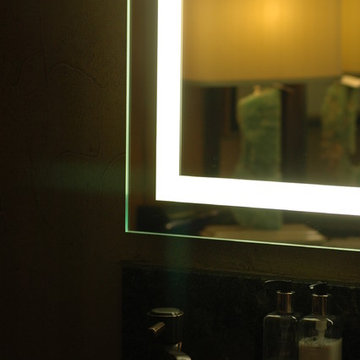
The DeVance Team has collaborated with various synergistic partners in order to create a one-of-a-kind ‘Experience Center’ in the North Dallas corridor. This Electronic Lifestyle facility has quickly become a savvy social and entertaining environment; set up to demonstrate just a few things one can do in their home or office to enhance their quality of life through the use of technology. Guests are dazzled by a plethora of custom electronic selections, incorporated into the latest technology in a cozy, yet high-end residential-style environment. The entire space is home to dozens of custom paintings by local artists and master-crafted wood works and built in cabinetry. The reception area is complimented with a 55” custom designed Art Screen TV with retractable art that rolls up into a motorized casing to reveal a 4K TV screen. The additional spaces show beautifully, with a modern family room, a sophisticated entertainment lounge, and fully functional, stocked wet bar. An acoustically treated 2-Channel listening room houses the finest in McIntosh audio equipment complete with a turntable. This room was designed for vinyl record or streaming music for ‘audiophile enthusiasts.’ The DeVance 18 seat movie theater boasts a state-of-the-art perforated ten foot screen, JBL Synthesis 7.1 surround sound system and crystal clear Runco projection system. Guests enjoy luxurious motorized leather theater seating complete with warm throws and leather ottomans for comfortable movie viewing. The DeVance restrooms continue the Electronic Lifestyle theme on a more personal level, as they are equipped with the top of the line sensor faucets and sinks by TOTO USA, Electric Mirror TVs and the ‘cleaner and greener’ electronic TOTO USA Washlets!
The ultimate vision for the DeVance Experience was to create an environment unlike any retail storefront or big box shop, where a unique and exciting experience awaits existing and prospective clients, guests, trade partners and business associates. Collaborating partners are encouraged to utilize the space as a mini-custom showroom of their own; accessing a relaxing environment to lay out clients’ space plans and select samples for custom countertops, specialized cabinet designs, fabrics, paint, carpets, etc. Essentially, The DeVance Experience Center is the hottest design/build/electronic lifestyle showroom around, lending a whole new meaning to “industry partnerships!” Based on current knowledge, there is no other showroom that is comparable.
The layout of the new Experience Center was designed specifically for event marketing. To name a few, continuing education classes and training seminars for builders, remodelers, architects, and interior designers, professional meet up groups and local business functions. Private client tours, relationship appreciation functions, sports and movie watching parties are just a smattering of the promotional campaign lineup. The center provides a professional, yet relaxing and entertaining venue for professional industry trade gatherings and events.
The Experience Center offers a showcase for user-friendly automation and control and variety of electronic lifestyle systems throughout the space via the use of an iPhone, iPad or smart tablet. With ease and elegance, guests may choose to control the lighting, shades and draperies, thermostats, whole house music, multiple televisions and video displays (many of which are concealed behind beautifully framed artwork). Mimicking many of the latest possibilities for the high-end homeowner, all of this in a comfortable and luxurious environment that makes them feel right at home!
Showroom Exchange Partners include woodworking cabinetry Concepts Realized by Walt Ring, custom artwork by Mark Whitmarsh, Ric Falster, Dawn Cleaves, and Jenny Williamson. Theater millwork interiors by Mancave DFW, custom theater seating, leather furnishings, and wood tables by Touch of France, Silestone surfaces by Cosentino USA, stone fabrication services by A-A Marble also contributing exotic granite vanity tops, faucets, sinks and toilets by TOTO USA, and Kane theater carpeting by Natural Selections.

 Bella Domicile
Dale Hall Photography, LLC
Dura Supreme Cabinetry
Inspiration for a mid-sized transitional l-shaped medium tone wood floor eat-in kitchen remodel in Milwaukee with an undermount sink, flat-panel cabinets, white cabinets, quartz countertops, brown backsplash, stainless steel appliances and an island
Inspiration for a mid-sized transitional l-shaped medium tone wood floor eat-in kitchen remodel in Milwaukee with an undermount sink, flat-panel cabinets, white cabinets, quartz countertops, brown backsplash, stainless steel appliances and an island
 Maria Blogs
It’s always an excellent idea to renovate some corners in your house if you are looking to sell. It is crucial for you to remember to ‘sell it right,’ which means doing the upgrades and renovations accurately for your homebuyer. Some of the best home renovations — for instance, an upgraded kitchen, remodeled bathroom, or a new deck — can get expensive. This is why it is important to know what kind of return you might expect before you think of taking on a remodeling project.
Top Home Renovations in 2021
If you have smartly budgeted for major remodeling projects, here are some of the upgrades that will immediately add more value to your homes:
Kitchen Remodel
People can go wild in kitchen renovations, but it’s not always required. A kitchen remodeling, if done the right way, is certain to add more value to your home. You will love an even higher return if you remodel a kitchen with traditional designs and builds. This will include replacing your cabinets, refrigerator, stove, flooring, and even sinks and faucets.
Nowadays, a kitchen’s functionality and convenience are becoming more and more important. For instance, lowered light switches, cabinets, and racks can make it simpler for an elderly person or someone with a disability to explore the kitchen if they use a wheelchair. Cabinets with a hydraulic system can make it possible for a homeowner to move their position, ensuring it’s available within your reach no matter your mobility level.
Improving Your Outdoor Appeal
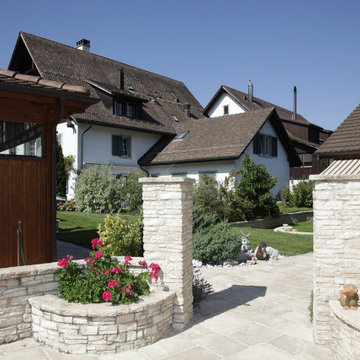
The outdoor appeal is basically the first impression of your home. That old front door, cracked driveway won’t help potential buyers feel an eternal connection with your home. The outdoor appeal can be improved with the application of new paint, gardening, or attractive landscaping. Hence, it is necessary for you to consider beforehand what improvements you are going to make, what you can do yourself, and what you need to outsource.
Begin where your property meets the main street. Are the walls well maintained and colored? Do driveways need to be redone or just a quick water blast to clean them? Do you need to paint your door or close the cracks on them or add a couple of planter pots to give more warmth to the entrance?
More expensive things include painting your house, adding a deck, or fencing your property. Before taking these costly projects, do seek professional advice about whether this will increase your property’s value.
Including Square Footage to Your Home
As mentioned above, expensive additions in remodeling include house extensions and reconfigurations of old rooms. This may lead to a larger ROI, so they’re worth assessing. You may want to add a bedroom, build a home office corner, make the living area by making it more spacious or add another bathroom. These extensions all add value to your home, but you’ll want to guarantee that you can get your money back once you sell the property.
Big projects are more expensive. Homeowners may want to think of applying for a home improvement loan to help them finance the project or ensure they have financial assistance in case the cost goes over the board.
The Bottom Line
Renovating your home not only adds to your excitement but can also increase your home’s value over time, as well.
If you live in an urban area, your listing might be competing with other upgraded homes to grab the buyers’ attention. When you refinance your house, for example, remodeling will be considered when a property appraiser studies your home’s current market value. Higher home value means you’ll get more equity and a lower loan-to-value ratio. Moreover, you might even be able to cancel personal mortgage insurance payments earlier than expected.
When you decide to sell your home, buyers will expect to see a clean, attractive home with modern updates that’s ready to move in.
Find the right local pro for your project
 DeVance Electronic Lifestyle
Suad Bejtovic
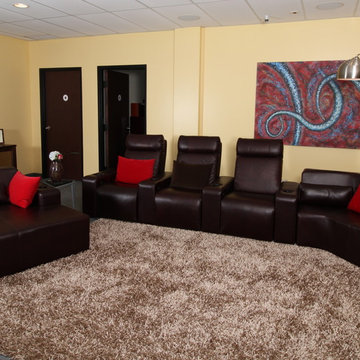
The DeVance Team has collaborated with various synergistic partners in order to create a one-of-a-kind ‘Experience Center’ in the North Dallas corridor. This Electronic Lifestyle facility has quickly become a savvy social and entertaining environment; set up to demonstrate just a few things one can do in their home or office to enhance their quality of life through the use of technology. Guests are dazzled by a plethora of custom electronic selections, incorporated into the latest technology in a cozy, yet high-end residential-style environment. The entire space is home to dozens of custom paintings by local artists and master-crafted wood works and built in cabinetry. The reception area is complimented with a 55” custom designed Art Screen TV with retractable art that rolls up into a motorized casing to reveal a 4K TV screen. The additional spaces show beautifully, with a modern family room, a sophisticated entertainment lounge, and fully functional, stocked wet bar. An acoustically treated 2-Channel listening room houses the finest in McIntosh audio equipment complete with a turntable. This room was designed for vinyl record or streaming music for ‘audiophile enthusiasts.’ The DeVance 18 seat movie theater boasts a state-of-the-art perforated ten foot screen, JBL Synthesis 7.1 surround sound system and crystal clear Runco projection system. Guests enjoy luxurious motorized leather theater seating complete with warm throws and leather ottomans for comfortable movie viewing. The DeVance restrooms continue the Electronic Lifestyle theme on a more personal level, as they are equipped with the top of the line sensor faucets and sinks by TOTO USA, Electric Mirror TVs and the ‘cleaner and greener’ electronic TOTO USA Washlets!
The ultimate vision for the DeVance Experience was to create an environment unlike any retail storefront or big box shop, where a unique and exciting experience awaits existing and prospective clients, guests, trade partners and business associates. Collaborating partners are encouraged to utilize the space as a mini-custom showroom of their own; accessing a relaxing environment to lay out clients’ space plans and select samples for custom countertops, specialized cabinet designs, fabrics, paint, carpets, etc. Essentially, The DeVance Experience Center is the hottest design/build/electronic lifestyle showroom around, lending a whole new meaning to “industry partnerships!” Based on current knowledge, there is no other showroom that is comparable.
The layout of the new Experience Center was designed specifically for event marketing. To name a few, continuing education classes and training seminars for builders, remodelers, architects, and interior designers, professional meet up groups and local business functions. Private client tours, relationship appreciation functions, sports and movie watching parties are just a smattering of the promotional campaign lineup. The center provides a professional, yet relaxing and entertaining venue for professional industry trade gatherings and events.
The Experience Center offers a showcase for user-friendly automation and control and variety of electronic lifestyle systems throughout the space via the use of an iPhone, iPad or smart tablet. With ease and elegance, guests may choose to control the lighting, shades and draperies, thermostats, whole house music, multiple televisions and video displays (many of which are concealed behind beautifully framed artwork). Mimicking many of the latest possibilities for the high-end homeowner, all of this in a comfortable and luxurious environment that makes them feel right at home!
Showroom Exchange Partners include woodworking cabinetry Concepts Realized by Walt Ring, custom artwork by Mark Whitmarsh, Ric Falster, Dawn Cleaves, and Jenny Williamson. Theater millwork interiors by Mancave DFW, custom theater seating, leather furnishings, and wood tables by Touch of France, Silestone surfaces by Cosentino USA, stone fabrication services by A-A Marble also contributing exotic granite vanity tops, faucets, sinks and toilets by TOTO USA, and Kane theater carpeting by Natural Selections.

 CairnsCraft Design & Remodel
Great spacious bathroom with lot of amenities.
Photographer: Jon Upson
Large elegant master beige tile and porcelain tile drop-in bathtub photo in San Diego with an undermount sink, raised-panel cabinets, medium tone wood cabinets, granite countertops, beige walls and a two-piece toilet
Large elegant master beige tile and porcelain tile drop-in bathtub photo in San Diego with an undermount sink, raised-panel cabinets, medium tone wood cabinets, granite countertops, beige walls and a two-piece toilet

 Interior Art
Dining Room, Red Wall & Ceiling Glaze/Faux,
Gold Transitional Ceiling & Gold Leafed "marble veins" in Center Red Ceiling
Laguna Niguel, CA
Interior Designer, Shan Luvisa of Obvious Flair www.obviousflair.com
Shan asked for an elegant red faux finish to coordinate with her chosen fabrics in this room. She also wanted a very subtle veined effect on the center portion of the red ceiling, and glazed to match the rest of the red. It was a lovely effect; it's elegance lasts and lasts. Our client absolutely loved her soft suede-like walls. This room was designed in 2001 - back in the day of old-school film in cameras! The date stamp showed these finishes were performed in 2001. I have seen this circumstance over and over..... A well-designed & exceptionally performed faux finish will last for MANY years. A well-chosen finish is rarely tiring. Our clients tend to grow into them; they fall in love with these great finishes each time they enter an area.
A Story:
A few years ago, I entered a home in a prominent area in Newport Beach called One Ford Road in which we had added extensive finishes throughout for the original owner when the home was newly built. We were called in to perform touchups by this home's current and fourth owner, readying the house to put it on the market for Owner #5! All of our faux finishes throughout were still intact, and in fact were key selling points to the home; which had one the Gold Award for the ASID/OC Home Under 3,500 square feet designed by the late Stephen L. Stein of SLS Designs in 2001.
Another Story:
Interior Art was called into see a new home in Coto de Caza, CA years ago; our new client a busy real estate agent in the area. He asked me what I could do to their new home to create a dazzling space for his wife. He made it his point to let me know of his promise to his wife that he would make it extraordinarily comfortable for her. My client was in the dog house, bigtime. He sheepishly explained he needed to save his marriage by vowing to his wife he'd NEVER make her move again. She was tired of moving; this home was the 11th house they'd lived in within the past 10 years! We suggested approximately $30,000 in artistic/faux finishes. They said yes to all of it, "Whatever Julie wants", my client said. Once we completed adding artistic & faux details throughout, both of my clients were extraordinarily happy - their comments, "Everything is so beautiful; it feels so comfortable. You've made our house into a home."
To my surprise; within the year, my client called me and excitedly told me, "Julie is about to kill me! I just sold the house!"
My client had one of HIS clients walk through his home. "Jackie, she gave me an offer I couldn't refuse! I just set a record! I sold my house for the highest $$ amount per square foot in Coto de Caza! She saw the house, went wild for it, turned to me and said, 'whatever it costs, I don't care, I HAVE to have this house' ." His buyer felt an emotional pull towards the house. "It was because of your finishes, Jackie". I was thrilled to hear his excitement, and afraid for his wife. My client did, indeed find a beautiful, much bigger home for his wife in another part of Coto de Caza, which presented us with a whole new canvas to play with throughout.
I've witnessed countless of these stories firsthand. Interior Art's finishes which we performed well over 10 years ago are still fresh and remain an elegant addition to a beautiful space. The longevity of these finishes is a consideration on choosing your wall colors/artistic details. The upgrades will pay off, both emotionally and in equity.

 Envision Web
Stuart Wade, Envision Virtual Tours
Envision Virtual Tours and High Resolution Photography is your best choice to find just what you are looking for in the Ellijay, Ga. area .Ellijay, Georgia, known as the “Apple Capital” of Georgia, is located between the Ellijay and Cartecay Rivers where they join to make the Coosawattee River and is the county seat of Gilmer County, Georgia. The origin of the city’s name is not certain but thought to be the English derivative of an Indian word(s) meaning “many waters”, “place of green things” or “new ground”. Some histories say it may have been named for an Indian chief.
Inhabited for countless years by the Cherokee people indigenous to the North Georgia, the area was first mentioned as a village and trade center before the onslaught of white settlers inhabited the region. During the 1830’s both white settlers and Indians occupied Ellijay. During the original land lottery in 1832, Martin Scalf acquired the 160 acre lot where the town now stands. In 1833, Clemonds Quinland bought 10 acres from Scalf, retained one acre for himself and donated the rest of the purchase to the County. A plan for twenty town lots, streets and a public square was created and the streets were oriented to allow maximum sunlight exposure to the buildings.
Proceeds from lot sales were used to build a jail and courthouse and pay other city expenses. During this same year, Gilmer County was appropriated $800.00 from the State to build a school, and a three-acre lot was donated for the city cemetery. On December 29, l834, Ellijay was incorporated and designated as the County seat of Gilmer County. By 1837, the town had twenty dwellings, three stores and one attorney. Most of these early buildings were of log construction.
Many roads led to Ellijay by 1849. The population had grown to 150 by 1850 and the town at five stores. Some wood-frame buildings were being constructed at this time and in 1854, a new courthouse was built in the center of the square, replacing the earlier building. The County’s first newspaper was the Ellijay Courier, started in 1875, and during this time period, Ellijay was a stop on the stagecoach line. The railroad bridge over the Cartecay River was completed in 1884 and the town now had rail service.
With the arrival of the railroad and subsequent tracks to White Path, Ellijay began to grow much faster. Many hotels were constructed and land was donated for a depot east of town. More industries, such as a cheese factory and the Shippen Brothers Lumber Mill, located in Ellijay. By 1898, the city had expanded its limits in every direction and now included the depot.
By 1900, all the buildings on the town square were brick. This included the recently completed Hyatt Hotel. Most of the other buildings in town were still of log construction, but new wood-frame buildings were being built. The Shippen Brothers Lumber Company production was expanding and exporting their lumber to Europe. Within the next few decades, this company grew to be one of the largest employers in Ellijay, often with five to six million feet of lumber in the yard at one time.
The population of Ellijay grew to 659 by 1910, and began to acquire many new modern conveniences such as electric lights and power, a telephone company and many new businesses.
Then in 1912, a fire ravaged the city, destroying 23 buildings. As a result, many new buildings were constructed under new and stricter fire and safety guidelines. The population, however, decreased slightly at this time to 632 in 1920.
During the 1920’s the town’s population began to grow again and, by this time, apples were being shipped out of the county and new storage facilities were built. Chickens were also shipped to markets outside of Ellijay and Gilmer County.
From the mid 1930’s to 1950, Ellijay received much assistance from the Federal WPA Programs. The old courthouse was removed from the center of town square and the Hyatt Hotel was remodeled to be the new courthouse. A park was created on the site of the old courthouse and the streets around the square were paved. A new street was built at this time entering town from the northeast. Other new roads, bridges, sidewalks and gutters were constructed to improve the city. A school and gymnasium were also built and other structures improved.
This growth began to impact the city’s infrastructure and in the l950’s and l960’s, a period of upgrading water systems, roads, and power supplies began. New low-rent housing appeared in l960 and a new hospital was built in l957. Georgia Highway 5 was widened in l962, new buildings around the square replaced old ones and some were remodeled. In 1974, the hospital was enlarged.
Currently, Ellijay attracts tourists who love the small-town feel and friendly atmosphere. Hotels and restaurants, unique shops, antiques and art galleries lend their charms to those who visit. A new courthouse constructed to resemble the old one, new streetscaping, family-oriented downtown events and the beautification of the square have stepped up the social and economic activity and have made Ellijay a popular destination.

 Envision Web
Stuart Wade, Envision Virtual Tours
Envision Virtual Tours and High Resolution Photography is your best choice to find just what you are looking for in the Ellijay, Ga. area .Ellijay, Georgia, known as the “Apple Capital” of Georgia, is located between the Ellijay and Cartecay Rivers where they join to make the Coosawattee River and is the county seat of Gilmer County, Georgia. The origin of the city’s name is not certain but thought to be the English derivative of an Indian word(s) meaning “many waters”, “place of green things” or “new ground”. Some histories say it may have been named for an Indian chief.
Inhabited for countless years by the Cherokee people indigenous to the North Georgia, the area was first mentioned as a village and trade center before the onslaught of white settlers inhabited the region. During the 1830’s both white settlers and Indians occupied Ellijay. During the original land lottery in 1832, Martin Scalf acquired the 160 acre lot where the town now stands. In 1833, Clemonds Quinland bought 10 acres from Scalf, retained one acre for himself and donated the rest of the purchase to the County. A plan for twenty town lots, streets and a public square was created and the streets were oriented to allow maximum sunlight exposure to the buildings.
Proceeds from lot sales were used to build a jail and courthouse and pay other city expenses. During this same year, Gilmer County was appropriated $800.00 from the State to build a school, and a three-acre lot was donated for the city cemetery. On December 29, l834, Ellijay was incorporated and designated as the County seat of Gilmer County. By 1837, the town had twenty dwellings, three stores and one attorney. Most of these early buildings were of log construction.
Many roads led to Ellijay by 1849. The population had grown to 150 by 1850 and the town at five stores. Some wood-frame buildings were being constructed at this time and in 1854, a new courthouse was built in the center of the square, replacing the earlier building. The County’s first newspaper was the Ellijay Courier, started in 1875, and during this time period, Ellijay was a stop on the stagecoach line. The railroad bridge over the Cartecay River was completed in 1884 and the town now had rail service.
With the arrival of the railroad and subsequent tracks to White Path, Ellijay began to grow much faster. Many hotels were constructed and land was donated for a depot east of town. More industries, such as a cheese factory and the Shippen Brothers Lumber Mill, located in Ellijay. By 1898, the city had expanded its limits in every direction and now included the depot.
By 1900, all the buildings on the town square were brick. This included the recently completed Hyatt Hotel. Most of the other buildings in town were still of log construction, but new wood-frame buildings were being built. The Shippen Brothers Lumber Company production was expanding and exporting their lumber to Europe. Within the next few decades, this company grew to be one of the largest employers in Ellijay, often with five to six million feet of lumber in the yard at one time.
The population of Ellijay grew to 659 by 1910, and began to acquire many new modern conveniences such as electric lights and power, a telephone company and many new businesses.
Then in 1912, a fire ravaged the city, destroying 23 buildings. As a result, many new buildings were constructed under new and stricter fire and safety guidelines. The population, however, decreased slightly at this time to 632 in 1920.
During the 1920’s the town’s population began to grow again and, by this time, apples were being shipped out of the county and new storage facilities were built. Chickens were also shipped to markets outside of Ellijay and Gilmer County.
From the mid 1930’s to 1950, Ellijay received much assistance from the Federal WPA Programs. The old courthouse was removed from the center of town square and the Hyatt Hotel was remodeled to be the new courthouse. A park was created on the site of the old courthouse and the streets around the square were paved. A new street was built at this time entering town from the northeast. Other new roads, bridges, sidewalks and gutters were constructed to improve the city. A school and gymnasium were also built and other structures improved.
This growth began to impact the city’s infrastructure and in the l950’s and l960’s, a period of upgrading water systems, roads, and power supplies began. New low-rent housing appeared in l960 and a new hospital was built in l957. Georgia Highway 5 was widened in l962, new buildings around the square replaced old ones and some were remodeled. In 1974, the hospital was enlarged.
Currently, Ellijay attracts tourists who love the small-town feel and friendly atmosphere. Hotels and restaurants, unique shops, antiques and art galleries lend their charms to those who visit. A new courthouse constructed to resemble the old one, new streetscaping, family-oriented downtown events and the beautification of the square have stepped up the social and economic activity and have made Ellijay a popular destination.
Sponsored
Columbus, OH

Structural Remodeling
Franklin County's Heavy Timber Specialists | Best of Houzz 2020!
 Envision Web
Stuart Wade, Envision Virtual Tours
Envision Virtual Tours and High Resolution Photography is your best choice to find just what you are looking for in the Ellijay, Ga. area .Ellijay, Georgia, known as the “Apple Capital” of Georgia, is located between the Ellijay and Cartecay Rivers where they join to make the Coosawattee River and is the county seat of Gilmer County, Georgia. The origin of the city’s name is not certain but thought to be the English derivative of an Indian word(s) meaning “many waters”, “place of green things” or “new ground”. Some histories say it may have been named for an Indian chief.
Inhabited for countless years by the Cherokee people indigenous to the North Georgia, the area was first mentioned as a village and trade center before the onslaught of white settlers inhabited the region. During the 1830’s both white settlers and Indians occupied Ellijay. During the original land lottery in 1832, Martin Scalf acquired the 160 acre lot where the town now stands. In 1833, Clemonds Quinland bought 10 acres from Scalf, retained one acre for himself and donated the rest of the purchase to the County. A plan for twenty town lots, streets and a public square was created and the streets were oriented to allow maximum sunlight exposure to the buildings.
Proceeds from lot sales were used to build a jail and courthouse and pay other city expenses. During this same year, Gilmer County was appropriated $800.00 from the State to build a school, and a three-acre lot was donated for the city cemetery. On December 29, l834, Ellijay was incorporated and designated as the County seat of Gilmer County. By 1837, the town had twenty dwellings, three stores and one attorney. Most of these early buildings were of log construction.
Many roads led to Ellijay by 1849. The population had grown to 150 by 1850 and the town at five stores. Some wood-frame buildings were being constructed at this time and in 1854, a new courthouse was built in the center of the square, replacing the earlier building. The County’s first newspaper was the Ellijay Courier, started in 1875, and during this time period, Ellijay was a stop on the stagecoach line. The railroad bridge over the Cartecay River was completed in 1884 and the town now had rail service.
With the arrival of the railroad and subsequent tracks to White Path, Ellijay began to grow much faster. Many hotels were constructed and land was donated for a depot east of town. More industries, such as a cheese factory and the Shippen Brothers Lumber Mill, located in Ellijay. By 1898, the city had expanded its limits in every direction and now included the depot.
By 1900, all the buildings on the town square were brick. This included the recently completed Hyatt Hotel. Most of the other buildings in town were still of log construction, but new wood-frame buildings were being built. The Shippen Brothers Lumber Company production was expanding and exporting their lumber to Europe. Within the next few decades, this company grew to be one of the largest employers in Ellijay, often with five to six million feet of lumber in the yard at one time.
The population of Ellijay grew to 659 by 1910, and began to acquire many new modern conveniences such as electric lights and power, a telephone company and many new businesses.
Then in 1912, a fire ravaged the city, destroying 23 buildings. As a result, many new buildings were constructed under new and stricter fire and safety guidelines. The population, however, decreased slightly at this time to 632 in 1920.
During the 1920’s the town’s population began to grow again and, by this time, apples were being shipped out of the county and new storage facilities were built. Chickens were also shipped to markets outside of Ellijay and Gilmer County.
From the mid 1930’s to 1950, Ellijay received much assistance from the Federal WPA Programs. The old courthouse was removed from the center of town square and the Hyatt Hotel was remodeled to be the new courthouse. A park was created on the site of the old courthouse and the streets around the square were paved. A new street was built at this time entering town from the northeast. Other new roads, bridges, sidewalks and gutters were constructed to improve the city. A school and gymnasium were also built and other structures improved.
This growth began to impact the city’s infrastructure and in the l950’s and l960’s, a period of upgrading water systems, roads, and power supplies began. New low-rent housing appeared in l960 and a new hospital was built in l957. Georgia Highway 5 was widened in l962, new buildings around the square replaced old ones and some were remodeled. In 1974, the hospital was enlarged.
Currently, Ellijay attracts tourists who love the small-town feel and friendly atmosphere. Hotels and restaurants, unique shops, antiques and art galleries lend their charms to those who visit. A new courthouse constructed to resemble the old one, new streetscaping, family-oriented downtown events and the beautification of the square have stepped up the social and economic activity and have made Ellijay a popular destination.
43