
Search results for "Cycle features" in Home Design Ideas

 Southern Staircase
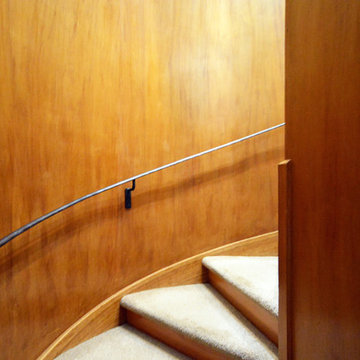
Stainless Steel custom spiral stair with wood treads.
Staircase - modern wooden spiral open staircase idea in Atlanta
Staircase - modern wooden spiral open staircase idea in Atlanta

 highland
Norfolk is one of the UK's most charming destinations, known for its peaceful coastlines, historic towns, and beautiful countryside. Every year, thousands of visitors choose to stay in travel lodges across the region — and it's easy to understand why. These accommodations offer convenience, comfort, and value, making them a favourite among solo travellers, couples, and families exploring Eastern England.
In this article, we look at the main reasons travellers love staying in travel lodges in Norfolk, and what makes the region such a welcoming place for a relaxing break.
1. Prime Locations Close to Popular Attractions
Travel lodges in Norfolk are often located near the region's top sights, making it easy for visitors to explore without long travel times. Some of the most popular spots nearby include:
Being close to these attractions means travellers save time and enjoy more of their holiday without worrying about complicated transport.
2. Comfortable Rooms at Affordable Prices
One of the biggest reasons travellers love travel lodges is the balance of comfort and affordability. The rooms are clean, modern, and designed for a relaxing stay without the high cost of luxury hotels. This makes them ideal for:
Visitors know they will get a good night's sleep without overspending, which is especially helpful for longer stays when exploring Norfolk's many villages and landmarks.
3. Perfect for Road Trips Around Norfolk
Norfolk is a great destination for road trips thanks to its open landscapes and scenic coastal routes. Travel lodges often have:
For travellers driving across the region, staying in a lodge makes the journey simple and stress-free.
4. Family-Friendly and Flexible for All Types of Guests
Many travel lodges in Norfolk are designed to welcome families and groups. They offer:
This flexibility is one of the reasons parents choose travel lodges — they are comfortable, predictable, and suitable for all ages.
5. Consistent Quality Across Locations
Whether a traveller stays in Norwich, King's Lynn, Great Yarmouth, or the Norfolk Broads area, the experience is usually consistent. People appreciate knowing what to expect:
This consistency builds trust and encourages repeat stays, both within Norfolk and across the UK.
6. Great Base for Exploring Nature and the Coast
Many travellers come to Norfolk for nature. From bird-watching at Cley Marshes to long walks along the coast, the region offers endless opportunities for outdoor activities. Travel lodges make the perfect base for:
Visitors can enjoy full days out in nature and return to a comfortable, quiet room.
7. Modern Amenities Without Extra Hassle
Travel lodges typically include practical amenities that travellers appreciate, such as:
These small but important details make short stays more convenient and enjoyable.
Conclusion
Travellers love travel lodges in Norfolk because they offer everything people need for an enjoyable stay: excellent locations, affordable comfort, family-friendly features, and easy access to the region's beautiful landscapes. Whether someone is exploring historic Norwich, relaxing on the coast, or discovering the Norfolk Broads, travel lodges provide a simple and reliable place to unwind.
This combination of convenience, quality, and budget-friendly pricing makes travel lodges one of the most popular accommodation choices in Norfolk, UK.
In this article, we look at the main reasons travellers love staying in travel lodges in Norfolk, and what makes the region such a welcoming place for a relaxing break.
1. Prime Locations Close to Popular Attractions
Travel lodges in Norfolk are often located near the region's top sights, making it easy for visitors to explore without long travel times. Some of the most popular spots nearby include:
- The Norfolk Broads National Park
- Great Yarmouth's sandy beaches
- Norwich Cathedral and historic streets
- Cromer and Sheringham coastal towns
- Holkham and Wells-next-the-Sea
Being close to these attractions means travellers save time and enjoy more of their holiday without worrying about complicated transport.
2. Comfortable Rooms at Affordable Prices
One of the biggest reasons travellers love travel lodges is the balance of comfort and affordability. The rooms are clean, modern, and designed for a relaxing stay without the high cost of luxury hotels. This makes them ideal for:
- Weekend trips
- Family holidays
- Road trips
- Business stays
Visitors know they will get a good night's sleep without overspending, which is especially helpful for longer stays when exploring Norfolk's many villages and landmarks.
3. Perfect for Road Trips Around Norfolk
Norfolk is a great destination for road trips thanks to its open landscapes and scenic coastal routes. Travel lodges often have:
- Free or affordable parking
- Easy access to major roads
- Nearby restaurants and services
For travellers driving across the region, staying in a lodge makes the journey simple and stress-free.
4. Family-Friendly and Flexible for All Types of Guests
Many travel lodges in Norfolk are designed to welcome families and groups. They offer:
- Spacious family rooms
- Extra beds when needed
- Nearby food outlets and supermarkets
- Quiet environments for restful nights
This flexibility is one of the reasons parents choose travel lodges — they are comfortable, predictable, and suitable for all ages.
5. Consistent Quality Across Locations
Whether a traveller stays in Norwich, King's Lynn, Great Yarmouth, or the Norfolk Broads area, the experience is usually consistent. People appreciate knowing what to expect:
- Clean rooms
- Reliable service
- Comfortable bedding
- Practical amenities
This consistency builds trust and encourages repeat stays, both within Norfolk and across the UK.
6. Great Base for Exploring Nature and the Coast
Many travellers come to Norfolk for nature. From bird-watching at Cley Marshes to long walks along the coast, the region offers endless opportunities for outdoor activities. Travel lodges make the perfect base for:
- Wildlife trips
- Coastal hikes
- Boat rides on the Broads
- Countryside cycling routes
Visitors can enjoy full days out in nature and return to a comfortable, quiet room.
7. Modern Amenities Without Extra Hassle
Travel lodges typically include practical amenities that travellers appreciate, such as:
- Free Wi-Fi
- Comfortable workspaces
- Hot showers
- Tea and coffee facilities
These small but important details make short stays more convenient and enjoyable.
Conclusion
Travellers love travel lodges in Norfolk because they offer everything people need for an enjoyable stay: excellent locations, affordable comfort, family-friendly features, and easy access to the region's beautiful landscapes. Whether someone is exploring historic Norwich, relaxing on the coast, or discovering the Norfolk Broads, travel lodges provide a simple and reliable place to unwind.
This combination of convenience, quality, and budget-friendly pricing makes travel lodges one of the most popular accommodation choices in Norfolk, UK.


Find the right local pro for your project

 Arcways, Inc.
Staircase created using stone risers, treads and railings.
Elegant staircase photo in Philadelphia
Elegant staircase photo in Philadelphia

 The Final Touch Design
Alcove shower - mid-sized transitional master multicolored tile and mosaic tile mosaic tile floor and blue floor alcove shower idea in Miami with recessed-panel cabinets, white cabinets, an undermount tub, beige walls, an undermount sink and terrazzo countertops


 Amazing Spaces
This is a great house. Perched high on a private, heavily wooded site, it has a rustic contemporary aesthetic. Vaulted ceilings, sky lights, large windows and natural materials punctuate the main spaces. The existing large format mosaic slate floor grabs your attention upon entering the home extending throughout the foyer, kitchen, and family room.
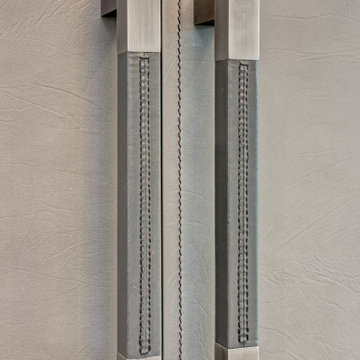
Specific requirements included a larger island with workspace for each of the homeowners featuring a homemade pasta station which requires small appliances on lift-up mechanisms as well as a custom-designed pasta drying rack. Both chefs wanted their own prep sink on the island complete with a garbage “shoot” which we concealed below sliding cutting boards. A second and overwhelming requirement was storage for a large collection of dishes, serving platters, specialty utensils, cooking equipment and such. To meet those needs we took the opportunity to get creative with storage: sliding doors were designed for a coffee station adjacent to the main sink; hid the steam oven, microwave and toaster oven within a stainless steel niche hidden behind pantry doors; added a narrow base cabinet adjacent to the range for their large spice collection; concealed a small broom closet behind the refrigerator; and filled the only available wall with full-height storage complete with a small niche for charging phones and organizing mail. We added 48” high base cabinets behind the main sink to function as a bar/buffet counter as well as overflow for kitchen items.
The client’s existing vintage commercial grade Wolf stove and hood commands attention with a tall backdrop of exposed brick from the fireplace in the adjacent living room. We loved the rustic appeal of the brick along with the existing wood beams, and complimented those elements with wired brushed white oak cabinets. The grayish stain ties in the floor color while the slab door style brings a modern element to the space. We lightened the color scheme with a mix of white marble and quartz countertops. The waterfall countertop adjacent to the dining table shows off the amazing veining of the marble while adding contrast to the floor. Special materials are used throughout, featured on the textured leather-wrapped pantry doors, patina zinc bar countertop, and hand-stitched leather cabinet hardware. We took advantage of the tall ceilings by adding two walnut linear pendants over the island that create a sculptural effect and coordinated them with the new dining pendant and three wall sconces on the beam over the main sink.
Sponsored
Columbus, OH
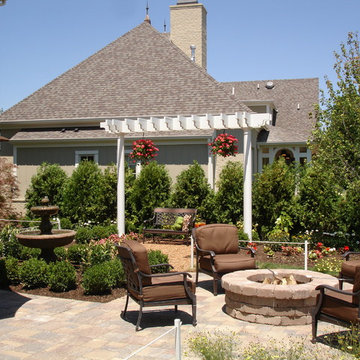
Free consultation for landscape design!

Peabody Landscape Group
Columbus' Reliable Landscape Design & Contracting


 Demax Staircase&Railing
Kaye Turley,Rebecca Y
Example of a mid-sized minimalist wooden u-shaped open and glass railing staircase design
Example of a mid-sized minimalist wooden u-shaped open and glass railing staircase design

 The Fabricsmith
Design by Young Home These by-pass rings allow the panels to be opened and closed over the brackets on a large slider door. Provided by The Fabricsmith.

 Stainless Architectural
 Metalworks,Inc.
Inspiration for a contemporary staircase remodel in New York
Inspiration for a contemporary staircase remodel in New York


Sponsored
Sunbury, OH

J.Holderby - Renovations
Franklin County's Leading General Contractors - 2X Best of Houzz!

 Zipper Architecture
Ryan Edwards
Example of a large minimalist freestanding desk craft room design in Raleigh with gray walls
Example of a large minimalist freestanding desk craft room design in Raleigh with gray walls

 User
Modern compact design features full length concealed handles to open double doors. Constructed from solid hard maple and maple plywood (unit 40”w X 33”d X 93”h). Interior with single clothes rod and four pull out trays to hold up to 40 pairs of shoes and boots.

 Shannon Adamson Interior Design
This ski-in, ski-out condo features a strong Arts and Crafts influence. The interiors feature reclaimed oak floors, mortise-and-tenon carpentry, stone, and custom period details.
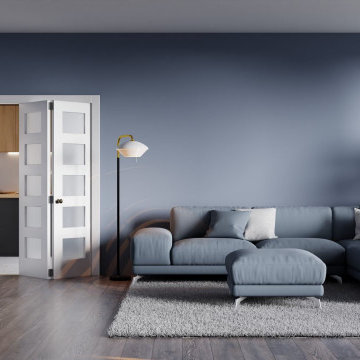
 Almesedoors
FINISH: PRIMED
The advantages of this approach – of this type of interior door finish – are fairly obvious. Pick a color, any color that suits your projects best. Mix and apply. Re- coat whenever you feel it is necessary to do so. Touch it up. It gives you, the proud owner of these interior doors, complete freedom of choice, and the significant savings, especially where it comes to bulk orders, can be a true source of joy.
As Kurt Vonnegut mentions in one of his novels (Bluebeard, unless I’m mistaken … check it out when you get a chance), the thrill of laying on colors is a large part of the artist’s professional satisfaction. In other words, a keen pleasure.
When back in the remote past visual arts became a field dominated by professionals rather than hobbyists, the main problem of “just laying on paint” became obvious: you can’t.
The medium of choice back then was egg tempera, a permanent, fast-drying substance consisting of colored pigments mixed with a water-soluble binder medium, usually glutinous material such as egg yolk. Portraits and ornaments were executed in this medium, and the wood panel was the surface of choice. One of tempera’s interesting features is that it is not as easily absorbed by wood as other mediums. Some sort of primer was necessary, of course, but pretty much any substance that dried evenly could be used.
The drawbacks of tempera, or pintura al temple, as the Spanish call it, only became obvious with the advent of the Renaissance, when the leading representatives of the trade turned to oil (and interior doors suddenly became a great deal less crude, but that’s a story for another day).
Oil painting is the process of “painting with pigments with a medium of drying oil as the binder.” Commonly used types include linseed (highly preferable in art, though not necessarily in interior doors, mind you), poppy seed, walnut, and safflower.
Today, five hundred years later, it is safe to say that oil is more versatile than pintura al temple – by orders of magnitude. Specifically, the contrasts achieved through the former are much greater, the darks are far deeper, and three- dimensional, highly realistic images are much easier to achieve. Next time you visit a museum, take a closer look at pintura al temple portraits. All of them, without exception, come off as a bit “flat” as opposed to their latter-day counterparts.
Also, where glazing is concerned …
Glazing: a painting technique in which a transparent layer, with just a touch of pigment, is laid over a previously painted surface, allowing light to travel through the glaze and be reflected back off of the opaque layer below. Gentle shadows, subtle changes of color, smooth transitions – all these can be achieved through glazing, which was used by all artists up until the middle of the Nineteenth Century, when artist tubes were invented, revolutionizing the field, and other techniques began to be explored.
Tempera enthusiasts (it takes all kinds to make a world) will assure you that glazing is not just possible in pintura al temple but is actually the basis of the whole enterprise. Well, what are you going to do? They’re enthusiasts.
Anyway, la peinture à l'huile, as the French call it, re-introduced the ancient problem of most surface’s propensity to absorb dipingere, as the Italians call the stuff. Wood or canvas, it is all the same: you’re not going to get very far without a good primer.
Experiments were conducted, and soon rabbit skin glue emerged as the least expensive and most effective solution. It was easy to apply. It dried evenly. It made the application of the l’huile stuff on top of it a walk in the park.
There were drawbacks. Today, rabbit skin glue is considered to be a major cause of cracking by most modern conservators. (Remember, when you visited the Metropolitan Museum of Art – and did you see those interior doors? … some of them are quite something … - most “old masters” pictures are completely covered with a cobweb of cracks? There you go). Because the glue is hygroscopic, it continually absorbs moisture from the atmosphere, causing the glue to swell and shrink as ambient humidity levels change. Over many humidity cycles, this repeated flexing causes the brittle oily layers to crack.
To combat this problem, modern primers are made of acrylic materials which are guaranteed not to cause any damage to the dipingere. No bubbling, no cracks. Your interior doors are safe.
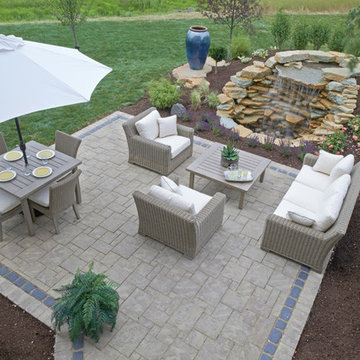


 Denver Landscapes
Outdoor water fountain with tile
Design ideas for a small craftsman partial sun backyard stone water fountain landscape in Denver for summer.
Design ideas for a small craftsman partial sun backyard stone water fountain landscape in Denver for summer.
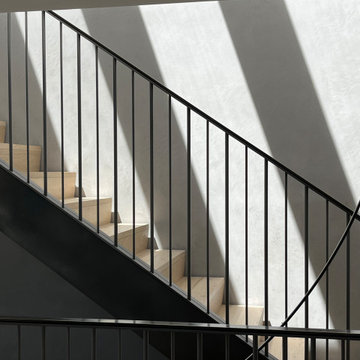
 Social Studio
Thin sticks and arc light.
Example of a 1960s metal railing staircase design in San Francisco with metal risers
Example of a 1960s metal railing staircase design in San Francisco with metal risers

 Sarabi Studio
 designed, fabricated and installed this unique ribbon stair case for a Austin, TX residence. The stairs are constructed from 3/16" thick steel plate and the center support is a single seamless steel tube. The stairs lead from a office up to a roof top terrace with stunning views of the city in the distance.
Sarabi Studio, Austin, TX
27