
Search results for "Developing protection" in Home Design Ideas

 Custom Surface Solutions
 (www.css-tile.com) - Owner Craig Thompson (512) 430-1215. This project shows a custom shower configuration with 6" x 12" Carrara marble wall tile on subway pattern, Custom cut and profiled 12" x 24" Carrara marble tile on vertical end walls and curb and Carrara marble mosaic shower floor.

 Glenview Haus – Custom Doors & Wine Cellars
The Glenview Haus Classic Collection of front doors provides solid wood doors with elegant, archetypal designs. The custom-made styles range from two-panel doors with elaborate raised moldings to beautiful glass doors with leaded patterns, adding beauty and grace to the home’s entrance. The artisans at Glenview Haus focus on enhancing the natural elegance of the high-end wood grains by using furniture quality stains and techniques.


Find the right local pro for your project

 First State Building & Design
We expanded an existing deck with new stairs, railing, decking, deck board design, lighting, complete with all post and beam wraps. All decking you see is Zuri decking with Timbertech Rail Systems. We installed riser lights up the stairs with post caps on top of all posts.

 User
Vicenza Grigio Limestone
Inspiration for a large coastal backyard concrete paver patio remodel with no cover
Inspiration for a large coastal backyard concrete paver patio remodel with no cover

 Benchmark Blinds & Interiors, Inc.
Close up of Ripplefold drapery heading
Minimalist sunroom photo in Atlanta
Minimalist sunroom photo in Atlanta
 kmjee
Pepper plants are a delightful addition to any garden, offering a vibrant burst of color and spice to your culinary creations. However, even experienced gardeners can encounter challenges when growing pepper plants. In this blog, we'll explore some common issues you might face and provide practical solutions to help your pepper plants thrive.
1. Slow or Stunted Growth
Issue: Slow or stunted growth in pepper plants can be discouraging, but there are specific steps you can take to address this issue effectively.
Solution:
a. Soil Health:
- Well-Draining Soil: Ensure your pepper plants are in well-draining soil to prevent waterlogged roots, which can inhibit growth.
- Organic Matter: Incorporate plenty of organic matter, such as compost or well-rotted manure, into the soil to improve its texture and nutrient content.
- pH Level: Test the soil pH and adjust it to the ideal range between 6.0 and 6.8 using lime or sulfur as needed.
b. Fertilization:
- Balanced Fertilizer: Use a balanced, slow-release fertilizer designed for vegetables to provide essential nutrients steadily throughout the growing season.
- Compost: Amend the soil with compost to enhance nutrient availability and soil structure. This can promote healthier growth.
c. Watering:
- Consistent Moisture: Maintain consistent soil moisture levels by watering your pepper plants regularly but avoid waterlogging. Aim for 1-2 inches of water per week, adjusting based on your local climate and weather conditions.
- Mulching: Apply mulch around the base of the plants to retain soil moisture and regulate temperature.
2. Yellowing Leaves
Issue: Yellowing leaves can be a sign of various underlying problems, but addressing them promptly can restore the vibrancy of your pepper plants.
Solution:
a. Nutrient Deficiencies:
- Balanced Fertilization: Use a well-balanced fertilizer that includes micronutrients to address nutrient deficiencies.
- Specific Nutrients: If you suspect a particular deficiency, such as magnesium, iron, or nitrogen, apply the appropriate nutrient supplement following package instructions.
b. Pest and Disease Control:
- Pest Inspection: Regularly inspect the leaves and stems for common pests like aphids and mites. Remove affected leaves and treat with organic pesticides if necessary.
- Disease Management: Look out for signs of diseases like bacterial leaf spot or fungal issues. Apply organic fungicides or bactericides as recommended.
3. Blossom Drop
Issue: When pepper plants drop their blossoms prematurely, it can hinder fruit development and lead to disappointment.
Solution:
a. Temperature Control:
- Stable Temperatures: Ensure your pepper plants are exposed to consistent temperatures between 70°F and 80°F (21°C to 27°C) during flowering. Avoid sudden temperature fluctuations by providing shelter or using row covers.
b. Pollination:
- Assist with Pollination: If growing peppers indoors or in a greenhouse, help with pollination by gently shaking the plants or using a small brush to transfer pollen between flowers. Outdoor pepper plants are usually pollinated by insects.
4. Wilting Plants
Issue: Wilting or drooping pepper plants can be a sign of various problems, but proper care can revive them.
Solution:
a. Watering:
- Consistent Moisture: Adjust your watering routine to keep the soil consistently moist but not waterlogged. Water early in the day to prevent fungal issues.
- Drainage: Ensure proper soil drainage by amending the soil or using raised beds to prevent waterlogged roots.
b. Pest Control:
- Pest Inspection: Examine the undersides of leaves for signs of pests like aphids, spider mites, or whiteflies. Treat infestations promptly with biological insecticides.
5. Curling Leaves
Issue: Curling or misshapen leaves indicate stress in pepper plants, which can be caused by various factors.
Solution:
a. Environmental Stress:
- Stable Conditions: Ensure your pepper plants are in an environment with stable humidity, temperature, and adequate air circulation. Avoid sudden changes in conditions.
- Proper Ventilation: Adequate air circulation can reduce humidity and prevent fungal issues.
b. Pest and Disease Management:
- Pest Inspection: Regularly inspect your plants for pests and diseases, addressing them promptly with organic remedies as needed.
6. Sunscald
Issue: Sunscald can lead to discolored, leathery patches on pepper fruits when exposed to intense sunlight.
Solution:
a. Shade Cloth:
- Sun Protection: Shield your pepper plants from harsh sunlight during the hottest part of the day using shade cloth or by planting them where they receive some filtered sunlight.
b. Pruning:
- Fruit Shading: Prune excess foliage to allow better fruit shading, reducing the risk of sunscald. Ensure that there's a balance between foliage and fruit.
7. Pepper Plant Pests and Diseases
Issue: Aphids, mites, whiteflies, and various diseases can affect pepper plants, but you can manage them effectively.
Solution:
a. Regular Inspection:
- Vigilant Monitoring: Regularly inspect your pepper plants for signs of pests or diseases, paying close attention to the undersides of leaves and stems.
b. Organic Remedies:
- Pest Control: Use organic remedies like neem oil, insecticidal soap, or diatomaceous earth for pest control.
- Disease Management: Apply organic fungicides or bactericides as recommended to manage diseases like powdery mildew or bacterial spot.
While growing pepper plants can present various challenges, these common issues are manageable with the right knowledge and care. Regular monitoring, proper soil preparation, and timely intervention can help you enjoy a bountiful harvest of vibrant, spicy peppers. Remember that gardening is a learning experience, and each challenge you face is an opportunity to improve your skills and enjoy the rewards of homegrown peppers in your favorite dishes.
Sponsored
Sunbury, OH

J.Holderby - Renovations
Franklin County's Leading General Contractors - 2X Best of Houzz!
 Blue Hibiscus Gardens
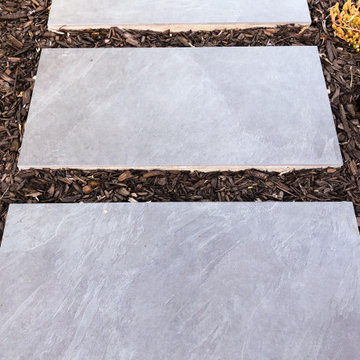
This is an example of a large contemporary drought-tolerant front yard walkway in San Francisco.
 General Shale
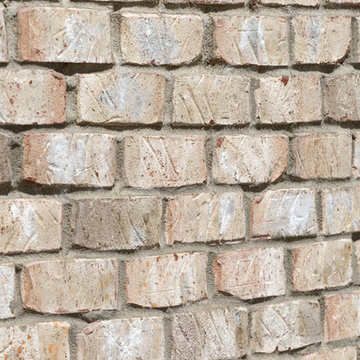
Delightful "Nottingham Tudor" brick home using gray mortar.
Home design - traditional three-story brick beige home design idea with a clipped gable roof
Home design - traditional three-story brick beige home design idea with a clipped gable roof

 Trademaster Construction Professionals
Inspiration for a small contemporary master gray tile and cement tile corner shower remodel in Indianapolis with a two-piece toilet, gray walls, an integrated sink and solid surface countertops

 Reed Construction
Close up of salvaged tin ceiling, complete with rust spots and faux beams. Ceiling fan is harbor breeze.
Inspiration for a rustic family room remodel in Dallas
Inspiration for a rustic family room remodel in Dallas


 driscoll interior design, LLC
Mid-sized trendy 3/4 beige tile, black tile, gray tile, white tile and mosaic tile porcelain tile and brown floor alcove shower photo in DC Metro with shaker cabinets, black cabinets, gray walls, an undermount sink, quartz countertops and white countertops
Sponsored
Columbus, OH
We Design, Build and Renovate

CHC & Family Developments
Industry Leading General Contractors in Franklin County, Ohio

 Capo Fireside San Diego Design Center
Example of a mid-sized transitional backyard tile patio design in San Diego with a fire pit and an awning

 Barbara Stock Interior Design
WHITE SUBWAY TILE, CARRARA HEXAGON SHOWER FLOOR, DRIFTWOOD PORCELAIN FLOOR TILE,
Example of a mid-sized country master gray tile bathroom design in Los Angeles with shaker cabinets, white cabinets and marble countertops
Example of a mid-sized country master gray tile bathroom design in Los Angeles with shaker cabinets, white cabinets and marble countertops

 Homestead Doors, Inc.
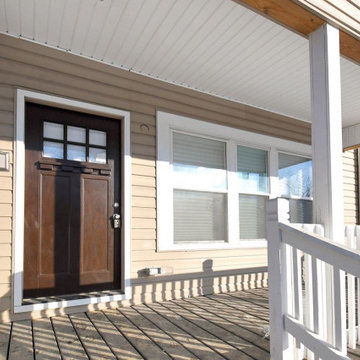
Door #HZ7
Style #FP3100
Solid Wood Flat 3 Panel
Elm
Golden Brown Finish
Elm Casing
Contact us for your door project
Call 419-684-9582
Visit https://www.door.cc

 Wall Control
's 2in Handle Hanger (PN: 10-HH-3050) is a great pegboard accessory for hanging Mag Flashlights and anything else that has a large head and a smaller handle.
Sponsored
Columbus, OH
We Design, Build and Renovate
CHC & Family Developments
Industry Leading General Contractors in Franklin County, Ohio


 QMA Architects
 & Planners
Historic Marven Gardens
Example of a mid-sized tuscan beige two-story stucco exterior home design in Philadelphia with a hip roof
Example of a mid-sized tuscan beige two-story stucco exterior home design in Philadelphia with a hip roof


51