
Search results for "Donated" in Home Design Ideas
 Ancient Elements Stoneworks
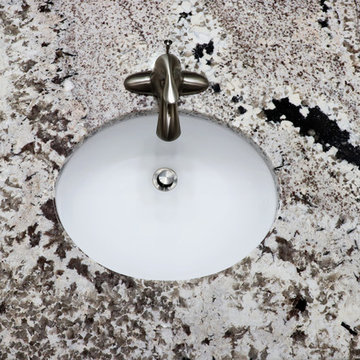
One of the local historical sites in Laramie renovated their venue. This renovation included four vanities, Ancient Elements donated four vanities in Splendour White with 4" splash. Two of the bathrooms have under mount sinks while the other two have self rimming sinks.

 Lowell Custom Homes
Lowell Management, Lake Geneva Wi.
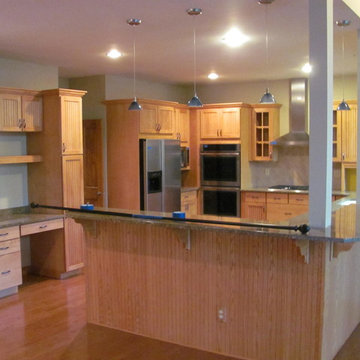
Donated kitchen from the Abbey Springs golf course community in Fontana, WI.
Find the right local pro for your project
 Cravotta Interiors
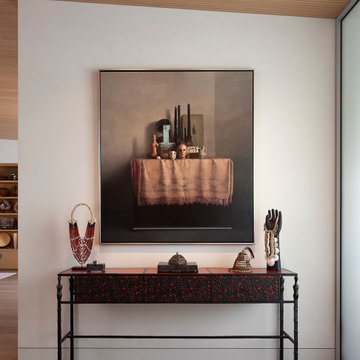
Entry at Rocky River featuring a custom bronze and leather console by Ingrid Donat.
Inspiration for a modern entryway remodel in Austin
Inspiration for a modern entryway remodel in Austin
 Ancient Elements Stoneworks
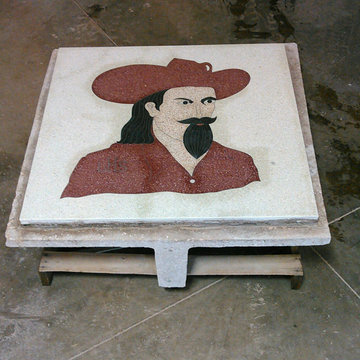
Ancient Elements Stoneworks worked with L.H.S. to restore this custom made stone with the high school mascot on it. A.E.S. donated time and supplies to restore this piece of history for Laramie.
 Ancient Elements Stoneworks
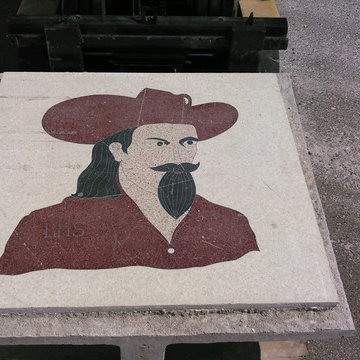
Ancient Elements Stoneworks worked with L.H.S. to restore this custom made stone with the high school mascot on it. A.E.S. donated time and supplies to restore this piece of history for Laramie.

 Organized Beautifully
My generous organizing client needed help to pare down before she moved. She had much beautiful yarn and was concerned about it going to a good cause. We were so lucky to learn about fallbrookblanketproject.org. The yarn will be used to knit and crochet blankets, hats, scarves for over 10 different charities.
If you need help paring down, call a professional organizer. It's much easier to do it with a buddy than alone. We take a full carload of your donations after every session as a community service.
 Ancient Elements Stoneworks
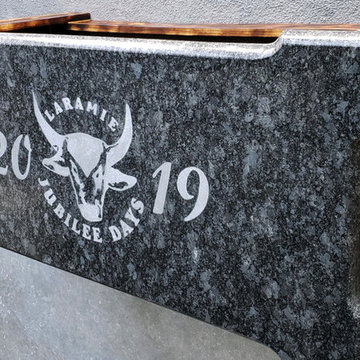
Custom coffee table with the Laramie Jubilee Days logo and year. Made out of Steel Grey for the top and our shop manager built the base and used a torch to create a rustic piece for the coronation donation this year.
 Giselle Ulmo
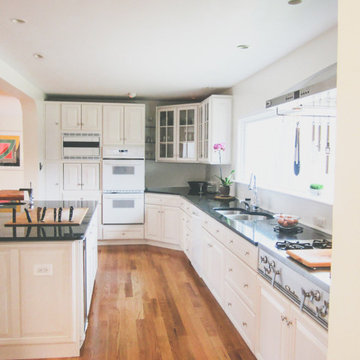
This kitchen is fully recycled. Cabinets, countertops, and appliances were donated to a Green company that sells these for a fraction of the cost. If you are renovating your kitchen think about donating your kitchen for a tax right off.
 Organized Beautifully
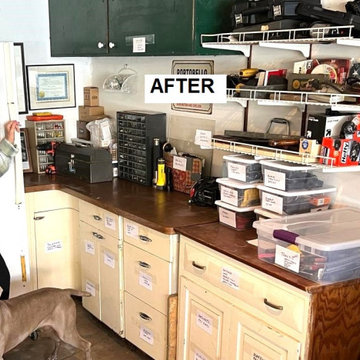
These homeowners decided to take the plunge of totally reorganizing their garage and removing years of collections and clutter. We added five rolling racks on wheels bought from Costco. And used over 40 Sterilite brand bins in various sizes. Now labeled too!


 Ancient Elements Stoneworks
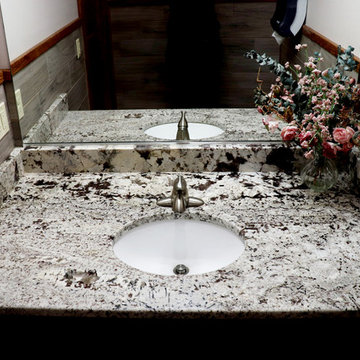
One of the local historical sites in Laramie renovated their venue. This renovation included four vanities, Ancient Elements donated four vanities in Splendour White with 4" splash. Two of the bathrooms have under mount sinks while the other two have self rimming sinks.
 iFurnitureAssembly LLC
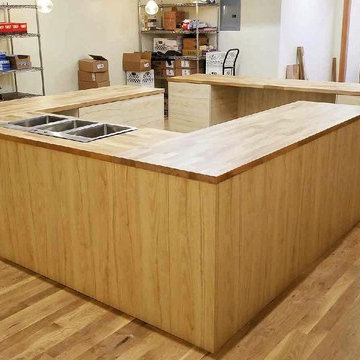
Good business is not just about profit, it's also about helping people! iFurniture Assembly recently made a donation to Masbia Soup Kitchen in the form of buying Ikea food station and installing it at their new facility in Queens that will soon provide hot, nutritious meals to hundreds of New Yorkers in desperate need of food everyday. We believe that by helping each other we can make this world better!

 Whitten Architects
photography by Rob Karosis
Inspiration for a mid-sized timeless slate floor mudroom remodel in Portland Maine with yellow walls
Inspiration for a mid-sized timeless slate floor mudroom remodel in Portland Maine with yellow walls

 GHOCHE ARCHITECTE
Lake house in St-Donat, Quebec. Family of 5 including 3 kids. The inspiration came from wood house structures in British Columbia, Canada. The big roof line goes across the whole house from the living areas with a cathedral ceiling to the 2nd floor bedrooms. On the top, a big dormer window house the mezzanine of one of the kid's rooms and offers views of the mountains and the night sky.

 Salem Architecture
Projet d’agrandissement de chalet à St-Donat, réalisé en collaboration avec Yannick Giasson, architecte.
Nouvelle chambre des maîtres et nouvelle salle de jeux + réaménagement partiel de l’existant.
L’agrandissement du chalet a été conçu de sorte à préserver la magnifique vue vers le lac à travers le bâtiment dès le point d’arrivée sur le site. L’intégration d’une structure de bois exposée, la disposition des ouvertures et l’agencement des matériaux permettent de créer des espaces lumineux en relation directe avec l’environnement.
 Salem Architecture
Projet d’agrandissement de chalet à St-Donat, réalisé en collaboration avec Yannick Giasson, architecte.
Nouvelle chambre des maîtres et nouvelle salle de jeux + réaménagement partiel de l’existant.
L’agrandissement du chalet a été conçu de sorte à préserver la magnifique vue vers le lac à travers le bâtiment dès le point d’arrivée sur le site. L’intégration d’une structure de bois exposée, la disposition des ouvertures et l’agencement des matériaux permettent de créer des espaces lumineux en relation directe avec l’environnement.
 Salem Architecture
Projet d’agrandissement de chalet à St-Donat, réalisé en collaboration avec Yannick Giasson, architecte.
Nouvelle chambre des maîtres et nouvelle salle de jeux + réaménagement partiel de l’existant.
L’agrandissement du chalet a été conçu de sorte à préserver la magnifique vue vers le lac à travers le bâtiment dès le point d’arrivée sur le site. L’intégration d’une structure de bois exposée, la disposition des ouvertures et l’agencement des matériaux permettent de créer des espaces lumineux en relation directe avec l’environnement.
 Salem Architecture
Projet d’agrandissement de chalet à St-Donat, réalisé en collaboration avec Yannick Giasson, architecte.
Nouvelle chambre des maîtres et nouvelle salle de jeux + réaménagement partiel de l’existant.
L’agrandissement du chalet a été conçu de sorte à préserver la magnifique vue vers le lac à travers le bâtiment dès le point d’arrivée sur le site. L’intégration d’une structure de bois exposée, la disposition des ouvertures et l’agencement des matériaux permettent de créer des espaces lumineux en relation directe avec l’environnement.
 Salem Architecture
Projet d’agrandissement de chalet à St-Donat, réalisé en collaboration avec Yannick Giasson, architecte.
Nouvelle chambre des maîtres et nouvelle salle de jeux + réaménagement partiel de l’existant.
L’agrandissement du chalet a été conçu de sorte à préserver la magnifique vue vers le lac à travers le bâtiment dès le point d’arrivée sur le site. L’intégration d’une structure de bois exposée, la disposition des ouvertures et l’agencement des matériaux permettent de créer des espaces lumineux en relation directe avec l’environnement.
1