
Search results for "Fertility" in Home Design Ideas
 Prime Gardens Inc
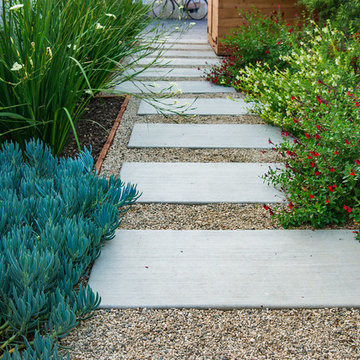
This Culver City side yard installation includes:
New poured concrete pathway with pea gravel and border edging surrounded by new drought tolerant planting with low maintenance, low consumption, drip irrigation over a fertile mulch ground cover. Paralleled by a custom built Redwood storage shed.

 Steve Shelly Landscapes
Natural native design with Blue Gramma Lawn
Inspiration for a southwestern landscaping in Albuquerque.
Inspiration for a southwestern landscaping in Albuquerque.

 Treeline Design
FRUIT FOREST
With prior establishment of plum and pear trees and raspberries, transforming the expansive lawn into a perennial fruit haven was a sensible and resilient decision for the home owner. Berries were planted into 80 linear feet of hugelkultur mounds, layered with tree trimmings, leaves, manure, and mulch, to provide long term fertility. Fruit trees established an orchard to provide fruit from August through October.
Plant List:
Blueberries
Apple Trees
Cherry Trees
Apricot Tree
Currants
Jostaberries
Gooseberries
Aronia
Cranberry Viburnum
Find the right local pro for your project

 Nifelle Design - Fine Interiors
David Papazian
Inspiration for a transitional dining room remodel in Portland
Inspiration for a transitional dining room remodel in Portland

 English Gardens And Designs LLC
Inspiration for a mid-sized traditional full sun backyard formal garden in New York.
 Borealis Landscape & Design DBA Skipley Farm
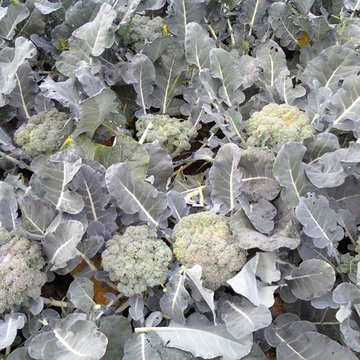
Broccoli. What? This is what it looks like when it grows and yes I would add it to the 'edible landscape'. Easy on fertile soil. the only challenge is it leaves a void when you harvest-thus rotations of other flowers and vegetables throughout the season. Photo by Gil Schieber, Skipley Farm
 Springer Environmental Services
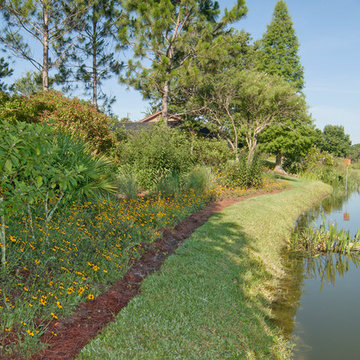
A lakeside planting of native flowers and shrubs is beautiful and sustainable, needing no chemical treatments or fertilizers and eliminating polluted runoff. The garden, with its variety of flowers, shrubs, and trees, provides year-round food and shelter for birds, butterflies, and other wildlife.




 M A Jaworski Landscape Design
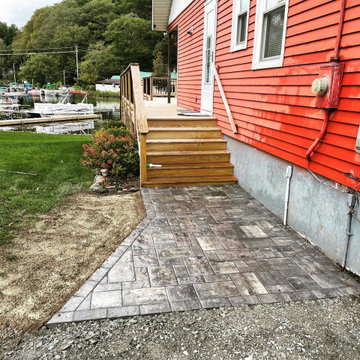
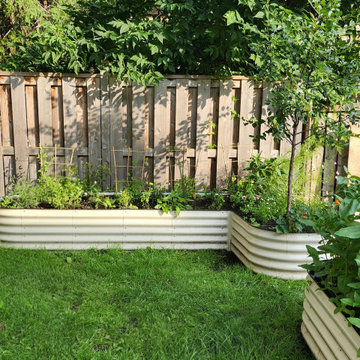
2025 in the summertime, showing the Sproutbox system - in the custom configuration for this client. On the R is a sour Cherry tree, rated as hardy to zone 3, which can overwinter in a raised container garden in our climate. It has put on explosive growth in the sunny site, and yielded many blossoms (not shown), and fruit even in its first year of planting. It is self-fertilizing, so a second cherry tree is not required, which is desirable, given the tight spacing in this back yard. Near it are planted flowers which are pollinator magnets.
 Prime Gardens Inc
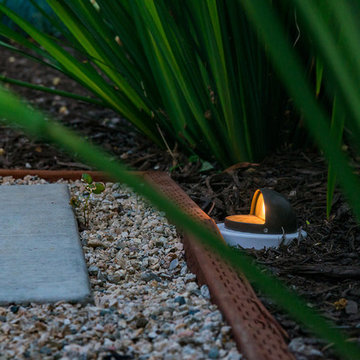
Directional outdoor pathway lighting. Paralleling new poured concrete pathway with pea gravel and border edging, surrounded by new drought tolerant planting with low maintenance, low consumption, drip irrigation over a fertile mulch ground cover. To create a serene and tranquil illuminated landscape in Culver City California.

 Outdoor Creations Landscape & Design Inc.
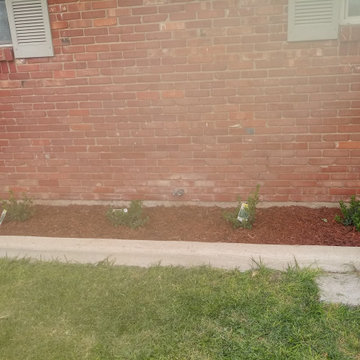
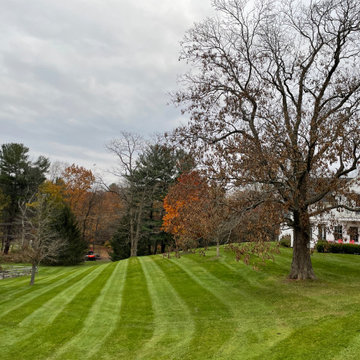
Eradication of both cool season and warm season transitional weeds thru selective treatment. as it was at poor dormant stasis with the time of year be it mid May and should have been in mid activity, we amended soils both tending to its structure foundation and also tending to the turf types needs at one time the week prior, then properly mowed and cleaned up the turf areas.
 Springer Environmental Services
Native black-eyed susans brighten a sunny corner near the mailbox. By using native plants, which are naturally suited to the soil, climate, and conditions of an area you can have a flourishing garden that uses no fertilizers and requires no chemical treatment to be healthy.

 Treeline Design
FRUIT FOREST
With prior establishment of plum and pear trees and raspberries, transforming the expansive lawn into a perennial fruit haven was a sensible and resilient decision for the home owner. Berries were planted into 80 linear feet of hugelkultur mounds, layered with tree trimmings, leaves, manure, and mulch, to provide long term fertility. Fruit trees established an orchard to provide fruit from August through October.
Plant List:
Blueberries
Apple Trees
Cherry Trees
Apricot Tree
Currants
Jostaberries
Gooseberries
Aronia
Cranberry Viburnum
46