
Search results for "Fundamental" in Home Design Ideas



 CII: Custom Interiors Inc.
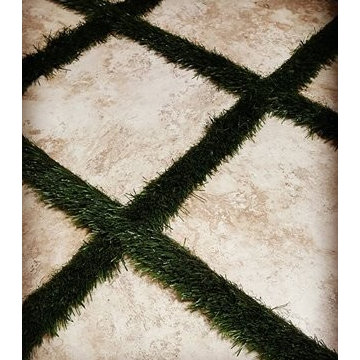
 Designer Megan's new floor #garden #cii #lattice #travertine #grass #coolestofficeever✌️ #outofthebox
Design ideas for a farmhouse landscaping in Austin.
Design ideas for a farmhouse landscaping in Austin.
Find the right local pro for your project

 Euro Home Decor
We carry over 300,000 wallpaper rolls in stock from the latest European designers.
Visit our Toronto showroom and choose from over 2000 designs.
EURO HOME DECOR
4309 Steeles Ave W. Toronto, ON M3N 1V7
(416) 638-1638
STORE HOURS
Monday - Friday 9:00 am – 6:00 pm
Saturday 11:00 am – 5:00 pm
Sunday Closed




 Buzdar
Ein erholsamer Schlaf ist essenziell für das Wohlbefinden und die Gesundheit. Eine harmonische Gestaltung des Schlafzimmers kann maßgeblich zur Erholung beitragen. Lassen Sie uns die besten Tipps für ein entspannendes Schlafzimmerdesign erkunden.
Das Schlafzimmer ist mehr als nur ein Ort zum Schlafen; es ist eine Oase der Erholung, die Ihr Wohlbefinden maßgeblich beeinflusst. Eine durchdachte Gestaltung des Schlafzimmers kann Ihre Schlafroutine erheblich verbessern und zu einem harmonischen Lebensstil beitragen. Möbel-Eins bietet Betten mit Top-Komfort, die dabei eine entscheidende Rolle spielen, da sie die Grundlage für gesundes Liegen bieten. Dabei stehen sie für zeitgemäße Einrichtungslösungen, die Funktionalität, Design und Alltagstauglichkeit miteinander verbinden. Das Unternehmen richtet sich an Menschen, die Wohnräume praktisch und zugleich individuell gestalten möchten. Gerade im Zusammenspiel von Wohnen, Arbeiten und Leben gewinnen solche ganzheitlichen Einrichtungslösungen zunehmend an Bedeutung.
In diesem Artikel erfahren Sie, wie Sie durch gezielte Designentscheidungen Ihr Schlafzimmer in eine beruhigende Rückzugsmöglichkeit verwandeln können. Zudem kann ein durchdachtes Schlafzimmerdesign das gesamte Ambiente Ihres Zuhauses positiv beeinflussen.
Die richtige Raumgestaltung für Entspannung
Eine ruhige Atmosphäre im Schlafzimmer beginnt mit der Wahl der richtigen Farben und Materialien. Sanfte, neutrale Töne wie Beige, Hellgrau oder Pastellfarben schaffen eine entspannte Umgebung, die den Geist beruhigt. Natürliche Materialien wie Holz oder Baumwolle verstärken diesen Effekt und tragen zur Harmonie bei. Indem Sie Unordnung vermeiden und Ihre Möbel strategisch anordnen, fördern Sie den Raumfluss und schaffen eine friedliche Atmosphäre. Harmonisch wird dieser Effekt, wenn alle Accessoires in Farbton und Material aufeinander abgestimmt sind.
Überlegen Sie sich, welche Möbelstücke wirklich notwendig sind, um den Raum nicht zu überladen. Ein minimalistischer Ansatz sorgt für mehr Platz und weniger visuelle Ablenkung. Durch die gezielte Auswahl von Möbeln, die Funktionalität und Ästhetik vereinen, wird Ihr Schlafzimmer zu einem Ort des Rückzugs. Achten Sie darauf, dass alle Elemente im Raum harmonisch miteinander interagieren, um ein Gefühl von Ruhe zu erzeugen. Harmonisch fügt sich ein minimalistischer Ansatz in Ihr Schlafzimmer ein, indem er visuelle Ruhe schafft.
Die Raumtemperatur und Luftqualität sind weitere wichtige Faktoren für eine optimale Schlafumgebung. Experten empfehlen eine Raumtemperatur zwischen 16 und 19 Grad Celsius für erholsamen Schlaf. Investieren Sie in atmungsaktive Vorhänge, die sowohl Licht abdunkeln als auch für eine gute Luftzirkulation sorgen. Durch regelmäßiges Lüften, besonders vor dem Schlafengehen, schaffen Sie ein frisches Raumklima, das die Schlafqualität deutlich verbessert. Die Kombination aus angenehmer Temperatur, guter Luftqualität und durchdachter Farbgestaltung bildet das Fundament für Ihre persönliche Wohlfühloase.
Bei der Raumaufteilung sollten Sie auch die Prinzipien des Feng Shui berücksichtigen, die seit Jahrhunderten für harmonische Wohnräume sorgen. Positionieren Sie Ihr Bett niemals direkt gegenüber der Tür oder unter einem Fenster, da dies den Energiefluss stören kann. Idealerweise steht das Bett mit dem Kopfteil an einer festen Wand, was Sicherheit und Geborgenheit vermittelt. Vermeiden Sie Spiegel, die das Bett direkt reflektieren, da diese unruhigen Schlaf fördern können. Durch die bewusste Platzierung von Möbeln und Accessoires schaffen Sie nicht nur eine ästhetisch ansprechende, sondern auch energetisch ausgewogene Schlafumgebung, die Ihre nächtliche Regeneration optimal unterstützt.
Komfort steigern mit dem richtigen Bett
Der Komfort Ihres Bettes ist entscheidend für Ihre Schlafqualität. Eine Matratze sollte Ihren Körper optimal unterstützen, um gesundes Liegen zu gewährleisten und Ihren Schlafkomfort zu verbessern. Wie beeinflusst die Matratze den Schlafkomfort? Die Antwort liegt in der richtigen Härtegradeinstellung und dem Material der Matratze, das sich Ihrem Körper perfekt anpasst. Ein stabiler Lattenrost unterstützt gesundes Liegen und fördert eine ergonomische Schlafposition.
Weiche Textilien wie kuschelige Decken und hochwertige Bettwäsche tragen ebenfalls zur Gemütlichkeit bei. Was wirkt im Schlafzimmer besonders gemütlich? Fließende Vorhänge oder Teppiche aus Naturmaterialien schaffen ein behagliches Ambiente. Indem Sie verschiedene Texturen kombinieren, wird Ihr Schlafzimmer zu einem einladenden Rückzugsort, in dem Sie sich rundum wohlfühlen können.
Die Wahl des richtigen Kopfkissens ist ebenso entscheidend wie die Matratze selbst. Verschiedene Schlafpositionen erfordern unterschiedliche Kissenhöhen und -härtegrade: Seitenschläfer benötigen ein höheres Kissen zur Stützung der Halswirbelsäule, während Rückenschläfer mit einem flacheren Modell besser beraten sind. Hochwertige Bettwäsche aus natürlichen Materialien wie Baumwolle, Leinen oder Seide reguliert die Körpertemperatur optimal und sorgt für ein angenehmes Hautgefühl. Investieren Sie in mehrere Garnituren, um je nach Jahreszeit zwischen kühlenden Sommerstoffen und wärmenden Wintermaterialien wechseln zu können. Diese Details machen den Unterschied zwischen gutem und exzellentem Schlafkomfort aus. Dadurch wird Ihre Schlafroutine zusätzlich gefördert.
Neben der Matratze spielt auch der Bettrahmen eine wichtige Rolle für Ihren Schlafkomfort und die Gesamtästhetik des Raumes. Massivholzbetten strahlen Natürlichkeit und Wärme aus, während Polsterbetten mit gepolstertem Kopfteil zusätzlichen Komfort beim Lesen oder Fernsehen bieten. Boxspringbetten kombinieren mehrere Federkernschichten für maximale Unterstützung und ein luxuriöses Liegegefühl. Achten Sie bei der Auswahl darauf, dass die Höhe des Bettes zu Ihrer Körpergröße passt – beim Sitzen sollten Ihre Füße bequem den Boden berühren. Moderne Bettgestelle mit integriertem Stauraum bieten praktische Lösungen für kleinere Schlafzimmer und helfen dabei, Ordnung zu halten, was wiederum zu einer ruhigeren Atmosphäre beiträgt.
Lichtgestaltung für eine beruhigende Umgebung
Die Beleuchtung spielt eine zentrale Rolle bei der Gestaltung eines entspannenden Schlafzimmers. Warmes, indirektes Licht sorgt für eine gemütliche Atmosphäre und hilft Ihnen, sich nach einem langen Tag zu entspannen. Verwenden Sie dimmbare Lampen oder Lichterketten, um die Helligkeit nach Bedarf anzupassen.
Neben künstlicher Beleuchtung sollten Sie auch das natürliche Licht optimal nutzen. Platzieren Sie Spiegel strategisch im Raum, um das Tageslicht zu reflektieren und den Raum heller erscheinen zu lassen. So entsteht ein harmonisches Zusammenspiel zwischen natürlichem und künstlichem Licht, das zu einer angenehmen Stimmung beiträgt.
Moderne Smart-Home-Technologie ermöglicht es, Ihre Beleuchtung noch präziser an Ihre Bedürfnisse anzupassen. Programmierbare LED-Systeme können den natürlichen Tageslichtverlauf simulieren und Sie morgens sanft mit allmählich heller werdendem Licht wecken. Abends sollten Sie blaues Licht vermeiden, da es die Produktion des Schlafhormons Melatonin hemmt. Setzen Sie stattdessen auf warmweiße Leuchtmittel mit niedriger Farbtemperatur. Leselampen am Bett sollten so positioniert sein, dass sie gezielt den Lesebereich beleuchten, ohne den Partner zu stören. Durch diese durchdachte Lichtplanung unterstützen Sie Ihren natürlichen Schlaf-Wach-Rhythmus optimal.
Natürliche Elemente für mehr Wohlbefinden
Pflanzen bringen nicht nur frische Luft ins Schlafzimmer, sondern fördern auch Ihr Wohlbefinden und Ihre Erholung. Wählen Sie Pflanzenarten aus, die wenig Pflege benötigen und trotzdem einen positiven Effekt auf die Luftqualität haben. Natürliche Materialien wie Rattan oder Leinen ergänzen diesen Look perfekt.
Die Pflege der Pflanzen sollte einfach in Ihre tägliche Routine integriert werden können. Kombinieren Sie große Zimmerpflanzen mit kleineren Gewächsen auf Regalen oder Fensterbänken, um den Raum lebendiger zu gestalten. Diese natürlichen Elemente tragen dazu bei, dass Ihr Schlafzimmerdesign nicht nur optisch ansprechend ist, sondern auch zur Steigerung Ihres Wohlbefindens beiträgt.
Besonders empfehlenswert für das Schlafzimmer sind Pflanzen wie Aloe Vera, Bogenhanf oder Einblatt, die nachts Sauerstoff produzieren und Schadstoffe aus der Luft filtern. Diese pflegeleichten Gewächse benötigen wenig Licht und Wasser, sind also ideal für den Schlafbereich geeignet. Ergänzen Sie die grünen Elemente mit natürlichen Dekorationsobjekten wie Treibholz, Steinen oder handgefertigten Keramikvasen, um eine organische Ästhetik zu schaffen. Ätherische Öle aus Lavendel, Kamille oder Sandelholz können in einem Diffusor verwendet werden, um eine beruhigende Duftatmosphäre zu erzeugen. Diese Kombination aus visuellen und olfaktorischen Naturerlebnissen schafft eine ganzheitliche Entspannungsumgebung, die alle Sinne anspricht.

 safe ZOnea
Every year, the same thing happens. The first real snowfall arrives, demand for de-icing materials spikes overnight, and the businesses that waited too long find themselves scrambling for supply at the worst possible moment. Facility managers, property owners, contractors, and municipalities all depend on a steady supply of salt and ice melt to keep their properties safe and operational through winter. The ones who plan ahead sail through. The ones who don't pay more, wait longer, and take on real risk.
Sourcing de-icing materials well is not complicated, but it does require thinking ahead and understanding the options. The choices you make about what to buy, how to buy it, and who to buy it from have a direct effect on your costs, your reliability, and your ability to keep people safe when conditions turn dangerous. This article lays out what matters.
Why Your Choice of Supplier Matters More Than You Think
It is easy to treat de-icing material as a commodity, something you grab whenever you need it without much thought about where it comes from. That works fine until the moment it doesn't, usually in the middle of a storm when everyone needs supply at once and the casual sources have run dry. At that point, the relationships you built before the season become the difference between staying stocked and being stuck.
Reliable supply is the whole game in winter operations. A property that runs out of ice melt during a storm faces safety hazards, liability exposure, and disruption, none of which can wait for a back-ordered shipment. This is why establishing relationships with dependable rock salt suppliers before the season starts is one of the smartest moves a facility manager or contractor can make. It locks in supply, often locks in better pricing, and removes a major source of mid-winter stress.
The lesson here is to treat sourcing as a planning decision rather than a last-minute errand. The businesses that come through winter smoothly are almost always the ones that secured their supply chain early, chose suppliers who could actually deliver when it counted, and never had to gamble on finding material during a shortage. Reliability bought in advance is far cheaper than scarcity paid for in a crisis.
Bagged or Bulk: Matching the Material to the Job
One of the first practical decisions is whether to buy de-icing material in bags or in bulk, and the right answer depends entirely on the operation. Each format has clear advantages, and many operations end up using both for different purposes.
Bagged material offers convenience, control, and easy storage. It is simple to handle, easy to distribute to different locations or crews, straightforward to store without special equipment, and convenient for spot application by hand. It suits smaller properties, businesses without bulk storage, and situations where portion control and tidiness matter. Bulk material, on the other hand, tends to make sense for large operations that go through high volumes, where buying in quantity lowers the per-unit cost and the operation has the equipment and space to store and handle it. The tradeoff is between the convenience and flexibility of bags and the volume economics of bulk.
For many operations, the right approach is a mix: bulk for the high-volume core of the work and bags for flexibility, spot treatment, and locations where bulk handling is impractical. The key is to match the format to how the material will actually be stored, moved, and applied, rather than defaulting to one or the other out of habit. Thinking this through in advance avoids both the waste of over-buying bulk you can't handle and the expense of relying entirely on bags for a large operation.
Rock Salt Is Not Your Only Option
Rock salt, or sodium chloride, is the workhorse of winter de-icing for good reason. It is effective, widely available, and cost-efficient, which makes it the default choice for most operations most of the time. But it has limits, and understanding the alternatives helps you choose the right material for the conditions you actually face.
The most important limitation is temperature. Rock salt becomes less effective as temperatures drop, and in genuinely cold conditions it can struggle to do the job at all. This is where alternatives come in. Calcium chloride, for instance, works at much lower temperatures than rock salt and acts quickly, which makes it valuable when conditions are severe or when fast melting matters. Operations that face hard freezes or need dependable performance in extreme cold often keep calcium chloride for sale on hand for exactly those situations, using it alongside rock salt rather than instead of it.
The practical approach is to understand the conditions your property faces and stock accordingly. For many operations, rock salt handles the bulk of the work while a faster, colder-rated material like calcium chloride covers the extreme days when ordinary salt falls short. Matching the material to the temperature and the urgency of the situation is what separates an operation that stays ahead of winter from one that is constantly reacting to it.
Securing Your Supply Before the Season
Knowing what to buy is only half the equation. The other half is making sure you can actually get it when you need it, which means securing your supply before winter arrives rather than after it has already started. Timing is one of the most underrated factors in winter operations.
The logic is simple. Demand for de-icing materials is highly seasonal and spikes sharply during storms, when everyone needs supply simultaneously. Prices and availability both move against the buyer at exactly those moments. By contrast, planning ahead, estimating your needs and arranging supply before the season, puts you in a far stronger position. Working with established rock salt suppliers ahead of time means your material is accounted for before the rush, often at better pricing and with the confidence that it will be there when the first storm hits.
This kind of planning also lets you think clearly rather than react under pressure. You can estimate your seasonal needs based on your property and past winters, decide on the right mix of materials and formats, and arrange storage in advance. Operations that do this consistently spend less, worry less, and never find themselves making frantic calls during a storm. The effort of planning ahead is modest, and the payoff in reliability and cost savings is substantial.
Storing and Handling What You Buy
Securing supply is not much use if the material degrades before you can use it, which makes proper storage and handling an important and often overlooked part of the equation. De-icing materials are sensitive to moisture, and poor storage can turn a good supply into a clumped, hardened mess that is difficult to apply.
The fundamentals are straightforward. Keep material dry and protected from moisture, since salt and ice melt readily absorb water and can harden if exposed. Store it in a way that suits the format, whether that means a proper bulk storage area or a dry space for stacked bags. Keep it accessible, so crews can get to it quickly when a storm hits and time is short. And handle it with the right equipment for the format and volume, which protects both the material and the people working with it. None of this is complicated, but neglecting it can undermine even a well-planned supply.
Good storage practices protect the investment you made in securing supply early. There is little point in arranging your materials ahead of the season only to have them degrade before use. Treating storage and handling as part of the overall plan, rather than an afterthought, ensures that the material you secured is actually usable when the moment comes. It is the final link in a supply chain built to perform under winter conditions.
Estimating How Much You Actually Need
One question trips up operations of every size: how much de-icing material to buy. Order too little and you risk running short during a storm. Order too much and you tie up money and storage space in material you may not use. Getting the estimate reasonably right is a meaningful part of sourcing well.
Several factors shape the answer. The size and type of the areas you treat, sidewalks, lots, entrances, and drive lanes, set the baseline for how much material each application consumes. The local climate matters too, since colder regions and those with frequent snowfall go through far more material than milder ones. Application frequency depends on how often storms hit and how quickly surfaces need to be cleared, which varies with the kind of property and the expectations of the people who use it. And the type of material plays a role, since different products are applied at different rates.
Past experience is often the best guide. Operations that track what they used in previous winters, adjusted for the size of the property and the severity of the season, can estimate their needs with reasonable confidence. For newer operations without that history, it helps to plan conservatively and to work with a supplier who can replenish stock reliably, so that a low estimate does not turn into a mid-storm shortage.
The goal is not perfect precision but a sound, slightly cautious estimate paired with a dependable supply relationship. That combination lets an operation keep enough material on hand to handle the season without over-committing to volume it cannot store or use. Thinking this through before winter, rather than guessing during it, is one more way that planning ahead pays off when the snow starts to fall.
The Bottom Line
Sourcing de-icing materials well comes down to a few straightforward principles: plan ahead, choose reliable suppliers before the season, match your materials and formats to your actual needs and conditions, and store what you buy properly. The operations that follow these principles move through winter with confidence, while those that improvise pay more and take on needless risk.
Winter is predictable in one respect: it arrives every year, and demand for de-icing material spikes the moment it does. The businesses that prepare for that reality, rather than being surprised by it, are the ones that keep their properties safe, their costs controlled, and their operations running no matter what the season throws at them. A little foresight before the first snowfall pays off through every storm that follows.
121