
Search results for "Lawn tools" in Home Design Ideas
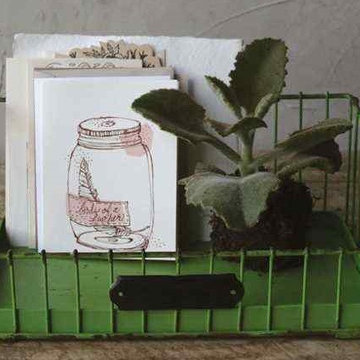
 Antique Farmhouse
This distressed green metal basket is a perfect spot to gather the things you need to keep close. Whether you toss your keys, phone & wallet in it or line up your most used spices or stack your favorite note cards, you'll be taking care of things in charming vintage style.
Made of distressed metal.
Dimensions: 12" x 8" x 5.5"H.


Find the right local pro for your project







Sponsored
Columbus, OH
Free consultation for landscape design!

Peabody Landscape Group
Columbus' Reliable Landscape Design & Contracting

 safe ZOnea
Maintaining a pest-free home requires attention throughout the year. Seasonal changes affect pest behavior, and understanding these patterns can save homeowners from costly damage and health hazards. In this guide, we will explore practical strategies for spring pest prevention tips, ensuring your property stays protected through every season. From spotting early signs to implementing proactive measures, these steps empower homeowners to take control before infestations occur.
Understanding Seasonal Pest Patterns
Pests adapt to changing weather, and knowing their patterns helps prevent infestations effectively.
Spring: Awakening Pests
Spring signals the end of winter dormancy for many pests. Rodents, ants, and termites start seeking food and warmth. Effective spring pest prevention tips include:
● Cleaning gutters and removing debris
● Sealing cracks and gaps in exterior walls
● Inspecting wood piles and compost areas
● Monitoring early signs of termite activity
Pro Tip: Conduct a termite inspection or a professional evaluation to catch infestations early before they spread.
Summer: Peak Pest Season
Warm temperatures accelerate pest breeding cycles. For a comprehensive summer pest prevention guide:
● Maintain lawns and trim vegetation away from homes
● Check window and door screens for tears
● Store food in sealed containers
● Inspect water sources that attract mosquitoes
Do You Know? Mosquitoes can lay eggs in a teaspoon of water. Eliminating stagnant water is crucial to reducing their population.
Fall: Preparing for Winter
As temperatures drop, pests search for warm indoor spaces. Key actions include:
● Inspecting for winter rodent entry points
● Sealing attic vents, crawl spaces, and foundation gaps
● Cleaning storage areas to minimize hiding spots
● Checking chimney and fireplace openings
Quick Fact: Rodents can enter homes through openings as small as ¼ inch.
Seasonal Pest Checklist for Homeowners
Creating a structured seasonal pest checklist simplifies preventive measures and ensures nothing is overlooked.
Season
Key Actions
Spring
Inspect for termites, seal exterior gaps, clean gutters, and check compost
Summer
Repair screens, trim vegetation, remove standing water, and secure food
Fall
Seal entry points, inspect attic/crawlspace, clear debris, and prepare storage
Winter
Monitor indoor activity, keep firewood away from walls, and maintain traps
Inspection & Maintenance Tips
● Schedule annual pest inspections by professional Virginia pest control consultation to detect hidden problems
● Keep a log of pest sightings and treatment dates
● Regularly replace weather stripping and caulk cracks
Note: Even small preventive steps, when consistently applied, drastically reduce infestations.
Common Pests and Their Seasonal Behaviors
Understanding how different pests behave each season helps homeowners take timely action to protect their property.
● Ants and Termites: Ants emerge in spring seeking food, while termites become active and can damage wood unnoticed. Early detection is critical.
● Rodents and Mice: Fall and winter increase rodent intrusions. Block all entry points and keep food sealed.
● Mosquitoes and Flies: Summer creates the ideal breeding environment for mosquitoes. Eliminate standing water and use physical barriers like nets.
● Spiders and Other Insects: Seasonal shifts cause spiders to move indoors. Regular vacuuming and decluttering reduce hiding spots.
Eco-Friendly Prevention Methods
● Use natural repellents like peppermint oil or diatomaceous earth
● Encourage beneficial insects, such as ladybugs, to reduce pest populations
● Plant pest-deterring plants near home boundaries, like marigolds or lavender
Integrated Pest Management (IPM)
Adopt an IPM approach by combining physical barriers, monitoring, and environmentally safe treatments. This minimizes chemical use while maintaining a pest-free home.
Quote: “Prevention is the most effective form of pest control.” – National Pest Management Association
Seasonal Pest Prevention Tools
● Snap traps and humane rodent traps
● Sticky traps for insects
● Outdoor perimeter sprays (eco-friendly)
● Moisture meters to detect early termite or mold problems
Pro Tip: Keep tools organized and accessible to act quickly when pest activity is noticed.
Planning: Annual Pest Calendar
Month
Recommended Action
March-April
Spring pest prevention tips: Inspect, seal, clean gutters
June-July
Summer pest prevention guide: Screens, standing water, food storage
September
Seasonal pest checklist: Seal entries, declutter, prep storage
November
Winter rodent entry points: Monitor indoors, maintain traps
Key Takeaways
● Seasonal awareness prevents infestations and property damage
● Consistent inspections and maintenance are essential
● Simple eco-friendly measures can significantly reduce pests
● Use a structured checklist and calendar for effective prevention
Conclusion
Homeowners who stay proactive and follow spring pest prevention tips, along with year-round monitoring, ensure their properties remain safe and comfortable. Using a summer pest prevention guide, checking winter rodent entry points, and maintaining a seasonal pest checklist ensure your home remains safe and comfortable. Remember to combine inspections, physical barriers, and environmentally friendly methods for the best results.
FAQs
Q1: How often should I perform a termite inspection?
A1: Conduct inspections annually, especially in spring, to detect early signs of termite activity and prevent extensive damage.
Q2: Can pests enter my home during winter?
A2: Yes, rodents and insects seek warmth and shelter indoors. Sealing entry points and monitoring for activity is crucial.
Q3: What is the most effective eco-friendly method for pest prevention?
A3: Using natural repellents, encouraging beneficial insects, and eliminating water sources effectively reduces pest populations without chemicals.
Ensure your home is ready for every season. Schedule a professional Virginia pest control consultation or a termite inspection in Suffolk, VA, today and stay ahead of potential infestations.

 STUDIO KONDE | Konrad Idaszewski Architect
Komfoo house interior designed by STUDIO KONDE Konrad Idaszewski Architekt, an interior architecture project from Poznań focused on creating a comfortable contemporary home with a strong sense of warmth and carefully balanced proportions. Visit the full project: https://conde.pl/portfolio/gotowy-projekt-wnetrz-domu-komfoo/ As part of the Modelowedomy collection of three individually configurable houses, Komfoo offers a high living room with a mezzanine, while the kitchen and dining area are separated from the living space by a functional furniture wall, creating distinct zones while preserving the spacious character of the home.
This living room combines natural timber, soft neutral upholstery and carefully selected architectural details to create a warm and sophisticated interior. Generous glazing, a high vaulted ceiling and a freestanding wood-burning stove give the space a distinctive character, while the restrained palette of beige, cream, taupe and warm wood keeps the composition calm and cohesive.
A generous U-shaped sectional sofa upholstered in light beige fabric occupies the main seating zone, with deep cushions and broad chaise sections creating an inviting arrangement for relaxation. Several large cushions in matching neutral tones soften the substantial form of the sofa, while loosely folded throws add texture and a more relaxed residential character. In front of the seating, two overlapping round coffee tables introduce a contrasting dark element, with smooth black tops set on vertically fluted cylindrical bases.
The seating arrangement rests on a large woven rug with a pronounced looped texture and a subtle geometric pattern. Its warm cream and beige tones complement the light timber flooring and visually gather the sofa and coffee tables into a defined lounge area. A small stack of books on one of the tables provides a discreet everyday detail, while the dark furniture creates a clear contrast against the predominantly light interior.
One of the strongest features of the room is the fireplace zone positioned along the left-hand wall. A freestanding black wood-burning stove sits on a large light-coloured hearth, with the visible flames introducing a warm glow and a lively accent to the otherwise restrained interior. Beside it, a minimalist black metal log holder displays neatly stacked firewood, while slender fireplace tools stand nearby. The tall black flue rises from the stove towards the ceiling, emphasizing the impressive height of the living room.
Behind the fireplace, the wall is covered with narrow vertical white slats that create a finely textured surface and reinforce the room's vertical proportions. Above, the pitched ceiling is finished with large natural timber panels framed by visible wooden beams, bringing warmth and a subtle reference to the architecture of the house. The combination of ribbed wall cladding and exposed timber overhead creates a distinctive backdrop for the fireplace and seating area.
Full-height glazing occupies much of the rear façade, opening the living room towards the garden and filling the interior with soft daylight. Sheer vertical blinds filter the light across the windows, while long taupe-grey curtains frame the glazing and add depth to the neutral palette. Mature trees, lawn and a white garden fence are visible outside, providing a natural backdrop to the warm interior.
Suspended within the high ceiling volume, a simple cylindrical pendant adds a soft architectural lighting element above the seating area. Its clean white form remains deliberately understated against the timber structure and textured wall surfaces. Through the combination of the vaulted ceiling, natural wood, ribbed wall finish, sculptural coffee tables, generous sectional sofa and freestanding fireplace, the Komfoo living room achieves a comfortable and refined character that reflects the interior architecture approach of STUDIO KONDE and its work as an interior architect in Poznań.



92