
Search results for "Powdery mildew" in Home Design Ideas


 Proven Winners
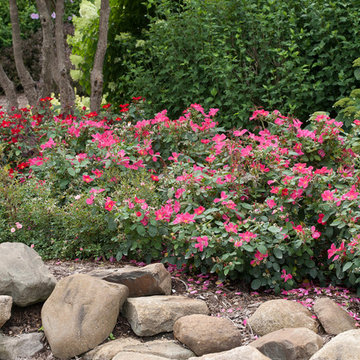
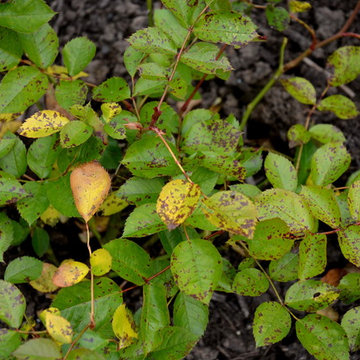
Home Run Pink is makes rose gardening easy with high levels of resistance to black spot and powdery mildew, along with heat tolerance. 3.5-4' (1-1.3 m) tall and wide. Full sun. USDA Zones 4-9.
Find the right local pro for your project

 Jackie and the Beanstalk
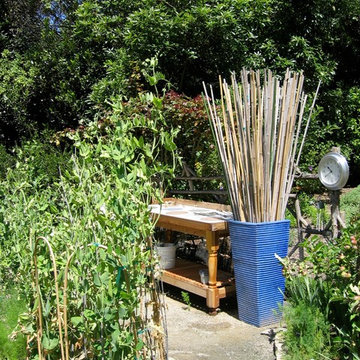
Stakes used for tomatoes and other heavy crops are attractively stored in a beautiful blue urn, which complements the Soleri tiles embedded in the potting bench. Bamboo hoops are holding back the sugar snap peas.
 Urbafloria
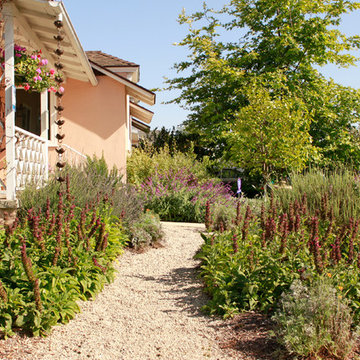
This California native plant front yard is Certified Ocean Friendly, Certified Wildlife Habitat, has been featured on the Mar Vista Green Garden Showcase. Salvia spathacea, or hummingbird sage lines either side of the path. There is also Salvia leucantha (purple), a small Persimmon tree and large Sycamore tree in this photo. Grape vine on porch has not leafed out yet. Rain chain instead of down spout is decorative and functional. This installation was partially funded by a turf removal rebate. --Jacky Surber
 Sweet Smiling Landscape Design
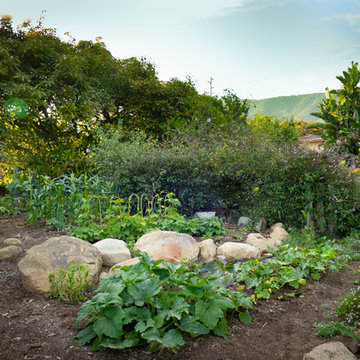
Edible landscaping encompasses much more then adding some veggie beds to one’s property. Creative layouts and material usage can incorporate year-round vegetable harvests in an aesthetically pleasing way. Perennial fruit trees, along with bushes and herbs, create a lush space full of beautiful, colors, textures, smells and tastes. Searching out and experimenting with different and rare varieties of edible plants keeps home gardens interesting. Edible landscaping gives access to food at its freshest, when it is most nutritious, and offers many more options than supermarket produce sections—also cutting down on transportation and packaging impacts. From edible estates to food forests, or simple integration of garden-based food production, Sweet Smiling Landscapes has the knowledge and experience to help home owners harvest their own bounty.

 Proven Winners
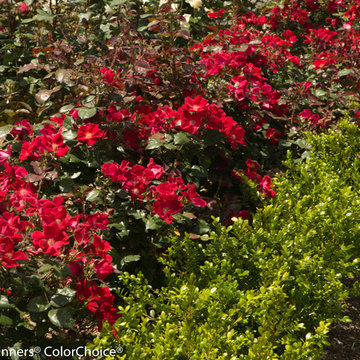
Home Run rose has top level resistance to both black spot and powdery mildew. Plus it's heat tolerant, cold hardy, and requires no deadheading. 3.5-4' (1-1.5 m) tall and wide. Full sun. USDA Zones 4-9.
 kmjee
kmjeePepper plants are a delightful addition to any garden, offering a vibrant burst of color and spice to your culinary creations. However, even experienced gardeners can encounter challenges when growing pepper plants. In this blog, we'll explore some common issues you might face and provide practical solutions to help your pepper plants thrive.
1. Slow or Stunted Growth
Issue: Slow or stunted growth in pepper plants can be discouraging, but there are specific steps you can take to address this issue effectively.
Solution:
a. Soil Health:
- Well-Draining Soil: Ensure your pepper plants are in well-draining soil to prevent waterlogged roots, which can inhibit growth.
- Organic Matter: Incorporate plenty of organic matter, such as compost or well-rotted manure, into the soil to improve its texture and nutrient content.
- pH Level: Test the soil pH and adjust it to the ideal range between 6.0 and 6.8 using lime or sulfur as needed.
b. Fertilization:
- Balanced Fertilizer: Use a balanced, slow-release fertilizer designed for vegetables to provide essential nutrients steadily throughout the growing season.
- Compost: Amend the soil with compost to enhance nutrient availability and soil structure. This can promote healthier growth.
c. Watering:
- Consistent Moisture: Maintain consistent soil moisture levels by watering your pepper plants regularly but avoid waterlogging. Aim for 1-2 inches of water per week, adjusting based on your local climate and weather conditions.
- Mulching: Apply mulch around the base of the plants to retain soil moisture and regulate temperature.
2. Yellowing Leaves
Issue: Yellowing leaves can be a sign of various underlying problems, but addressing them promptly can restore the vibrancy of your pepper plants.
Solution:
a. Nutrient Deficiencies:
- Balanced Fertilization: Use a well-balanced fertilizer that includes micronutrients to address nutrient deficiencies.
- Specific Nutrients: If you suspect a particular deficiency, such as magnesium, iron, or nitrogen, apply the appropriate nutrient supplement following package instructions.
b. Pest and Disease Control:
- Pest Inspection: Regularly inspect the leaves and stems for common pests like aphids and mites. Remove affected leaves and treat with organic pesticides if necessary.
- Disease Management: Look out for signs of diseases like bacterial leaf spot or fungal issues. Apply organic fungicides or bactericides as recommended.
3. Blossom Drop
Issue: When pepper plants drop their blossoms prematurely, it can hinder fruit development and lead to disappointment.
Solution:
a. Temperature Control:
- Stable Temperatures: Ensure your pepper plants are exposed to consistent temperatures between 70°F and 80°F (21°C to 27°C) during flowering. Avoid sudden temperature fluctuations by providing shelter or using row covers.
b. Pollination:
- Assist with Pollination: If growing peppers indoors or in a greenhouse, help with pollination by gently shaking the plants or using a small brush to transfer pollen between flowers. Outdoor pepper plants are usually pollinated by insects.
4. Wilting Plants
Issue: Wilting or drooping pepper plants can be a sign of various problems, but proper care can revive them.
Solution:
a. Watering:
- Consistent Moisture: Adjust your watering routine to keep the soil consistently moist but not waterlogged. Water early in the day to prevent fungal issues.
- Drainage: Ensure proper soil drainage by amending the soil or using raised beds to prevent waterlogged roots.
b. Pest Control:
- Pest Inspection: Examine the undersides of leaves for signs of pests like aphids, spider mites, or whiteflies. Treat infestations promptly with biological insecticides.
5. Curling Leaves
Issue: Curling or misshapen leaves indicate stress in pepper plants, which can be caused by various factors.
Solution:
a. Environmental Stress:
- Stable Conditions: Ensure your pepper plants are in an environment with stable humidity, temperature, and adequate air circulation. Avoid sudden changes in conditions.
- Proper Ventilation: Adequate air circulation can reduce humidity and prevent fungal issues.
b. Pest and Disease Management:
- Pest Inspection: Regularly inspect your plants for pests and diseases, addressing them promptly with organic remedies as needed.
6. Sunscald
Issue: Sunscald can lead to discolored, leathery patches on pepper fruits when exposed to intense sunlight.
Solution:
a. Shade Cloth:
- Sun Protection: Shield your pepper plants from harsh sunlight during the hottest part of the day using shade cloth or by planting them where they receive some filtered sunlight.
b. Pruning:
- Fruit Shading: Prune excess foliage to allow better fruit shading, reducing the risk of sunscald. Ensure that there's a balance between foliage and fruit.
7. Pepper Plant Pests and Diseases
Issue: Aphids, mites, whiteflies, and various diseases can affect pepper plants, but you can manage them effectively.
Solution:
a. Regular Inspection:
- Vigilant Monitoring: Regularly inspect your pepper plants for signs of pests or diseases, paying close attention to the undersides of leaves and stems.
b. Organic Remedies:
- Pest Control: Use organic remedies like neem oil, insecticidal soap, or diatomaceous earth for pest control.
- Disease Management: Apply organic fungicides or bactericides as recommended to manage diseases like powdery mildew or bacterial spot.
While growing pepper plants can present various challenges, these common issues are manageable with the right knowledge and care. Regular monitoring, proper soil preparation, and timely intervention can help you enjoy a bountiful harvest of vibrant, spicy peppers. Remember that gardening is a learning experience, and each challenge you face is an opportunity to improve your skills and enjoy the rewards of homegrown peppers in your favorite dishes.

 Treeland Nursery
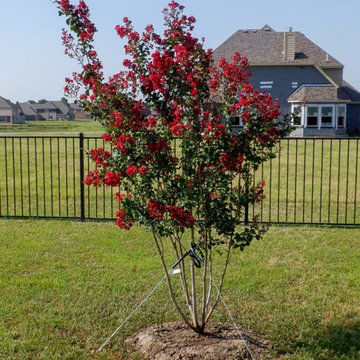
Scarlets have also shown a higher resistance to powdery mildew and more cold heartiness than Dynamite and Red Rocket.

 Treeland Nursery
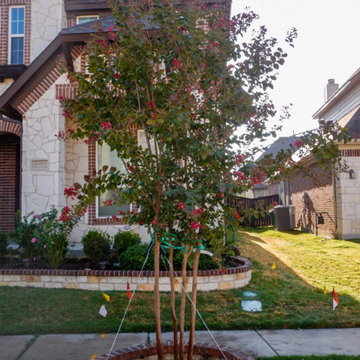
The Red Rocket Crape Myrtle is adaptable to a wide range of soil types, very drought tolerant and has a high resistance to powdery mildew and anthracnose.
 Treeland Nursery
Scarlets have also shown a higher resistance to powdery mildew and more cold heartiness than Dynamite and Red Rocket.
Design ideas for a landscaping in Dallas.
Design ideas for a landscaping in Dallas.
1