
Search results for "Proven tips" in Home Design Ideas

 Basil + Tate
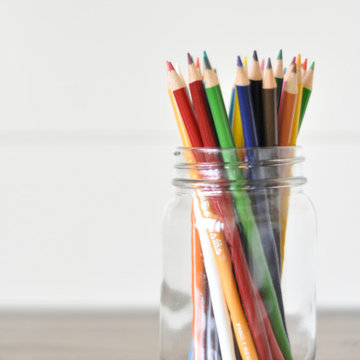
Our team recently put the finishing touches on a new space at the Nowicki Project, and we can’t wait to show you around. This modern home office was built for our client’s two kiddos to use now, but designed for them to grow into. We created a functional kid-friendly space with elevated style and accessories for the adults to appreciate, too.
 Sagiper North America
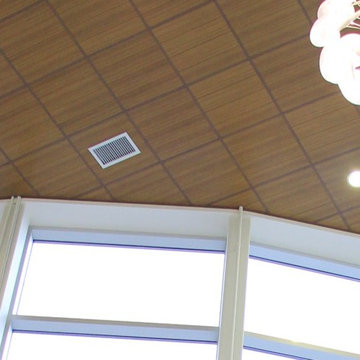
For this application SAGIREV REF #11 Pine Zebrawood planks, in 6” width profile, were cut down to 2’ lengths and then backed with adhesive to flat lay-in mineral fiber ceiling tiles. The newly formed ceiling panels were then dropped into a t-bar suspension grid system to allow for access to the above electrical and mechanical. The t-bar grid was also painted to match the Pine Zebrawood finish and the finished product is stunning…
Find the right local pro for your project

 LBK Design Build
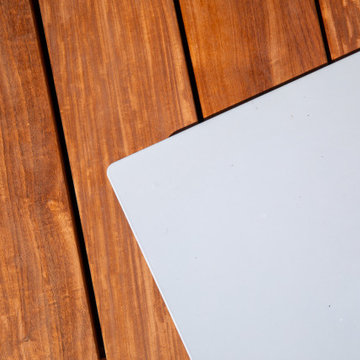
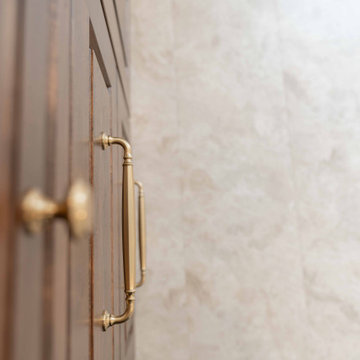
The goal of this primary bathroom remodel was to replace the dated finishes and fixtures while improving the layout, storage, and everyday function of the space. The design introduces a larger custom vanity, dedicated makeup area, updated shower, improved lighting, and more built-in storage. Existing doors, the large bathroom window, and the water closet location were retained to keep the scope focused on the areas that needed the most improvement.




 Windy City Painters
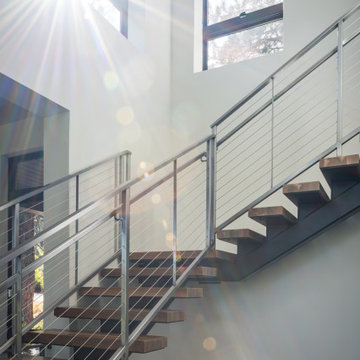
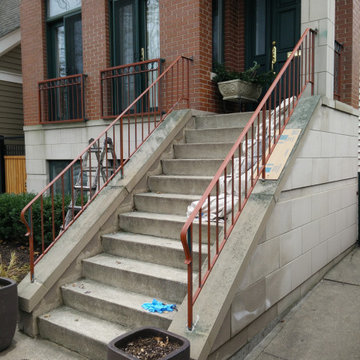
This Gold Coast porch required comprehensive metal refinishing to restore beauty and prevent structural rust damage. The homeowner noticed rust bleeding through existing paint on decorative railings and support posts—a common problem in Chicago after harsh winters. Windy City Painters assessed the damage, stripped everything to bare metal, and applied industrial-grade protection designed for freeze-thaw climates. The result: railings that look new and won't rust again for years.
MATERIALS AND PRODUCTS
Windy City Painters uses only proven products for Chicago's metal challenges. RustDestroyer rust-converting primer chemically bonds to bare steel, converting any remaining rust molecules into a stable base. Sherwin-Williams Corothane Aliphatic Urethane provides superior adhesion and UV resistance compared to standard enamels. Two topcoats ensure maximum durability against road salt spray and freeze-thaw stress. This combination is the North American standard for metal exposed to harsh seasonal climates.
THE PROCESS
Step 1: Wire wheel attachment on a drill removes all loose paint, rust scale, and oxidation down to bare metal. We work methodically to avoid gouging, checking progress frequently. Bare metal is essential—no primer bonds properly over paint or rust. This step typically takes 2-3 hours depending on rail complexity and surface area.
Step 2: Apply RustDestroyer rust-converting primer in a single coat, following manufacturer specs for dry time and coverage. The primer chemically converts any remaining ferrous oxide into a stable compound, then dries to a dark gray or burgundy base. This base is then sealed by the topcoat. Dry time is 24 hours before topcoat application.
Step 3: First coat of Sherwin-Williams Corothane Aliphatic Urethane, applied with a quality brush or roller. Corothane levels beautifully and resists sagging better than traditional polyurethane. We maintain temperature and humidity control during application—critical for proper cure. Tack-free time is 4 hours; full cure requires 7 days.
Step 4: Second topcoat applied after the first coat fully cures. Two coats provide redundant protection against UV fading, moisture penetration, and mechanical wear. The second coat also fills any micro-voids and creates a seamless, glossy finish. Final inspection confirms even color, smooth surface, and no drips or sags.
CHICAGO-SPECIFIC CHALLENGES
North Side and Gold Coast porches face unique stressors. Road salt spray from De-Icing—not ocean salt—deposits chlorides on every metal surface. Winter freeze-thaw cycles force moisture into tiny cracks, expanding and contracting metal, stressing paint adhesion. Spring humidity and Lake Michigan microclimate variations accelerate oxidation. Summer UV radiation fades standard enamels rapidly. Windy City Painters' two-coat Corothane system is engineered for exactly these conditions. The aliphatic urethane resists UV and moisture far better than acrylic-latex or oil-based paints.
WHAT TO EXPECT LONG-TERM
Proper refinishing delivers 5-7 years of reliable protection in Chicago's harsh environment. You'll notice no rust bleeding, no paint lifting, and no color fading within 3-4 years. Minor weathering may appear after year 5-6 if rails face direct salt spray. Routine maintenance—rinsing railings after winter thaw, checking for debris—extends the finish lifespan. Windy City Painters recommends annual inspection of porches facing north or lakeside, where salt and moisture exposure is heaviest.
PRO TIPS
1. Never paint over existing rust. The rust will continue expanding beneath the new paint, lifting and cracking it within months. Windy City Painters always strips to bare metal—it costs more upfront but prevents costly repainting.
2. Time your refinishing for spring or early summer. Corothane requires stable temperatures (50-85°F) and low humidity for optimal cure. Chicago's May through August window is ideal. Fall and winter refinishing risks slow cure and poor adhesion.
3. Inspect end grain, fasteners, and joint areas carefully. These spots collect moisture and corrode first. Windy City Painters applies extra primer attention to crevices and seams.
FAQ
Q: How is Corothane different from Rust-Oleum or other spray paints? A: Corothane is a professional two-part polyurethane with superior hardness, adhesion, and UV resistance. Spray paints are single-stage and fade quickly. Windy City Painters uses Corothane because it's built for architectural metal in harsh climates.
Q: Can you refinish ornamental iron railings on two-flats? A: Yes. Windy City Painters regularly refinishes cast-iron railings on Gold Coast greystones and North Side two-flats. The process is identical—strip, prime with RustDestroyer, topcoat with Corothane.
Q: My railings have been painted many times. Will one wire-wheeling remove all layers? A: We wire wheel aggressively to remove all loose paint and rust. Thin paint layers that are well-adhered can stay if bare metal is exposed beneath. We always reach bare metal in crevices and end grain.
Q: Do I need to prep my porch before Windy City Painters arrives? A: No. We bring all equipment and clean up afterward. Just ensure we have access to electrical outlets and clear floor space around railings.
Q: How long until I can pressure wash my railings after finishing? A: Wait at least 2 weeks. Corothane continues cross-linking and hardening for 7 days. Pressure washing sooner may damage the finish.
Q: What if my railings show rust again within a year? A: Proper application with bare metal prep and two topcoats prevents this. If rust appears, it indicates either prep failure or damage during installation. Contact Windy City Painters immediately for assessment.
Q: Can Corothane be tinted to match my porch trim exactly? A: Sherwin-Williams offers hundreds of colorants. Bring a paint chip or sample, and we'll tint Corothane to your specification.
Q: Is the smell strong during application? A: Corothane has moderate VOC and requires ventilation. Smell dissipates within 24 hours of finishing. Windy City Painters opens windows and positions fans for rapid air exchange.
Q: What if I want a matte finish instead of glossy? A: Corothane comes in gloss, satin, and flat sheens. Matte finishes show dust more readily but suit certain architectural styles. Discuss preference with Windy City Painters during the estimate.
Q: Do you serve Gold Coast and North Side equally? A: Yes. Windy City Painters operates throughout Chicago's north shore. Travel time is built into estimates, but pricing is consistent across neighborhoods.
Contact Windy City Painters at windypainters.com or 773-818-6331 for a free metal refinishing estimate.
 Windy City Painters
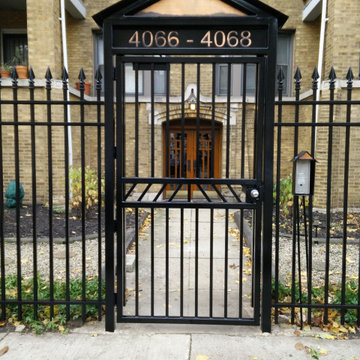
This West Town porch had suffered years of Chicago's harshest conditions. Road salt from winter streets, freeze-thaw cycles that crack metal bonds, and Lake Michigan humidity had transformed the iron railings into a rust catastrophe. The homeowner called Windy City Painters because they knew surface-level repainting wouldn't hold. We delivered a complete restoration using industrial-grade products and techniques that Chicago demands. The transformation took precision, the right chemistry, and an understanding of how brutal our climate actually is.
MATERIALS AND PRODUCTS
Windy City Painters selected RustDestroyer rust-converting primer as the foundation. This product chemically bonds to rust particles, converting them into a stable surface rather than simply covering them. The topcoat is Sherwin-Williams Corothane Aliphatic Urethane, specifically chosen because aliphatic urethanes resist yellowing, maintain flexibility in Chicago's temperature extremes, and provide superior weather resistance. We use 220-grit sandpaper between coats, stainless steel wire wheels for rust removal, and two full coats of finish. No shortcuts. No budget brands that fail in freeze-thaw cycles.
THE PROCESS
Step 1: Wire Wheel to Bare Metal (45 words)
We attached a stainless steel wire wheel to our equipment and removed every flake of loose rust and paint. This isn't cosmetic—it eliminates the corrosion source entirely. Rust spreads beneath paint. By going to bare metal, we stopped the problem at its root. Chicago's salt exposure demands this aggressive approach.
Step 2: Apply RustDestroyer Rust-Converting Primer (48 words)
After the surface was clean, we applied RustDestroyer according to spec. This primer chemically converts remaining rust particles into a protective layer, then bonds everything together. It's the critical bridge between corroded metal and lasting finish. One coat of RustDestroyer on bare metal creates the stable foundation that allows Corothane to perform properly throughout Chicago's cycles.
Step 3: Sand and Inspect Between Coats (42 words)
Once the primer cured, we lightly sanded with 220-grit paper. This step seems small but matters enormously—it removes dust, smooths any drips, and ensures perfect adhesion for the topcoat. We inspected every inch for missed spots. Chicago's humidity can trap moisture under topcoat if prep is rushed.
Step 4: Apply Two Coats of Corothane Topcoat (50 words)
We applied the first coat of Sherwin-Williams Corothane Aliphatic Urethane evenly, let it cure fully, then applied the second coat. Two coats guarantee coverage and durability. One coat thins under Chicago's sun and freeze-thaw stress. Corothane's flexibility is crucial—it moves with the metal as temperatures swing 50+ degrees in a single day.
CHICAGO-SPECIFIC CHALLENGES
West Town sits blocks from Lake Michigan. Humidity here is relentless. Winter brings road salt that penetrates every micro-gap in paint. Spring freeze-thaw cycles expand and contract iron, cracking weak coatings. Summer sun accelerates UV breakdown. Fall brings moisture creep before freezing begins again. Generic paints fail fast. Windy City Painters uses products engineered for this exact climate. RustDestroyer stops the chemical source of rust. Corothane's aliphatic formula resists yellowing under UV while maintaining the flexibility that stops cracking. The two-coat system ensures thickness that protects through all four seasons.
WHAT TO EXPECT LONG-TERM
With proper application and two coats of Corothane, this porch should remain rust-free and attractive for 7-10 years. This assumes normal Chicago weather exposure and no damage from impact or intentional scratching. Homeowners should rinse salt off railings after heavy winter storms and inspect annually for any paint cracks. Windy City Painters stands behind our work. If you see rust appearing in year 3 or 4, something failed—and we'll address it. This level of confidence comes from using the right products and proper technique.
PRO TIPS
1. Never paint over rust. If your railing shows orange or flaking, wire-wheel it first. Windy City Painters refuses shortcuts that fail.
2. Timing matters. Paint in spring or early fall when humidity is lower and temperatures are stable. Avoid summer heat and winter moisture.
3. Inspect annually. Catch paint cracks before rust starts underneath. A small touch-up now prevents a full restoration later.
Contact Windy City Painters at windypainters.com or 773-818-6331 for your free estimate.
FAQS
Q: Why is Corothane better than cheaper urethanes? A: Aliphatic urethanes resist UV yellowing and maintain flexibility in extreme temperature swings. Chicago needs flexible protection, not brittle coatings that crack.
Q: How do I know if my railing needs wire-wheeling? A: If you see rust flakes, discoloration, or pitting, wire-wheeling is essential. Windy City Painters inspects free and explains exactly what's needed.
Q: Can you paint over old paint if it's not rusted? A: Sometimes, but we always inspect. If the old paint is loose or the metal beneath shows any corrosion, we start over with wire-wheeling.
Q: What's the cost difference between one coat and two? A: Two coats cost more upfront but last 7-10 years versus 3-4 years with one coat. Windy City Painters recommends the investment.
Q: How do I protect my railing between professional paintings? A: Rinse salt off after winter storms, keep paint clean, and report any cracks immediately. Prevention beats restoration.
Q: Does RustDestroyer work on all metal? A: It works on iron, steel, and rust-prone alloys. Windy City Painters uses it exclusively for rust conversion because it's proven.
Q: Why do West Town homes rust faster than other neighborhoods? A: Proximity to Lake Michigan increases humidity. Combined with road salt, the freeze-thaw cycles hit West Town and River West harder than inland areas.
Q: Can I apply Corothane myself? A: Technically yes, but surface prep (wire-wheeling and RustDestroyer application) is where most DIYers fail. Windy City Painters handles this correctly.
Q: How often should I repaint my porch? A: Every 7-10 years with proper two-coat application. If you see rust sooner, the original prep was insufficient.
Q: What neighborhoods does Windy City Painters serve? A: We serve West Town, River West, and all of Chicago. Call 773-818-6331 for your area.
78