
Search results for "Sustainable tourism" in Home Design Ideas
 Envision Web
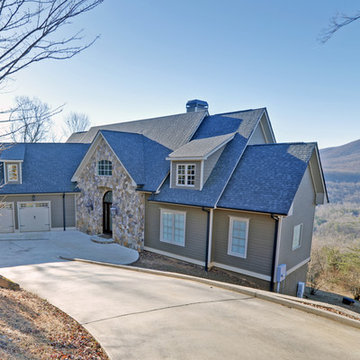
Twin magnificent and historic valleys – named according to lore and legend for two star crossed lovers of warring Native American tribes - make up the unincorporated area of White County that has become a pivot point for the arts, activism, community and preservation. The Sautee and Nacoochee Valleys – both listed on the National Register of Historic Places – are primarily the naturally occurring, lowland landscape punctuated by the sites and assets that give the area its vibrant character. Even the mapping department in White County asserts that Sautee Nacoochee defies definitive boundaries as pride of place has propelled innovative expansion.
Dedicated to Preserving and Protecting
Although Sautee Nacoochee lacks conventional city government, clearly the "mayor" of this hamlet is the Sautee Nacoochee Community Association, a non-profit organization dedicated to preserving and protecting the region and to nurturing the creativity that thrives here. The Association maintains the Sautee Nacoochee Center, a restored red brick schoolhouse, that is home to dual galleries, a history museum showcasing Cherokee heritage, gold strikes, timber and railroads, the Folk Pottery Museum of Northeast Georgia, art and dance studios, a heritage site and nature preserve, an intimate theater, an environmental studies room and a conference and special event facility. The Community Association was instrumental in establishing the official Historic Districts and brought acclaim to Sautee Nacoochee by securing its nomination as one of “The 100 Best Small Arts Towns in America.”
Arts programming, among other endeavors, remains one of the Center’s most valuable community resources. In addition to fostering children’s activities in music, dance, theatre and visual arts, the Center hosts the 50 member Sautee Nacoochee Community Chorale, art studio workshops, speaker luncheons for seniors, gallery exhibits, Contra dances, feature films, sustainable living forums and Open Stage nights. The Center’s six week long SummerFest is highlighted by the home grown folk life play, Headwaters, now in its fourth season, which serves as an unvarnished Valentine to and about the people, places and perceptions that shape the Valleys, and is consistently ranked as a Top 20 Event by the Southeastern Tourism Society.
 Envision Web
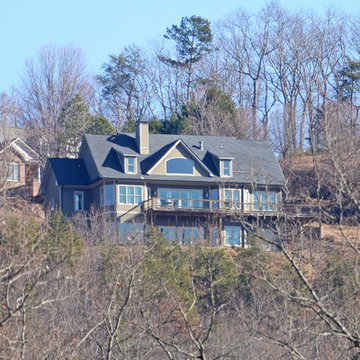
Twin magnificent and historic valleys – named according to lore and legend for two star crossed lovers of warring Native American tribes - make up the unincorporated area of White County that has become a pivot point for the arts, activism, community and preservation. The Sautee and Nacoochee Valleys – both listed on the National Register of Historic Places – are primarily the naturally occurring, lowland landscape punctuated by the sites and assets that give the area its vibrant character. Even the mapping department in White County asserts that Sautee Nacoochee defies definitive boundaries as pride of place has propelled innovative expansion.
Dedicated to Preserving and Protecting
Although Sautee Nacoochee lacks conventional city government, clearly the "mayor" of this hamlet is the Sautee Nacoochee Community Association, a non-profit organization dedicated to preserving and protecting the region and to nurturing the creativity that thrives here. The Association maintains the Sautee Nacoochee Center, a restored red brick schoolhouse, that is home to dual galleries, a history museum showcasing Cherokee heritage, gold strikes, timber and railroads, the Folk Pottery Museum of Northeast Georgia, art and dance studios, a heritage site and nature preserve, an intimate theater, an environmental studies room and a conference and special event facility. The Community Association was instrumental in establishing the official Historic Districts and brought acclaim to Sautee Nacoochee by securing its nomination as one of “The 100 Best Small Arts Towns in America.”
Arts programming, among other endeavors, remains one of the Center’s most valuable community resources. In addition to fostering children’s activities in music, dance, theatre and visual arts, the Center hosts the 50 member Sautee Nacoochee Community Chorale, art studio workshops, speaker luncheons for seniors, gallery exhibits, Contra dances, feature films, sustainable living forums and Open Stage nights. The Center’s six week long SummerFest is highlighted by the home grown folk life play, Headwaters, now in its fourth season, which serves as an unvarnished Valentine to and about the people, places and perceptions that shape the Valleys, and is consistently ranked as a Top 20 Event by the Southeastern Tourism Society.
 Envision Web
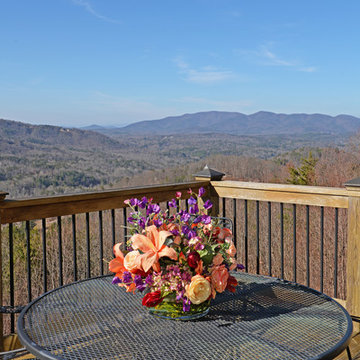
Twin magnificent and historic valleys – named according to lore and legend for two star crossed lovers of warring Native American tribes - make up the unincorporated area of White County that has become a pivot point for the arts, activism, community and preservation. The Sautee and Nacoochee Valleys – both listed on the National Register of Historic Places – are primarily the naturally occurring, lowland landscape punctuated by the sites and assets that give the area its vibrant character. Even the mapping department in White County asserts that Sautee Nacoochee defies definitive boundaries as pride of place has propelled innovative expansion.
Dedicated to Preserving and Protecting
Although Sautee Nacoochee lacks conventional city government, clearly the "mayor" of this hamlet is the Sautee Nacoochee Community Association, a non-profit organization dedicated to preserving and protecting the region and to nurturing the creativity that thrives here. The Association maintains the Sautee Nacoochee Center, a restored red brick schoolhouse, that is home to dual galleries, a history museum showcasing Cherokee heritage, gold strikes, timber and railroads, the Folk Pottery Museum of Northeast Georgia, art and dance studios, a heritage site and nature preserve, an intimate theater, an environmental studies room and a conference and special event facility. The Community Association was instrumental in establishing the official Historic Districts and brought acclaim to Sautee Nacoochee by securing its nomination as one of “The 100 Best Small Arts Towns in America.”
Arts programming, among other endeavors, remains one of the Center’s most valuable community resources. In addition to fostering children’s activities in music, dance, theatre and visual arts, the Center hosts the 50 member Sautee Nacoochee Community Chorale, art studio workshops, speaker luncheons for seniors, gallery exhibits, Contra dances, feature films, sustainable living forums and Open Stage nights. The Center’s six week long SummerFest is highlighted by the home grown folk life play, Headwaters, now in its fourth season, which serves as an unvarnished Valentine to and about the people, places and perceptions that shape the Valleys, and is consistently ranked as a Top 20 Event by the Southeastern Tourism Society.
Find the right local pro for your project

Sponsored
Columbus, OH
Free consultation for landscape design!

Peabody Landscape Group
Columbus' Reliable Landscape Design & Contracting
 Envision Web
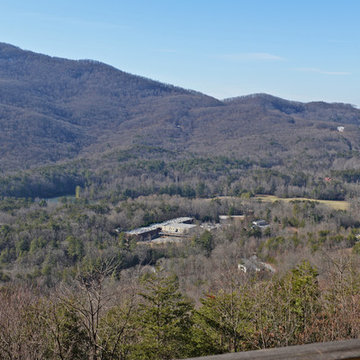
Twin magnificent and historic valleys – named according to lore and legend for two star crossed lovers of warring Native American tribes - make up the unincorporated area of White County that has become a pivot point for the arts, activism, community and preservation. The Sautee and Nacoochee Valleys – both listed on the National Register of Historic Places – are primarily the naturally occurring, lowland landscape punctuated by the sites and assets that give the area its vibrant character. Even the mapping department in White County asserts that Sautee Nacoochee defies definitive boundaries as pride of place has propelled innovative expansion.
Dedicated to Preserving and Protecting
Although Sautee Nacoochee lacks conventional city government, clearly the "mayor" of this hamlet is the Sautee Nacoochee Community Association, a non-profit organization dedicated to preserving and protecting the region and to nurturing the creativity that thrives here. The Association maintains the Sautee Nacoochee Center, a restored red brick schoolhouse, that is home to dual galleries, a history museum showcasing Cherokee heritage, gold strikes, timber and railroads, the Folk Pottery Museum of Northeast Georgia, art and dance studios, a heritage site and nature preserve, an intimate theater, an environmental studies room and a conference and special event facility. The Community Association was instrumental in establishing the official Historic Districts and brought acclaim to Sautee Nacoochee by securing its nomination as one of “The 100 Best Small Arts Towns in America.”
Arts programming, among other endeavors, remains one of the Center’s most valuable community resources. In addition to fostering children’s activities in music, dance, theatre and visual arts, the Center hosts the 50 member Sautee Nacoochee Community Chorale, art studio workshops, speaker luncheons for seniors, gallery exhibits, Contra dances, feature films, sustainable living forums and Open Stage nights. The Center’s six week long SummerFest is highlighted by the home grown folk life play, Headwaters, now in its fourth season, which serves as an unvarnished Valentine to and about the people, places and perceptions that shape the Valleys, and is consistently ranked as a Top 20 Event by the Southeastern Tourism Society.

 Adar Moy
Travel is more than just the act of going from one place to another; it’s an exploration of new perspectives, cultures, and experiences. Whether you’re a seasoned globetrotter or a first-time adventurer, the journey holds the power to change you in unexpected ways. Exoticca Helps a lot to Travel.
1. Embrace the Journey, Not Just the Destination
Too often, we focus on reaching the destination, ticking off items on our travel bucket list. But some of the most memorable moments in travel happen when we slow down and engage with the world around us. Take time to walk through a bustling market, share a meal with a local family, or simply sit on a beach at sunset. These moments allow us to experience the true essence of a place beyond its landmarks.
2. Travel with Purpose
In today’s fast-paced world, many travelers are seeking deeper, more meaningful experiences. Whether it’s volunteering in a foreign country, participating in eco-tourism, or learning a new skill, travel can be a gateway to personal growth. Traveling with purpose adds value to your journey and ensures that it impacts not only you but the places you visit. Volunteering in a community, helping preserve nature, or supporting local artisans can leave you with a sense of accomplishment and connection to the world.
3. The Magic of Cultural Immersion
One of the best ways to travel is to truly immerse yourself in the culture of the place you’re visiting. Skip the tourist traps and spend time in local neighborhoods. Try the street food, learn a few words in the local language, and embrace local traditions. The more you engage with the culture, the richer your experience will be. This immersion leads to a greater understanding and respect for different ways of life, fostering deeper connections between people across the globe.
4. Sustainable Travel: A Responsibility for the Future
As travelers, we must recognize the impact our journeys can have on the environment. Sustainable travel practices are becoming more essential than ever before. From reducing plastic usage to supporting eco-friendly accommodations, there are many ways to ensure that our travels leave a positive legacy. Before your trip, research sustainable activities, respect wildlife, and consider how your visit affects local ecosystems. This mindset not only protects the planet but enhances your overall travel experience by aligning it with a purpose.
5. Travel Challenges: Growth Through Adversity
It’s not always smooth sailing. Missed flights, language barriers, unexpected weather, or cultural misunderstandings can make travel seem daunting. However, these challenges can also offer some of the most rewarding experiences. Overcoming adversity while traveling encourages adaptability, patience, and resilience. These moments allow you to connect more deeply with yourself and the world, turning what could be a frustrating experience into an unforgettable lesson in growth.
6. Rediscovering Yourself Through Travel
The act of leaving behind your daily routine and exploring new places often leads to self-reflection. Away from the distractions of everyday life, you have space to reconnect with yourself. Whether it’s finding peace in nature, discovering a new passion, or challenging your comfort zone, travel is a powerful tool for self-discovery. Many travelers report feeling more energized, inspired, and aware of their true desires after a meaningful journey.
7. Tips for a Seamless Travel Experience
To make the most of your travels, planning is key. Here are a few tips for a smooth and enjoyable journey:
Research your destination: Learn about the local culture, customs, and etiquette to show respect and avoid misunderstandings.
Pack smart: Pack light and include only essentials to keep your travels stress-free. A good travel bag and comfortable shoes are a must!
Stay flexible: Sometimes, plans go awry. Stay adaptable and be open to spontaneous adventures.
Engage with locals: The best recommendations often come from those who live in the area. Don't be afraid to ask for tips or hidden gems.
Capture memories: While it’s important to live in the moment, capturing photos or journaling your experiences can help you relive your journey long after it ends.
8. The Future of Travel: Trends to Watch
As we look to the future, the way we travel is evolving. Virtual reality and AI are changing the way we plan and experience destinations, allowing for more personalized and immersive adventures. Moreover, the rise of wellness travel is focusing on mental and physical health, with more travelers seeking destinations that offer relaxation and rejuvenation. Regardless of how travel continues to evolve, the spirit of discovery and connection will always remain at the heart of every journey.
Conclusion: Traveling for a Better World
Travel is a transformative experience that connects us to the world, broadens our understanding, and enriches our lives. By approaching travel with an open mind, a sense of responsibility, and a desire for authentic experiences, we not only enhance our journeys but contribute to the global community. As you pack your bags for your next adventure, remember that every step you take is an opportunity to learn, grow, and contribute to a more interconnected world.
 Cafeina Design
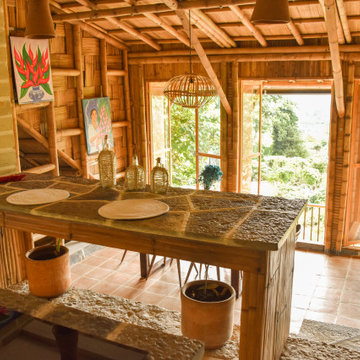
Yolseuiloyan: Nahuatl word that means "the place where the heart rests and strengthens." The project is a sustainable eco-tourism complex of 43 cabins, located in the Sierra Norte de Puebla, Surrounded by a misty forest ecosystem, in an area adjacent to Cuetzalan del Progreso’s downtown, a magical place with indigenous roots.
The cabins integrate bio-constructive local elements in order to favor the local economy, and at the same time to reduce the negative environmental impact of new construction; for this purpose, the chosen materials were bamboo panels and structure, adobe walls made from local soil, and limestone extracted from the site. The selection of materials are also suitable for the humid climate of Cuetzalan, and help to maintain a mild temperature in the interior, thanks to the material properties and the implementation of bioclimatic design strategies.
For the architectural design, a traditional house typology, with a contemporary feel was chosen to integrate with the local natural context, and at the same time to promote a unique warm natural atmosphere in connection with its surroundings, with the aim to transport the user into a calm relaxed atmosphere, full of local tradition that respects the community and the environment.
The interior design process integrated accessories made by local artisans who incorporate the use of textiles and ceramics, bamboo and wooden furniture, and local clay, thus expressing a part of their culture through the use of local materials.
 Cafeina Design
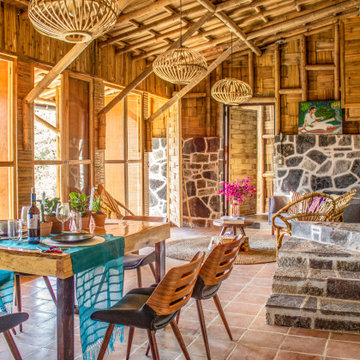
Yolseuiloyan: Nahuatl word that means "the place where the heart rests and strengthens." The project is a sustainable eco-tourism complex of 43 cabins, located in the Sierra Norte de Puebla, Surrounded by a misty forest ecosystem, in an area adjacent to Cuetzalan del Progreso’s downtown, a magical place with indigenous roots.
The cabins integrate bio-constructive local elements in order to favor the local economy, and at the same time to reduce the negative environmental impact of new construction; for this purpose, the chosen materials were bamboo panels and structure, adobe walls made from local soil, and limestone extracted from the site. The selection of materials are also suitable for the humid climate of Cuetzalan, and help to maintain a mild temperature in the interior, thanks to the material properties and the implementation of bioclimatic design strategies.
For the architectural design, a traditional house typology, with a contemporary feel was chosen to integrate with the local natural context, and at the same time to promote a unique warm natural atmosphere in connection with its surroundings, with the aim to transport the user into a calm relaxed atmosphere, full of local tradition that respects the community and the environment.
The interior design process integrated accessories made by local artisans who incorporate the use of textiles and ceramics, bamboo and wooden furniture, and local clay, thus expressing a part of their culture through the use of local materials.
 Cafeina Design
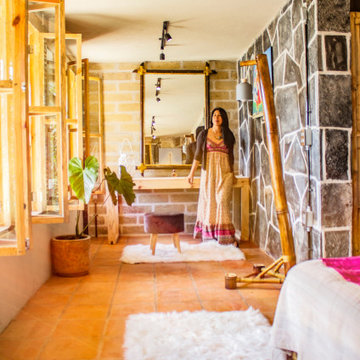
Yolseuiloyan: Nahuatl word that means "the place where the heart rests and strengthens." The project is a sustainable eco-tourism complex of 43 cabins, located in the Sierra Norte de Puebla, Surrounded by a misty forest ecosystem, in an area adjacent to Cuetzalan del Progreso’s downtown, a magical place with indigenous roots.
The cabins integrate bio-constructive local elements in order to favor the local economy, and at the same time to reduce the negative environmental impact of new construction; for this purpose, the chosen materials were bamboo panels and structure, adobe walls made from local soil, and limestone extracted from the site. The selection of materials are also suitable for the humid climate of Cuetzalan, and help to maintain a mild temperature in the interior, thanks to the material properties and the implementation of bioclimatic design strategies.
For the architectural design, a traditional house typology, with a contemporary feel was chosen to integrate with the local natural context, and at the same time to promote a unique warm natural atmosphere in connection with its surroundings, with the aim to transport the user into a calm relaxed atmosphere, full of local tradition that respects the community and the environment.
The interior design process integrated accessories made by local artisans who incorporate the use of textiles and ceramics, bamboo and wooden furniture, and local clay, thus expressing a part of their culture through the use of local materials.
 Cafeina Design
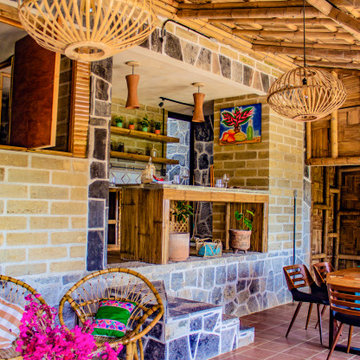
Yolseuiloyan: Nahuatl word that means "the place where the heart rests and strengthens." The project is a sustainable eco-tourism complex of 43 cabins, located in the Sierra Norte de Puebla, Surrounded by a misty forest ecosystem, in an area adjacent to Cuetzalan del Progreso’s downtown, a magical place with indigenous roots.
The cabins integrate bio-constructive local elements in order to favor the local economy, and at the same time to reduce the negative environmental impact of new construction; for this purpose, the chosen materials were bamboo panels and structure, adobe walls made from local soil, and limestone extracted from the site. The selection of materials are also suitable for the humid climate of Cuetzalan, and help to maintain a mild temperature in the interior, thanks to the material properties and the implementation of bioclimatic design strategies.
For the architectural design, a traditional house typology, with a contemporary feel was chosen to integrate with the local natural context, and at the same time to promote a unique warm natural atmosphere in connection with its surroundings, with the aim to transport the user into a calm relaxed atmosphere, full of local tradition that respects the community and the environment.
The interior design process integrated accessories made by local artisans who incorporate the use of textiles and ceramics, bamboo and wooden furniture, and local clay, thus expressing a part of their culture through the use of local materials.
Sponsored
Columbus, OH
Free consultation for landscape design!
Peabody Landscape Group
Columbus' Reliable Landscape Design & Contracting
 Cafeina Design
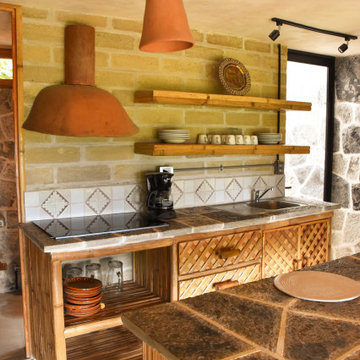
Yolseuiloyan: Nahuatl word that means "the place where the heart rests and strengthens." The project is a sustainable eco-tourism complex of 43 cabins, located in the Sierra Norte de Puebla, Surrounded by a misty forest ecosystem, in an area adjacent to Cuetzalan del Progreso’s downtown, a magical place with indigenous roots.
The cabins integrate bio-constructive local elements in order to favor the local economy, and at the same time to reduce the negative environmental impact of new construction; for this purpose, the chosen materials were bamboo panels and structure, adobe walls made from local soil, and limestone extracted from the site. The selection of materials are also suitable for the humid climate of Cuetzalan, and help to maintain a mild temperature in the interior, thanks to the material properties and the implementation of bioclimatic design strategies.
For the architectural design, a traditional house typology, with a contemporary feel was chosen to integrate with the local natural context, and at the same time to promote a unique warm natural atmosphere in connection with its surroundings, with the aim to transport the user into a calm relaxed atmosphere, full of local tradition that respects the community and the environment.
The interior design process integrated accessories made by local artisans who incorporate the use of textiles and ceramics, bamboo and wooden furniture, and local clay, thus expressing a part of their culture through the use of local materials.
 Cafeina Design
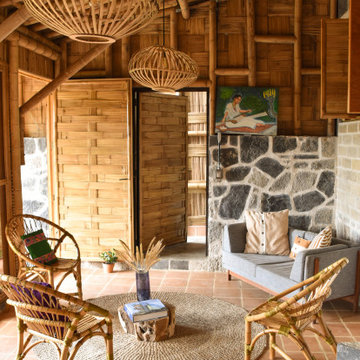
Yolseuiloyan: Nahuatl word that means "the place where the heart rests and strengthens." The project is a sustainable eco-tourism complex of 43 cabins, located in the Sierra Norte de Puebla, Surrounded by a misty forest ecosystem, in an area adjacent to Cuetzalan del Progreso’s downtown, a magical place with indigenous roots.
The cabins integrate bio-constructive local elements in order to favor the local economy, and at the same time to reduce the negative environmental impact of new construction; for this purpose, the chosen materials were bamboo panels and structure, adobe walls made from local soil, and limestone extracted from the site. The selection of materials are also suitable for the humid climate of Cuetzalan, and help to maintain a mild temperature in the interior, thanks to the material properties and the implementation of bioclimatic design strategies.
For the architectural design, a traditional house typology, with a contemporary feel was chosen to integrate with the local natural context, and at the same time to promote a unique warm natural atmosphere in connection with its surroundings, with the aim to transport the user into a calm relaxed atmosphere, full of local tradition that respects the community and the environment.
The interior design process integrated accessories made by local artisans who incorporate the use of textiles and ceramics, bamboo and wooden furniture, and local clay, thus expressing a part of their culture through the use of local materials.
 Cafeina Design
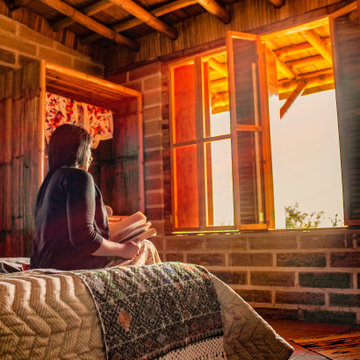
Yolseuiloyan: Nahuatl word that means "the place where the heart rests and strengthens." The project is a sustainable eco-tourism complex of 43 cabins, located in the Sierra Norte de Puebla, Surrounded by a misty forest ecosystem, in an area adjacent to Cuetzalan del Progreso’s downtown, a magical place with indigenous roots.
The cabins integrate bio-constructive local elements in order to favor the local economy, and at the same time to reduce the negative environmental impact of new construction; for this purpose, the chosen materials were bamboo panels and structure, adobe walls made from local soil, and limestone extracted from the site. The selection of materials are also suitable for the humid climate of Cuetzalan, and help to maintain a mild temperature in the interior, thanks to the material properties and the implementation of bioclimatic design strategies.
For the architectural design, a traditional house typology, with a contemporary feel was chosen to integrate with the local natural context, and at the same time to promote a unique warm natural atmosphere in connection with its surroundings, with the aim to transport the user into a calm relaxed atmosphere, full of local tradition that respects the community and the environment.
The interior design process integrated accessories made by local artisans who incorporate the use of textiles and ceramics, bamboo and wooden furniture, and local clay, thus expressing a part of their culture through the use of local materials.
 Cafeina Design
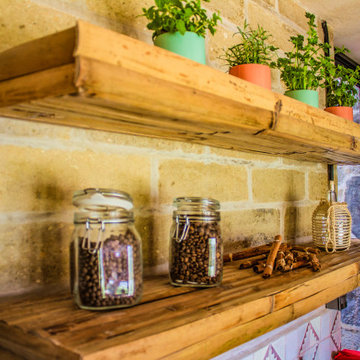
Yolseuiloyan: Nahuatl word that means "the place where the heart rests and strengthens." The project is a sustainable eco-tourism complex of 43 cabins, located in the Sierra Norte de Puebla, Surrounded by a misty forest ecosystem, in an area adjacent to Cuetzalan del Progreso’s downtown, a magical place with indigenous roots.
The cabins integrate bio-constructive local elements in order to favor the local economy, and at the same time to reduce the negative environmental impact of new construction; for this purpose, the chosen materials were bamboo panels and structure, adobe walls made from local soil, and limestone extracted from the site. The selection of materials are also suitable for the humid climate of Cuetzalan, and help to maintain a mild temperature in the interior, thanks to the material properties and the implementation of bioclimatic design strategies.
For the architectural design, a traditional house typology, with a contemporary feel was chosen to integrate with the local natural context, and at the same time to promote a unique warm natural atmosphere in connection with its surroundings, with the aim to transport the user into a calm relaxed atmosphere, full of local tradition that respects the community and the environment.
The interior design process integrated accessories made by local artisans who incorporate the use of textiles and ceramics, bamboo and wooden furniture, and local clay, thus expressing a part of their culture through the use of local materials.
 Cafeina Design
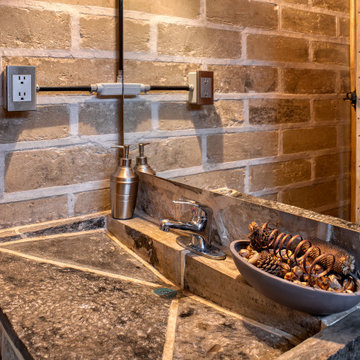
Yolseuiloyan: Nahuatl word that means "the place where the heart rests and strengthens." The project is a sustainable eco-tourism complex of 43 cabins, located in the Sierra Norte de Puebla, Surrounded by a misty forest ecosystem, in an area adjacent to Cuetzalan del Progreso’s downtown, a magical place with indigenous roots.
The cabins integrate bio-constructive local elements in order to favor the local economy, and at the same time to reduce the negative environmental impact of new construction; for this purpose, the chosen materials were bamboo panels and structure, adobe walls made from local soil, and limestone extracted from the site. The selection of materials are also suitable for the humid climate of Cuetzalan, and help to maintain a mild temperature in the interior, thanks to the material properties and the implementation of bioclimatic design strategies.
For the architectural design, a traditional house typology, with a contemporary feel was chosen to integrate with the local natural context, and at the same time to promote a unique warm natural atmosphere in connection with its surroundings, with the aim to transport the user into a calm relaxed atmosphere, full of local tradition that respects the community and the environment.
The interior design process integrated accessories made by local artisans who incorporate the use of textiles and ceramics, bamboo and wooden furniture, and local clay, thus expressing a part of their culture through the use of local materials.
 Cafeina Design
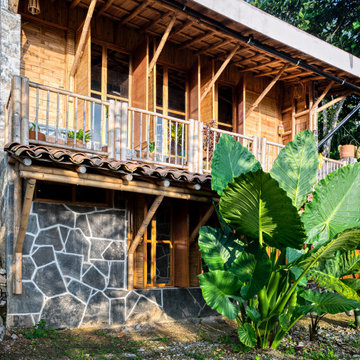
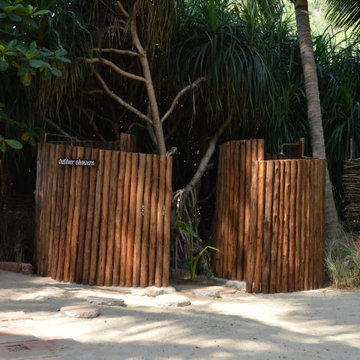
Yolseuiloyan: Nahuatl word that means "the place where the heart rests and strengthens." The project is a sustainable eco-tourism complex of 43 cabins, located in the Sierra Norte de Puebla, Surrounded by a misty forest ecosystem, in an area adjacent to Cuetzalan del Progreso’s downtown, a magical place with indigenous roots.
The cabins integrate bio-constructive local elements in order to favor the local economy, and at the same time to reduce the negative environmental impact of new construction; for this purpose, the chosen materials were bamboo panels and structure, adobe walls made from local soil, and limestone extracted from the site. The selection of materials are also suitable for the humid climate of Cuetzalan, and help to maintain a mild temperature in the interior, thanks to the material properties and the implementation of bioclimatic design strategies.
For the architectural design, a traditional house typology, with a contemporary feel was chosen to integrate with the local natural context, and at the same time to promote a unique warm natural atmosphere in connection with its surroundings, with the aim to transport the user into a calm relaxed atmosphere, full of local tradition that respects the community and the environment.
The interior design process integrated accessories made by local artisans who incorporate the use of textiles and ceramics, bamboo and wooden furniture, and local clay, thus expressing a part of their culture through the use of local materials.

1