
Search results for "Tree care" in Home Design Ideas
 Five Star Tree Care
Trees and shrubs are a big part of our local environment. Some are intended to bear fruit, while others are there simply for aesthetics. Of course, some trees are planted to help conserve the environment, and some started to grow on their own. Regardless, there are many facts about trees that you may not know. Five Star Tree Services has put together a list of a few of those facts that you may find surprising!
Trees Live Longer Than Anything Else
Of all living things, trees can survive the longest on this earth. Some species of trees can survive for several thousands of years. For example, the baobab tree can thrive for thousands of years after it has reached maturity.
Trees Have a Godly Connection
There are many religions in the world, and in some, it is a common belief that certain trees are homes to the gods. Many of these older traditions and beliefs are currently less prevalent, but there has always been a strong connection between trees and deities.
Cottonwood Seeds Stay Airborne for Days
Most trees reproduce via seeds. While most tree seeds fall to the ground, or are carried off by animals, the cottonwood tree seed flies through the air for days before landing.
Trees Promote Rainfall
Mature trees take moisture from the ground and release it into the atmosphere. This then triggers precipitation. The result is more rain in the area where trees are abundant. The best way to prevent or derail desertification is by planting trees in an area.
There are Tree Genders
This may seem like a sound bite for likes and shares, but some trees have gendered scientific classifications. There are both male and female trees. One great example is the pine tree. The female trees produce seeds in the pine cones, while the male trees shed pollen from their cones to fertilize the female cones. The wind makes the magic happen, which results in a bevy of baby pine cone trees.
The Rings Show Its Age
Very few methods exist for pinning down the age of a tree. Carbon dating is a complex method of ageing a tree, but you can also count the rings on a cut tree to determine its age. We don’t suggest you cut down a tree just to count the rings, though!
Certain Tree Parts Grow Seasonally
Unlike people, trees grow in separated sections. The trunk will grow in the summer, while the foliage will thrive in the spring. The roots tend to spread during the fall and winter when the rest of the tree is dormant.
Trees Have Their Own Self-Defense Methods
If a tree is invaded by insects, it will flood its leaves with phenolics chemicals. This is a compound that discourages insects from eating their foliage. The tree also sends off signals to other trees about the attack so that they can prepare their defenses as well.
How We Can Help
Here at Five Star Tree Services, we’re passionate about what we do. Our team provides high-quality and affordable tree care and maintenance, including pruning and tree removal services in Toronto. If you require help with the trees on your property or have any questions for our experts, give us a call at (416) 990-3355.
 Five Star Tree Care
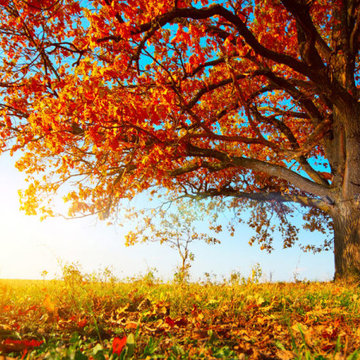
Oak trees have been a symbol of strength for a long time. They are also known to live for a very long time, given the right conditions. The reason they became a symbol of strength is because they themselves are very strong and are able to survive some of the harshest storms, when healthy. The wood it produces is undoubtedly very strong as well and is commonly used in the making of furniture, homes, and boats.
Oak trees are not only used for their strong wood, but also for their beauty. There are even certain species that produce distinctive lobed leaves, allowing them to stand out. Then, when fall comes around, they become even more majestic when their leaves turn bright and brilliant colours that add texture and a unique spectacle to the changing environment.
The beauty is so amazing that you might even want one for your own yard. Our team here at Five Star Tree Services is going to go over a few different types of oak trees that might be perfect for your landscape! These are guaranteed to have spectacular fall colours, great shade, and amazing texture.
Different Types of Oaks
You might be interested to know that oaks are one of the oldest trees in the world. Archeologists have been able to date them back to around 65 million years ago. A healthy oak can even live to about 200-300 years old. But do you know where these big trees come from? Little tiny acorns. A single oak tree is able to produce roughly 10 million acorns over the course of its lifetime.
Not only are oak trees beneficial to people but they are also great for animals. They are able to support more than 500 moth and butterfly species, which is more than other native trees can do. Insects also like to find homes in oak trees, which helps to feed the birds. Not to mention that small animals like squirrels also can utilize them for things like food, shade, and shelter. They also help larger animals, such as the white-tailed deer, who eats the acorns during the fall and winter season, which is about 75% of their diets.
Around the world, you can find more than 600 species of oak trees. Let’s go over a small handful of our favourites that are great for providing dazzling colourful displays during the fall months, when the leaves change colours. These are going to range from bronzes, to golds, to reds, and everything in between.
Black Oak
It might be apparent that the name comes from the outward appearance from the almost black bark that you see, along with the deep orange or yellow inner bark of the tree. Being quite a statement tree, you can enjoy the green glossy leaves in the summer and then enjoy them again then they turn orange and red in the fall. This tree has a tendency to look very similar to a red oak, but one of the major differences is that black oaks are a little smaller and are able to tolerate drier soil conditions.
Specifications:
-Growing Zones: 3-9
-Sun Tolerance: Full sun, which can equate to 6 hours of uninterrupted sunlight each day
-Soil: Needs slightly acidic, well-drained, and rich soil
-Growing height: 50-60 feet
White Oak
This oak tree is great for shade and can easily be spotted by the light colour of its bark. During the spring, it comes out with pinkish leaves that later on turn to dark green. The leaves of this tree are 4-9 inches long, have 7-9 lobes, and turn reddish-brown in the fall.
Specifications:
-Growing Zone: 3-9
-Sun Tolerance: Full sun, which can equate to 6 hours of uninterrupted sunlight each day
-Soil: Needs to be planted in well drained and slightly acidic soil
-Growing Height: 80 feet
Red Oak
This oak doesn’t have its name for nothing. It offers the brightest red leaves out of all the oak trees. In the fall, the leaves turn a beautiful deep red. During the summer, it has glossy green leaves and an open canopy. This is a widely adaptable tree and it also grows much faster than other oaks.
Specifications:
-Growing Zone: 3-9
-Sun Tolerance: Full sun, which can equate to 6 hours of uninterrupted sunlight each day
-Soil: Needs to be plated in slightly acidic, moist, but well-drained soil
-Growing Height: 50-75 feet
Bur Oak
One of the defining features of this tree is that it has unique acorns. They are larger than other trees and are fringed. It grows in a round shape that is dense with leaves, offering lovely shade and is able to tolerate heat stress and pollution. In the fall the leaves of this oak tree can turn either yellow/green, muted yellow, or yellow/brown.
Specifications:
-Growing Zones: 3-8
-Sun Tolerance: Full sun, which can equate to 6 hours of uninterrupted sunlight each day
-Soil: Needs neutral to alkaline soil
-Growing Height: 60-80 feet
Pin Oak
Typically found along rivers in eastern and central US, this oak tree’s unique feature is its distinctive branching pattern. It has large leaves that are pointed with sweeping U-shaped spaces between lobes. The leaves in the fall turn a scarlet red and eventually become bronze later in the fall.
Specifications:
-Growing Zone: 4-8
-Sun Tolerance: Full sun, which can equate to 6 hours of uninterrupted sunlight each day
-Soil: Needs slightly acidic soil. Can tolerate wet and heavy clay soils
-Growing Height: 60-70 feet
Live Oak
These are not usually super tall but they do have winding and spiraling branches which have the ability to grow into a massive diameter, larger than other oak trees, and this helps to provide a large area of shade. Another special thing about this particular type of tree is that it is the only evergreen, not a deciduous tree like the rest. This specific oak tree is one of the strongest and was used in colonial times for making ships in the US Navy. The glossy leathery leaves on this tree are 1-3 inches long and are dark green with lighter green underneath, which lasts during the entire winter.
Specifications:
-Growing Zone: 8-11
-Sun Tolerance: Full sun, which can equate to 6 hours of uninterrupted sunlight each day
-Soil: Needs to be planted in slightly acidic soil
-Growing Height: 40-80 feet
How Five Star Tree Services Can Help
Whether you are looking for the best oak tree for your yard or any other tree, our professionals here at Five Star Tree Services can help! With our wide variety of services, we can help you with all your tree care services in Richmond Hill! Give us a call today at (416) 990-3355!
 Five Star Tree Care
In today’s society, people are used to things happening instantaneously, and they expect everything to happen at a fairly fast pace. However, when dealing with things like trees, there is no rushing mother nature and the natural growth process. If you are wanting your yard to instantly look the exact way you want it; lush and full, you might not be willing to wait and make your decisions based on what can grow the fastest in order to get your desired look of the end result. If you do this, you can potentially be selling yourself short on all the beautiful trees that are slower-growing. There are both pros and cons to slow-growing and fast-growing trees. We here at Five Star Tree Services would like to offer to take a look at the different growth rates of trees and help you understand what is best for your yard.
Tree Growth Rate Calculation
Tree growth rate can generally be calculated in a few different ways.
Continuously measure the stem diameter, crown spread, and height over time.
Measure the elongation of shoots annually. You can do this by finding the bud scars on the branch tips and measuring between them.
Average growth rate can be calculated by taking the change in size and dividing it by the elapsed time to date.
Fast Growing VS Moderate and Slow Growing- How to Choose?
There are different factors that go into why people choose certain trees, this could be due to wanting a quick privacy fence, or because of the colours, or their flowers, or the amount of shade they offer. There are advantages and disadvantages you need to think about before you go and only plant fast-growing trees.
Slow Growing Trees
Slow Tree Growth Rate- 12 inches or less every year. These trees end up being stronger than other trees for overall structure and strength. Since they are slow growing, these trees can end up living for more than 100 years, given the right growing conditions. You will also find that they can resist/have better defenses against things like disease and insects, as well as having stronger wood. Some examples are White Oak and Rocky Mountain Douglas Fir.
Moderate Growing Trees
Moderate Tree Growth Rate-13 – 24 inches every year. These trees usually have very similar traits to slow growing trees. Some examples are Sugar Maple, Coast Douglas Fir, and American Sweetgum.
Fast Growing Trees
Fast Tree Growth Rate- 25 inches or more every year. These trees do not typically live as long as the other trees due to them being weaker from growing so fast. An example is the Arborvitae “Green Giant”.
Reasons To Avoid Fast-Growing Trees
The unfortunate truth about these kinds of trees is that they tend to get more diseases and root rot than the other trees. Which brings us back to the point where you shouldn’t only buy a tree because it grows fast, especially since they have shorter life spans.
It is always a good idea to have a balance of plant life in your yard. Too much of one thing will throw off the balance, you don’t want all fast-growing trees simply because you wish to fill out your yard. This will only set you up for failure down the road. Not to mention you will need to spend more money on replacing them when they die sooner, as opposed to long living trees.
How Five Star Tree Service Can Help
Picking the right trees for your yard can take time. Balance is always good and even if you want everything to look perfect right away, you can’t sustain this if all you use are fast-growing trees. Let our team at Five Star Tree Service help you pick the best trees for your property! Our experts can offer you all the Toronto Tree Care you will need. Give us a call today at (416) 990-3355!
Find the right local pro for your project
 Five Star Tree Care
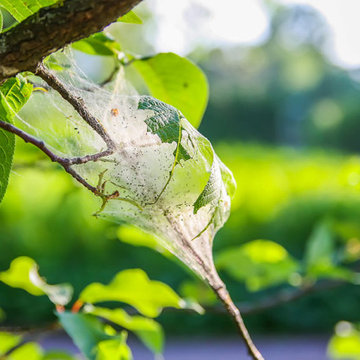
Have you ever looked out at your usually normal tree only to find it draped in hundreds or thousands of eerie looking webs? No, you are not going crazy. Chances are your tree has been visited by seasonal bugs. Typically, Eastern tent caterpillars or fall webworms are the cause of web covered trees. When they visit, they spin nets that resemble spider webs. Five Star Tree Services has put together a quick guide on everything you need to know about web-making caterpillars and how to deal with them.
Eastern Tent Caterpillars vs. Fall Webworms
Both of these pests look similar but there are some differences that set them apart. Eastern tent caterpillars are also called spring webworms. This is mainly because they are often found feeding during the spring seasons, while fall webworms as the name suggest, tend to appear in the autumn months.
The webs of the two pests look different from each other. The eastern tent caterpillar webs have a thick texture that looks like cotton, while the fall webworms have webs that more resemble tulle. Both also prefer to reside in different parts of the tree. Eastern tent caterpillars love to hang out where branches connect, called tree pockets. Fall webworms, on the other hand, like to hang out on the tips of branches.
Each has a different set of preferred tree species for their meals. Fall webworms like more than 100 different types of trees, but they are most often found on:
Black Walnut Trees
Hickory Trees
Wild Cherry Trees
Pecan Trees
Sweetgum Trees
Persimmon Trees
Mulberry Trees
Oak Trees
Pecan Trees
Eastern tent caterpillars also consume many different species of tree, but are most often found on:
Apple Trees
Crabapple Trees
Wild Cherry Trees
Ash Trees
Maple Trees
How to Remove Webworms & Tent Caterpillars
Before you start freaking out about your Halloween tree that suddenly decided to appear in the spring or early fall, it is important to note that these bugs won’t harm your tree. They look gross and will eat a large portion of your leaves, but there are no harmful side effects otherwise.
With that out of the way, getting rid of the webs is pretty simple. You can just remove them by hand and toss them into a bucket of detergent water to prevent sticking. You can also you the end of a stick or broom if you would prefer to avoid touching the sticky webs. For higher branches, we suggest calling a local arborist for assistance to prevent accidental falls.
How to Prevent Webworms & Tent Caterpillar Infestations
If you don’t want to deal with these webs at all, you can prevent an infestation in advance. In the winter, check your trees for tent caterpillar eggs. They are usually reddish in colour and a bit shiny. They can be found along the tree branches and scraped off. Fall webworm eggs look like green clumps and can be found on the bottom of leaves in the summertime. If you are unsure, or if you simply don’t want to deal with the problem on your own, Five Star Tree Services can help. Give us a call at (416) 990-3355 to find out more about our Toronto tree removal and tree care services today.
 Five Star Tree Care
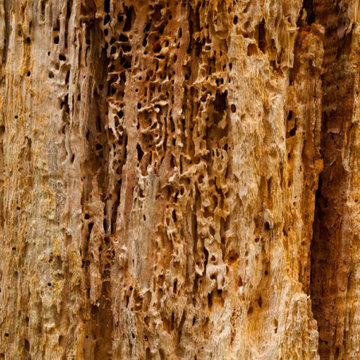
There are many different borer insects around the world that come in many different sizes and colors. But one thing they all have in common is the danger they pose to trees. These insects tunnel their way deep into trees and feed on the heartwood. Symptoms of infestation differ depending on the type of borer insect, but you can usually tell by the holes left behind in the bark. You may also notice sap or sawdust gathered around the tree or even sudden discoloration of the leaves. If left untreated, borers can kill the tree. Five Star Tree Services has put together a simple guide that will help you identify infestations so they can be treated ASAP.
4 Common Borer Species
We are going to go over four of the most common wood boring insects that attack a wide variety of tree species in a range of climates. Many native borer insects will seek out already sick trees or trees under stress as opposed to strong healthy ones. But, even healthy trees are susceptible to infestation, especially from non-native borers.
Locust Borer
This type or borer attacks black locust trees; other types of locust trees are not in danger. They can be found in any place that black locust trees grow.
Symptoms of an LB infestation are mainly localized swollen areas on the trunk or branches. These areas will look like a full knot. Other common signs are broken branches, thinness along the crown, and holes in the bark accompanied by sawdust. If you happen to see any of these signs, give our team of arborists a call as soon as possible. These borers weaken branches so that they break, which poses an additional hazard to your property and family.
Emerald Ash Borer
This type of borer usually feeds on ash trees but can also be found in rare cases in other types. They are commonly found in over states in the US but can be found in any location where ash trees grow.
Symptoms of an EAB infestation are easy to spot. In the early stages, trees will exhibit cracks along the main branches of the canopy. As the stages progress, these cracks will turn into slits and holes that look like a “D” on the bark. The canopy of the tree will also start to think as the tree progresses towards failure. As soon as you notice any of these signs, you should contact an arborist as soon as possible. Treatment is more effective when applied early on in an infestation.
Bronze Birch Borer
This species usually attacks grey birch, paper birch, and yellow birch trees. Though they mostly attack stressed or sick trees, but again even healthy birch trees can become infested. River birch thankfully is not susceptible to this particular borer. They are found in any place white bark birch trees grow.
Common signs of BBB infestations are winding tunnels along the out layer of the tree bark. They look bumpy or wrinkled. In some cases, you may also notice “D” shaped holes along the bark or leaves they have lost their color. Another common symptom is thinning along the crown and top of the tree. If found early enough, our professional arborists can apply an insecticide treatment and save the tree.
Longhorned Beetles
This species attacks a wide assortment of trees but tends to only attack those which are under a high amount of stress. They are found all over the world and are not specific to any one area.
Common signs that an LB infestation is present is sawdust under the tree, round holes, and discolored leaves. It is important to contact a specialist as soon as you notice any signs of infestation. Quick action is key to slowing and defeating these harmful insects.
How We Can Help
Infestations can destroy the health of your trees, but with quick action, most can be saved. Five Star Tree Services offers a range of tree care services in Toronto including diagnosis and treatment of borer infestations. Give us a call at (416) 990-3355 to find out more.
 Five Star Tree Care
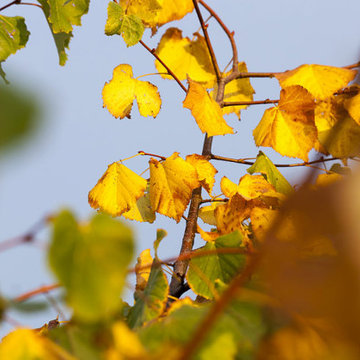
Most trees have leaves that will change colours every time the seasons change. This means that you may see changes three to four times a year depending on where you live. However, they will typically retain some measure of green colouring on their leaves until fall rolls around.
During the fall season, trees explode with bright reds, oranges, and vibrant yellows. This is a natural part of their growth and hibernation process. However, if you see these colours in the offseason, it may be a sign that there is a problem. Below, Five Star Tree Services discusses why your leaves may be yellow during the summer and what you can do about it.
Should Leaves Turn Yellow in the Summer?
If your trees have yellow leaves in the summer, it is a sign that it is suffering from disease, or having a problem with its growth cycle. Having your trees inspected periodically by a trained professional will help you catch problems early. If your trees already have yellow leaves in the offseason, they can identify the cause and suggest a solution. When diagnosed early, suggested treatments can help save the tree. Keep reading for some common causes of yellowing leaves.
Improper Watering
One of the most common reasons trees start to develop yellow leaves in the summer is due to dehydration. Checking the soil moisture levels will help determine if your trees are getting enough water. Hydration is important all year long, but especially crucial during the hot summer months. If there are dry areas around your tree trunk, it is a good idea to partake in deep root watering to help keep your trees healthy and well-watered. Make sure that you don’t overwater your trees because flooding their roots can also be unhealthy.
Lacking Nutrition
Just like people, trees need to get the right blend of nutrients in order to remain healthy. If your tree has yellow leaves in the summer and is also getting enough water, chances are it is not getting the nutrients it needs from the soil. If soil testing shows low levels of nutrients, it is a good idea to schedule a deep root fertilization treatment to adjust the levels. In many instances, correcting the soil will help you save the tree.
Insect or Pest Infestation
Yellow summer leaves are also a sign that a tree has been infested with pests. Some pest is only active in the summer. Some of the most common are:
Emerald Ash Borer
Asian Long-Horned Beetle
Yellownecked Caterpillar
Ash Flower Gall
Bronze Birch Borer
Apple-and-Thorn Skeletonizer
Eastern Tent Caterpillar
Birch Leafminer
Fall Webworm
Gypsy Moth
And many others
The first thing you should do is call an arborist to have the tree inspected. They will be able to identify the root of the problem and formulate a solution to treat the pest infestation. This will help you get rid of the bugs once and for all and save your tree in the process.
How We Can Help
If you have noticed that one of your trees have begun to develop yellow leaves, give Five Star Tree Services a call as soon as possible. We have been providing tree care services in Toronto for over 10 years. Our skilled arborist would be more than happy to evaluate your tree and suggest a solution to treat the problem, so don’t wait. Contact us at (416) 990-3355 today!
 Five Star Tree Care
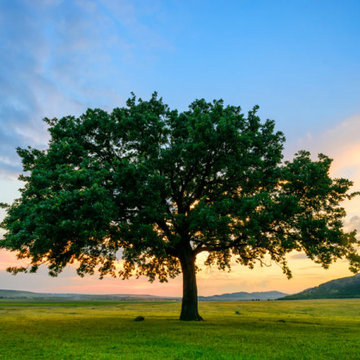
You might have heard the expression “strong as Oak” somewhere before. Although this saying might make you think it is talking about the strong physical attributes of the tree; like the storm-resistant trunk or the strong root system, it is actually referring to something deeper than that. Five Star Tree Services is here to dive deep into the ancient history of this magnificent tree!
Throughout Greek mythology and time, the Oak tree has continuously been represented as a symbol of wisdom. It has also been the embodiment of time, strength, and wisdom. The Greeks have linked the oldest oak tree, which surpassed 300 years old, as Zeus, the God of Thunder.
When we talk about this tree outside of all the symbolism it represents, it also has many other useful uses for us and animals as well. This includes things like having a strong root system that aids against erosion, producing acorns that feed farm animals, very strong wood that we can use for furniture, bringing beauty to any yard, and being a good home for wildlife.
This particular tree is easy to spot amongst many others. You can depict an Oak tree by the iconic broad canopy, multi pointed leaves, and strong branches coming from the trunk. At full maturity, these trees stretch out as much as they get tall. Meaning that these trees are perfect for hanging swings, providing plenty of shade, or partake in a lovely family picnic.
Oak trees are probably the most well-known and famous trees in the world. This is due to all the people who love the overall look of the tree, history, and symbolism. This tree is depicted throughout history and also has appeared in some of Hollywood’s movies. You may have seen the movie Forrest Gump and might have noticed a big beautiful tree with a couple different scenes. The Oak tree appears in the movie for the scene where Forrest and Jenny are kids and sitting on a low hanging branch. In another scene, you get to see a row of oaks and the iconic scene of “run Forrest, run”. As well as at the end of the movie where Forrest has Jenny buried. Throughout this movie, the Oak tree symbolizes strength and at-home consistency.
If you are thinking about planting one of these majestic trees, you are going to need to seriously consider the placement of the permanent location where this tree will stay for its whole life. You need to think about the future growth of this tree and make accommodations for how big and wide it will get. This means thinking hundreds of years into the future and planning accordingly.
Maintaining this magnificent tree is a necessity for its longevity, overall aesthetic, and for safety reasons. It will require a full pruning every couple of years and yearly fertilization in order to give the Oak tree the best care possible and to help it last many lifetimes.
How Five Star Tree Service Can Help
Oak trees are very symbolic, strong, and beautiful trees. When given enough room for growth, they are perfect for any home! This tress will leave a legacy for many generations to see and behold. If you have been contemplating adding this beautiful tree to your property, Five Star Tree Services would love to help you with our Toronto Tree Planting services! Our highly knowledgeable team will be able to assist you in choosing the perfect location for this tree and of course, planting it for you! If you are interested in our services, give us a call today at (416) 990-3355. To learn more, check out our website for more information.


 Five Star Tree Care
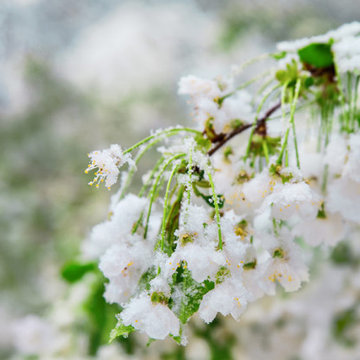
Spring brings the first rays of steady sunlight that encourage your trees to start sprouting fruit and flowers. However, sometimes at the start of spring, the cold weather makes a sudden and abrupt turn as winter tries to reassert its dominance. This can cause a late freeze, which is difficult for many trees to combat. Fruit trees are the most vulnerable during a late freeze, but Five Star Tree Services has some suggestions to help you protect your fruit and flowering trees from a late freeze.
Protecting Your Trees
Some fruit trees are better able to protect themselves from the cold, but all trees need to be protected from the frost. Depending on the type of tree you have, several methods of protection are effective.
Peach Trees: To protect peach trees, cover them with a blanket or a sheet during the day. This will allow heat to build up that will protect them at night during the freeze. Make sure to leave the cover in place until the freeze passes.
Citrus Trees: These are the most fragile of all trees. Small trees should be draped with burlap, a sheet, a tree frost blanket, or any other type of fabric at least a day before the freeze occurs. The cover has to surround the whole tree to trap the heat and prevent frost.
Apple Trees: These trees are pretty sturdy compared to other fruit-bearing trees. They can handle the cold, but it is still a good idea to cover them during sudden frost.
It is important to avoid placing ground covers, mulch, and weeds from around the base of a tree during cold weather and frost periods. The moist bare soil emits more heat than soil that is mulched. Watering trees ahead of a frost can also help to protect them as water also emits heat. When you expect a freeze, it is also best to furrow-irrigate at night or use a sprinkler on its low setting while ensuring there is proper drainage for your trees. Any time the outside temperature is forecast to drop below 32 degrees; you should cover your trees.
Which Trees Can Survive in the Cold?
No fruit-bearing trees are made for cold climates, but some are better equipped to handle the cold than others. The Plant Hardiness Zone can help you choose the right trees to plant for the area where you live. For example, lemon trees and other citrus trees need to be planted in zones 9-11 where the risk of cold weather is minimal. Pear trees, on the other hand, need cold weather to thrive and should be planted in zones 4-8.
Freezing Dangers
Some fruit or flowering trees that are caught unguarded during the late frost may lose their blossoms. In many cases, these trees will no longer sprout during the current growing season but will come back next spring as healthy as ever.
Younger trees are more prone to damage than mature trees. Trees that have closed buds are also able to handle the cold better than those that have already started to bloom. Of course, the longer a freeze is present, the more dangerous it is for your trees.
How We Can Help
The skilled arborists here at Five Star Tree Services are always on hand to help protect your trees from frost and with regular maintenance. Some of the other services we provide include tree removal, tree planting, and tree pruning in Richmond Hill and the Greater Toronto Area. If you require our assistance, give us a call at (416) 990-3355 today.
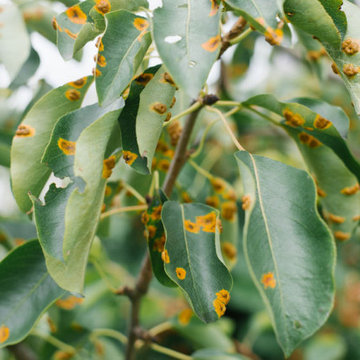 Five Star Tree Care
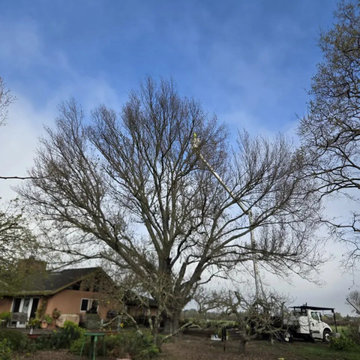
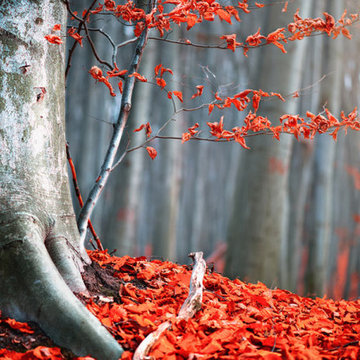
One frustrating thing about tree infections and diseases is that they are virtually completely unpredictable. It is essential to understand all the different types of risks and causes that can contribute to these issues in an attempt to understand how you can try and prevent and manage these things when they happen. Five Star Tree Services is going to go over the reasons as to how and why your trees can develop these certain issues.
Since there are so many different causes behind why a tree’s development might be interrupted, first think of them as two different categories you can split them into; non-living factors or abiotic, and living factors or biotic. We also want to note that it is possible for more than one factor to affect a tree’s health and development at any given time.
You can also make a distinction between primary pests and secondary pests. The primary pests exert a serious influence on the tree’s immediate survival. Whereas secondary pests have a less significant influence on the survival of the tree. The only time they will jeopardize a tree’s survival is if the tree has a previous debilitating issue from another risk factor.
For an individual tree’s circumstances, this will distinct the chances of an infestation, especially if it has any past debilitating issues. Which can be seen from any compromising management practices or pre-existing issues which affect the tree’s development as well as lower its resistance to infections.
Poor management in planting is a very common predisposed factor that compromises a tree’s infection defense. For instance, any saplings that are pot-bound will not get to develop solid root systems which doesn’t allow them to develop properly when they eventually get planted. Another example is when a tree gets stressed, along with other outer factors, will have significant effects on the overall wellbeing of the tree and its condition. Other factors to consider are bad soil quality as well as bad drainage.
Abiotic Non-Living Influences
The overall health of a tree can be linked to impacts such as bad growing conditions and bad soil quality. These things will put trees at a higher risk for catching a number of different biotic issues. Sickness, infections, and infestation can all be linked to ineffective nutrient absorption when a tree has insufficiently developed its natural resistances and defenses. One of the worst factors for this is fire damage. It is so debilitating that it makes trees hopeless at defending themselves against biotic attacks.
To uncover what circumstantial predispositions your tree might have due to poor developmental conditions, arborists can use the growth rings as a means of assessment for the long-term effects, wellbeing, and growth of a tree.
There are many outer and non-living variables that will influence the health of a tree and if it will be predisposed to biotic infestations. Such variables can include things like extensive cold winters and long dry spells.
Abiotic Common Influences Include:
-Water
-Chemicals
-Soil Conditions
-Weather
-Mechanical Agents
Biotic Living Influences
Sometimes, you are able to notice certain infestations easily, while others can be hard to tell. For instance, seeing an insect on a tree is no cause for alarm. A lot of them are harmless to the tree and do not cause harm while they regularly feed. However, some insects are actually harmful to a tree’s survival and knowing the difference between harmless and harmful ones is what you need to notice.
You might also see fungi on rotting matter or a dead tree. Fungi are not usually the immediate influence of a negative manifestation found in a tree’s development. There are other growths that can be seen living on trees. These include saprobic and pathogenic organisms. Saprobic growths are mostly found on rotting or dead tissues and pathogenic growths are less common. Some other living infestations include lichens, epiphytes, and mosses. But these don’t usually have any effect on a tree’s wellbeing. They live symbiotically together.
Biotic Common Influences Include:
-Mites
-Deer and Rodents
-Fungi
-Weeds
-Viruses
-Parasitic Plants
-Bacteria
-Phytoplasmas
-Insects
How Five Star Tree Service Can Help
It is important to know the basics to look out for when trying to prevent developmental issues or help a tree that is developing. There are a lot of factors to take into consideration when helping a tree grow, flourish, and live a healthy long life. If you have any questions or concerns about your trees, contact us at Five Star Tree Services today at (416) 990-3355. We will be able to help you with all your tree related needs. Check out our website for a full list of our Tree Services in Toronto!

 Five Star Tree Care
There are thousands of tree species all over the world and all these trees share the same anatomical features. All trees have trunks, branches, intricate rooting systems and leaves that make up their core systems. If you are curious about the anatomy and importance of each part, reading this guide by Five Star Tree Services is a great way to educate yourself.
Tree Branches & Twigs
The branches grow from the trunk of the tree and they help support the flowers, fruits and leaves the tree produces. The twigs and branches are also used as transport between the trunk and leaves. The top part of the tree along with the leaves is called the tree crown. This area filters dust and other debris from the atmosphere. In addition to cleaning the air, the crown also offers shade for animals and humans alike.
Tree Leaves
The leaves of a tree manage the photosynthesis process which ensures the tree has food and maintains its health. The leaves are also tasked with drawing in carbon monoxide and releasing oxygen for the rest of us to use. Many leaves have different edges which work to collect water, repel pests, and reduce wind resistance.
The Tree Trunk
The trunk of every tree has five layers. These layers consist of the inner bark, the outer bark, heartwood, sapwood, and cambium cell. The outer bark protects from harsh temperatures and pests, in addition to helping the tree retain moisture.
The inner bark, specifically the phloem is the digestive system that passes the food through to other parts of the tree. This part of the tree has a very short life, and it turns into cork before merging with the outer layer of bark when it dies. The cambium cell layer produces new tree bark and wood as the tree grows and this is generated from the hormones that come from the leaves and pass to the inner layer.
Sapwood is tasked with moving water to the leaves of the tree and as the wood ages, it transforms into heartwood, which is in the tree center. The heartwood is the main support of the tree structure and though it no longer grows, it won’t decay or become frail as long as it is protected by the outer layers.
The Tree Root System
One of the most important parts of the tree is its root system. These are found in the first three feet of soil around the tree and can extend as much as four times further away than the total circumference of the tree crown. The roots collect minerals and water from the ground, store food for the tree, and help secure it to its spot in the ground.
How Five Star Tree Services Can Help
Here at Five Star Tree Services, we care about the life and health of your trees. Our arborist offers 24-hour emergency services in addition to our regular tree and plant care services. If you are in need of trimming, tree assessment, deep root feeding, or tree removal in Toronto or the GTA, give us a call at (416) 990-3355 to set up an appointment.
 Five Star Tree Care
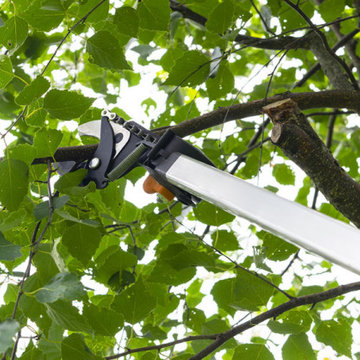
Effectively maintaining your landscape and trees take a good amount of time and effort. Often, homeowners will delay trimming or pruning their trees out of laziness or simply because they don’t know how to correctly care of their trees. But, you should know that tree trimming should be at the top of your to-do list for many reasons. Pruning, proper maintenance, and fertilization are all critical if you want the trees in your yard to thrive to grow strong. For homeowners that are unable to handle the tasks on their own, our professional tree trimming service can help. Five Star Tree Services has put together a list of the top three reasons why you need to trim your trees on a regular basis.
Healthier Trees
Regular tree trimming will keep your trees in their best health while also promoting growth. Sometimes trees may have dead or broken branches, removing them prevents decay and can even prevent an infection from spreading. If you leave damaged or rotting branches on your tree, it can spread the condition to other parts of the tree or even to other trees in the area.
When you prune your tree on a regular basis, it also promotes the growth of new leaves and branches. Reducing the thickness of the leaves and branches also opens up the inner part of the tree to the sun. Furthermore, air circulation is critical for a healthy tree and regular trimming ensures that your tree always has access to the fresh oxygen it needs to thrive. The healthier your tree is the better quality oxygen it will produce for the surrounding area.
Improve Property Value
Well-kept trees greatly improve the aesthetics of your home. Decaying branches or trees that are overgrown are not only unsightly and dangerous, but they can also have a negative impact on the curb appeal of your house. If your house is on the market, seeing an unkempt yard with untrimmed trees can leave potential buyers with a negative perception of your property. Keeping your trees trimmed and neat show that you care about your home and how it looks. Work hard for your property and it will turn the best profit when you finally sell.
Prevent Environmental Damage
Tree branches that are rotting or weak pose a safety hazard to your home and your family. Dead limbs or even overburdened are more likely to fall off of the tree and strike your home. There have been plenty of reports of dead or overly heavy branches suddenly falling on people as well. Trees that grow close to power lines also pose a threat if they are not trimmed on a regular basis. Limbs can grow too high or too long causing them to brush against the power lines. This may trigger a fire or even a power outage. Sick trees with limbs that are diseased are more likely to cause the entire tree to tip over. This can cause damage to your home, vehicles, or even a person if they are unlucky.
How Five Star Tree Services Can Help
If you are not sure about how or when to trim your trees, Five Star Tree Services is here to help. We offer a wide range of Toronto Tree Trim Services and pruning services for both commercial and residential locations. Our passionate team of tree care experts will keep your property safe and ensure that your trees are beautiful and can continue to grow in a healthy state. Give us a call at (416) 990-3355 to find out more information about the services we offer.

 Five Star Tree Care
Taking care of plants, trees or shrubs may seem easy, but for many homeowners, the task is riddled with complications. For those who have no previous experience with plant or tree care, mistakes can cause damage or even death to the trees. A lack of proper training or a lack of proper information about tree care can do much more harm than good.
We care about your trees and shrubs as much as you care about your property. To help you avoid common mistakes, our team at Five Star Tree Services has created an easy to follow quick start guide for shrubs and tree maintenance. Following this guide will help you take care of your trees and shrubs in-between visits from our trained arborist.
Hire Help
Professional arborists are qualified and the best to trim, plant, maintain trees and to preform shrub trimming in just about any environment. Not only does a professional arborist have the experience, but they also are specially trained in the care and diagnosis of various plant species and diseases. In addition to taking care of your plant life, they will also offer you instructions on how to care for your plants when they are unavailable.
Make sure to take care in who you decide to hire. Instead of choosing the first company you find or the lowest priced plant care service, first you should research their qualifications by asking about how they usually care for trees, what their pruning style is, and how often they plan to visit for seasonal care. If they are not willing to answer your questions or educate you on the proper tree and plant care, keep searching.
Proper Tree Care Starts With You
Tree care starts with the property owner. The moment you chose a tree and how you care for it once it has been planted, will shape its health for the rest of its life. Proper care in the early years will ensure that it grows into a healthy shape and has a long life ahead of it. Working with a certified arborist will ensure that you choose the right trees for your area and that they are planted and care for properly during the early years.
There are many different species and types of plants, shrubs, and trees. Understanding how to care for each one will give you the knowledge needed to help them thrive. Speaking with a skilled professional will allow you to take care of your property effectively and efficiently.
Listen Carefully
As tedious or as boring as tree care instructions may be, it is important to pay close attention and take notes. Understanding the responsibilities you have as a property owner towards the shrubs and trees on your property is the best way to ensure they are well cared for. In the event that you are unsure about what to do or how to care for your plant life, you can always reach out to one of our certified arborists here at Five Star Tree Services.
How We Can Help
Whenever you have any Toronto tree care questions, Five Star Tree Services is here to help. We care about your plant life and are dedicated to offering each of our client’s comprehensive care so that your trees and shrubs will thrive. For more information or to get some tips on taking care of the trees on your property, give us a call at (416) 990-3355 to find out more.
 Tracstar Tree Experts
RESIDENTIAL AND COMMERCIAL TREE CARE VIRGINIA BEACH
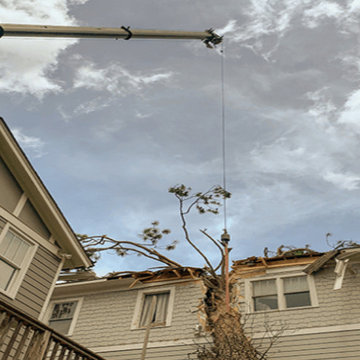
Your Hampton Roads Virginia area trees need maintenance. It’s as simple as that. Whether it’s Virginia Beach stump grinding, tree removal Virginia Beach, tree trimming Virginia Beach, or plant heath care your home deserves the best to maintain your beautiful landscape. We started our company with one mission: provide the great people of Virginia Beach with professional, honest, and expert-level tree care. In addition, we were founded in 2002 by a navy veteran that had a passion for working with and climbing trees! Since then, we have built our team with training and certifications to lead the industry forward. Tracstar Tree Experts is here to help with any of your tree service Virginia Beach needs, big or small, we can handle it all!


8