
Search results for "Unique purple" in Home Design Ideas


 City & Estate Gardener
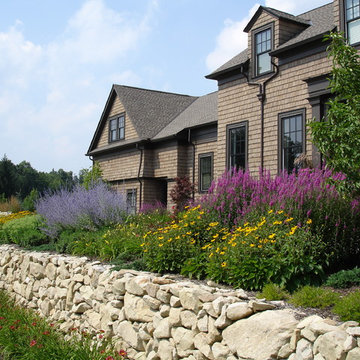
This is an example of a large traditional full sun front yard mulch formal garden in Providence for fall.

Find the right local pro for your project


 Palm Dreams Watershapes and Landscapes
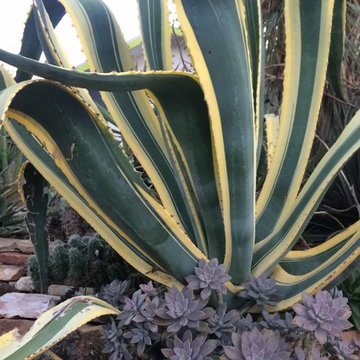
The blue Agaves are beautiful with the purple Verbena.
Design ideas for a mid-sized contemporary drought-tolerant and full sun front yard garden path.
Design ideas for a mid-sized contemporary drought-tolerant and full sun front yard garden path.


 BETWIXTdesign - Landscape & Interior Design
Photo of a mid-sized tropical drought-tolerant and full sun backyard concrete paver landscaping in San Diego.
Sponsored
Columbus, OH
Free consultation for landscape design!

Peabody Landscape Group
Columbus' Reliable Landscape Design & Contracting

 FormLA Landscaping
Blue Eyed Grass (Sisyrinchium vellum) blooms emerge from clumping grass-like foliage. It adds eye catching pops of color in spring meadows and will be dormant in summer.
 Boise Pottery
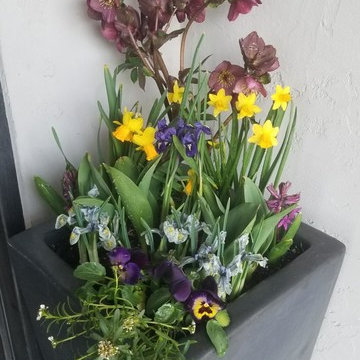
With the white paint job on the house, this pewter grey pot works very well with the already-established neutral motif.

 Bright Garden Designs
This picture was taken in Spring of 2010. The front yard has many plants that bring birds into the garden.

 Natalie DeNormandie
Photography by Liz Linder (www.lizlinder.com).
This is an example of a transitional landscaping in Boston.
This is an example of a transitional landscaping in Boston.

 Austin Ganim Landscape Design, LLC
Design ideas for a traditional landscaping in New York.
Design ideas for a traditional landscaping in New York.

Sponsored
Columbus, OH
Free consultation for landscape design!
Peabody Landscape Group
Columbus' Reliable Landscape Design & Contracting


 FormLA Landscaping
California native Pitchers Sage (Lepechinia calycina), a fragrant perennial shrub, dangles these lovely lavendar bells in the spring and early summer in LA.


 Rich Earth Landscapes
Spring crocus planting by Rich Earth Garden Service.
This is an example of a rustic landscaping in Vancouver.
This is an example of a rustic landscaping in Vancouver.
Sponsored
Columbus, OH
Free consultation for landscape design!
Peabody Landscape Group
Columbus' Reliable Landscape Design & Contracting


 Green Step Flooring, Inc.
A true piece of American history. 100+ year old lumber reclaimed from old barns in West Virginia.
In the early 1900's, a fungus emerged and rapidly spread through America's Chestnut tree forests. By 1935, a good portion of the mature Chestnut trees were destroyed by the fungus. During this time the wood was considered inferior because of bore holes caused by an insect that invaded the diseased trees. To eliminate the spread of any futher tree disease, the trees were quickly milled into lumber for barns, fences, structure flooring, and siding.


140