
Search results for "Verifiable source" in Home Design Ideas

 down2earth Interior Design, LLC.
Our energetic client came to us with a design challenge – take a broken-up layout, make it flow, and add a French flair. And, it was imperative that we maximize storage and make the whole space kid and dog friendly.
This interior design project was a true collaboration. When we began, the kitchen and the dining room were completely separate spaces. Our down2earth interior design team proposed layouts that ranged from modest interventions (retaining the wall that divided the dining room and kitchen), to moderate interventions that left a partial wall in place, to major realignments that opened the space wide up. By creating design drawings for these different levels of intervention, the homeowners were able to view the pros and cons and price the different options. Happily, after having engineers verify that it was doable, they chose a wide open layout, which allows these party people to have a fabulous entertaining space.
Once the layouts for the kitchen and dining room were established, it was time to collaborate with the builder on lighting placement and with the woodworker to get all the little details right, such as dog dishes in the blue island and specialized storage at the perimeter. The wood fumehood was part of the homeowners’ original vision and is the focal point of the back wall. The brass and glass shelves over the bar cabinets were sourced by the homeowners as well, and we worked within the company’s offerings to get the proportions just right. A brass bar was added to the toe-kick area of the custom designed breakfast nook to match the brass bar shelf brackets and support little feet. Lighting, furniture, upholstered bench cushions, and drapery all soften the space and provide that desired French flair. Counter tops are super white leather granite.

Inspiration for a transitional living room remodel in Atlanta with a standard fireplace and a plaster fireplace
Find the right local pro for your project

 Diablo Flooring,Inc
Diablo Flooring Inc - Danville CA
HomerWood is an American brand you can trust! Using only the highest quality, local raw materials they hand-craft premium hardwood flooring in a range of beautiful colors, styles, textures and surface treatments to fit both residential and commercial interiors.
HomerWood Hardwood Flooring is visually opulent with distinct looks and is a truly unique hardwood flooring with a personal reflection of one's own taste and lifestyle. Allow Nature To Customize Your Floor!
HomerWood Hardwood Flooring Traditional Character - Click to View Selections
Traditional Character™
Crafted from the entire tree, all of nature's beautiful distinctive markings are revealed. These one-of-a-kind markings are highlighted beneath a smooth durable finish.
Amish Hand-Scraped®
These floors are truly fashioned by hand by local Amish artisans and like a true piece of art, each plank bears the signature of the proud craftsman who created it. HomerWood's Traditional scrape covers the full surface of the floor. Whereas Time Worn, a softer scrape, provides a subtle rolling surface variation.
Smoked Specialties™
Dramatic, rich and alluring visuals that add design and depth to a room. Using a technique achieved by gently flaming the wood, board by board, the heat from the open flame caramelizes the sugars in the sapwood creating a shadowed look that can't be imitated.
Aesthetics™ by HomerWood®
Oak and Ash hardwood sourced from the Appalachian region are custom crafted into beautiful long, wide planks that are precisely milled to enhance the overall presence of your wood floor. These visually pleasing floors are offered in a 9/16" engineered construction to provide installation versatility and excellent stability. HomerWood's designer inspired color choices are highlighted beneath a smooth durable matte finish making these floors an attractive option for both residential and commercial interiors.
Birch Run™
The rich elegance of HomerWood's all American birch lends an air of distinction to any room where the beauty of the wood is of the utmost importance. Birch wood is fine grained with an attractive satin like luster. While all trees are naturally renewable, not all are able to be utilized to the full extent like the Birch tree. This capability makes it an environmentally friendly resource precisely milled by HomerWood.
Raw Material
Homerwood uses only the highest grade, center cut, raw material from verifiable sources in the Appalachian region. Visually beautiful floors with tight grain. Allows for long lengths and wider widths with excellent stability.
Species
Homerwood uses only domestic species which include hickory, cherry, black walnut, hard maple, ash, birch, red oak, white oak and rift and quartered white oak. With a broad range of species and colors to choose from, you have many options and choices to design to your taste and style.
Green
Homerwood hardwood flooring is produced with zero waste, is Carb II compliant with zero off-gassing and no VOC's. Engineered floors are cold pressed with no urea formaldehyde. Environmentally friendly. Provides for healthy living with no allergens.
Warranty - Lifetime Structural Warranty
Superior Finish Warranty - Aluminum Oxide only: 50-year residential / 3-year commercial
Custom Options
Custom stains, gloss levels, long lengths, wide widths, textures, reclaimed flooring, pre-cut herringbone and pre-cut parquets.
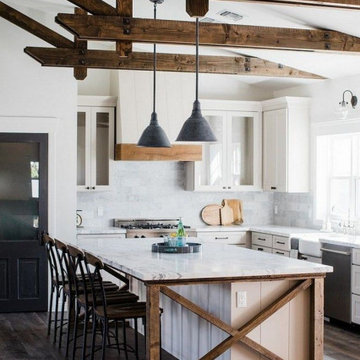

 Diablo Flooring,Inc
Diablo Flooring Inc - Danville CA
HomerWood is an American brand you can trust! Using only the highest quality, local raw materials they hand-craft premium hardwood flooring in a range of beautiful colors, styles, textures and surface treatments to fit both residential and commercial interiors.
HomerWood Hardwood Flooring is visually opulent with distinct looks and is a truly unique hardwood flooring with a personal reflection of one's own taste and lifestyle. Allow Nature To Customize Your Floor!
HomerWood Hardwood Flooring Traditional Character - Click to View Selections
Traditional Character™
Crafted from the entire tree, all of nature's beautiful distinctive markings are revealed. These one-of-a-kind markings are highlighted beneath a smooth durable finish.
Amish Hand-Scraped®
These floors are truly fashioned by hand by local Amish artisans and like a true piece of art, each plank bears the signature of the proud craftsman who created it. HomerWood's Traditional scrape covers the full surface of the floor. Whereas Time Worn, a softer scrape, provides a subtle rolling surface variation.
Smoked Specialties™
Dramatic, rich and alluring visuals that add design and depth to a room. Using a technique achieved by gently flaming the wood, board by board, the heat from the open flame caramelizes the sugars in the sapwood creating a shadowed look that can't be imitated.
Aesthetics™ by HomerWood®
Oak and Ash hardwood sourced from the Appalachian region are custom crafted into beautiful long, wide planks that are precisely milled to enhance the overall presence of your wood floor. These visually pleasing floors are offered in a 9/16" engineered construction to provide installation versatility and excellent stability. HomerWood's designer inspired color choices are highlighted beneath a smooth durable matte finish making these floors an attractive option for both residential and commercial interiors.
Birch Run™
The rich elegance of HomerWood's all American birch lends an air of distinction to any room where the beauty of the wood is of the utmost importance. Birch wood is fine grained with an attractive satin like luster. While all trees are naturally renewable, not all are able to be utilized to the full extent like the Birch tree. This capability makes it an environmentally friendly resource precisely milled by HomerWood.
Raw Material
Homerwood uses only the highest grade, center cut, raw material from verifiable sources in the Appalachian region. Visually beautiful floors with tight grain. Allows for long lengths and wider widths with excellent stability.
Species
Homerwood uses only domestic species which include hickory, cherry, black walnut, hard maple, ash, birch, red oak, white oak and rift and quartered white oak. With a broad range of species and colors to choose from, you have many options and choices to design to your taste and style.
Green
Homerwood hardwood flooring is produced with zero waste, is Carb II compliant with zero off-gassing and no VOC's. Engineered floors are cold pressed with no urea formaldehyde. Environmentally friendly. Provides for healthy living with no allergens.
Warranty - Lifetime Structural Warranty
Superior Finish Warranty - Aluminum Oxide only: 50-year residential / 3-year commercial
Custom Options
Custom stains, gloss levels, long lengths, wide widths, textures, reclaimed flooring, pre-cut herringbone and pre-cut parquets.

 Digital Marketing
Buy Old GitHub Accounts
?☀️⭐??❤️?????❤️?☀️?⭐⭐?⭐
24 Hours Reply/Contact
✅ ➤ Telegram: @itzonesmm0
✅ ➤ WhatsApp: +1 (989) 513-2521
✅ ➤ https://itzonesmm.com/product/buy-github-accounts/
?☀️⭐??❤️?????❤️?☀️?⭐⭐?⭐
GitHub has become one of the world's leading platforms for software development, collaboration, and version control. Millions of developers, startups, businesses, and open-source contributors rely on GitHub to host repositories, manage projects, and collaborate on code. As the platform continues to grow, Old GitHub Accounts have become increasingly valuable for professionals seeking established accounts with a longer history.
Whether you're a software developer, development agency, DevOps engineer, or technology entrepreneur, an older GitHub account may provide advantages when building a professional presence, contributing to open-source communities, or managing development projects.
In this comprehensive guide from itzonesmm.com, we'll explain what Old GitHub Accounts are, their key features, benefits, common use cases, security considerations, and how to choose reliable accounts for legitimate purposes.
What Are Old GitHub Accounts?
Old GitHub Accounts are GitHub user accounts that were created months or years ago and have an established account age. Compared to newly registered accounts, older GitHub accounts have existed on the platform for a longer period and may include a history of activity, depending on how they have been used.
Many professionals appreciate aged accounts because they represent an established presence within the GitHub ecosystem.
While account age alone does not determine credibility or technical ability, many organizations and developers value accounts that have been maintained over time.
Why Are Old GitHub Accounts Popular?
The growing demand for Old GitHub Accounts is driven by the increasing importance of GitHub in software development and collaboration.
Older accounts are commonly sought after because they offer:
Established account history
Professional online identity
Long-term platform presence
Convenient project management
Faster onboarding for development workflows
Support for multiple business activities
For organizations managing several projects or teams, established GitHub accounts can help simplify account organization.
Key Features of Old GitHub Accounts
Established Account Age
The defining feature of Old GitHub Accounts is their creation date. These accounts have existed on GitHub for an extended period compared to newly created accounts.
Access to GitHub Features
Old GitHub accounts can access the same core GitHub features available to standard users, including:
Repository creation
Code hosting
Version control using Git
Pull requests
Issue tracking
Discussions
Wikis
GitHub Actions
GitHub Pages
These features make GitHub one of the most powerful collaboration platforms available today.
?☀️⭐??❤️?????❤️?☀️?⭐⭐?⭐
24 Hours Reply/Contact
✅ ➤ Telegram: @itzonesmm0
✅ ➤ WhatsApp: +1 (989) 513-2521
✅ ➤ https://itzonesmm.com/product/buy-github-accounts/
?☀️⭐??❤️?????❤️?☀️?⭐⭐?⭐
Developer Collaboration
GitHub enables seamless collaboration among development teams through:
Branch management
Code reviews
Merge requests
Team permissions
Project boards
Workflow automation
Older accounts fit naturally into collaborative development environments.
Secure Authentication
GitHub provides several security tools, including:
Two-factor authentication
SSH key authentication
Personal access tokens
Passkey support
Security alerts
Device management
Users should always enable available security features to protect their accounts.
Benefits of Old GitHub Accounts
Professional Online Presence
An established GitHub account can contribute to a more professional appearance when participating in software communities or collaborating on projects.
Better Project Organization
Many companies manage multiple repositories, clients, and products.
Using separate GitHub accounts can help organize:
Client repositories
Internal development
Testing projects
Research repositories
Open-source contributions
Time Savings
Creating and configuring new development accounts for every project takes time.
Older accounts may reduce setup effort by providing an already established GitHub profile.
Useful for Development Agencies
Software agencies often require multiple GitHub accounts for:
Team collaboration
Client management
Repository organization
Development workflows
Quality assurance
Old GitHub accounts can simplify account management across various projects.
Flexible for Different Industries
Professionals in many sectors benefit from GitHub, including:
Software development
Web development
Mobile app development
Artificial intelligence
Data science
Cybersecurity
DevOps
Cloud engineering
Common Uses of Old GitHub Accounts
Professionals use Old GitHub Accounts for many legitimate purposes, including:
Software Development
Developers manage source code, branches, and releases using GitHub.
Open-Source Contributions
GitHub remains the largest platform for contributing to open-source software projects.
Team Collaboration
Development teams collaborate efficiently through repositories, pull requests, and project boards.
Portfolio Building
Many developers use GitHub profiles to showcase coding projects and technical skills to employers or clients.
Documentation Management
GitHub supports documentation through Markdown files and project wikis, making it easy to maintain technical documentation.
Continuous Integration
GitHub Actions enables developers to automate testing, deployment, and other workflows directly from their repositories.
?☀️⭐??❤️?????❤️?☀️?⭐⭐?⭐
24 Hours Reply/Contact
✅ ➤ Telegram: @itzonesmm0
✅ ➤ WhatsApp: +1 (989) 513-2521
✅ ➤ https://itzonesmm.com/product/buy-github-accounts/
?☀️⭐??❤️?????❤️?☀️?⭐⭐?⭐
Why Businesses Choose Old GitHub Accounts
Modern software companies rely heavily on GitHub for daily operations.
Some reasons businesses choose established accounts include:
Organized repository management
Team collaboration
Professional project administration
Long-term development planning
Cloud-based code storage
Version tracking
Using well-managed GitHub accounts can improve workflow efficiency and project organization.
Best Practices for Using Old GitHub Accounts
To maximize security and maintain account integrity, follow these best practices:
Change the password immediately after obtaining access.
Enable two-factor authentication (2FA).
Update recovery information where appropriate.
Use SSH keys for secure authentication.
Review authorized applications regularly.
Avoid sharing credentials.
Maintain strong password hygiene.
Follow GitHub's Terms of Service and acceptable use policies.
Responsible account management is essential for protecting repositories and sensitive development work.
How to Choose Reliable Old GitHub Accounts
If you are considering acquiring Old GitHub Accounts, selecting a trustworthy provider is essential.
Look for:
Verified account information
Transparent service policies
Responsive customer support
Secure delivery methods
Positive customer feedback
Quality assurance
Clear account details
Working with reputable providers helps minimize risks and ensures a smoother experience.
Why Choose itzonesmm.com?
At itzonesmm.com, we understand the needs of developers, digital agencies, businesses, and technology professionals.
Customers choose itzonesmm.com because of:
Professional customer service
Reliable digital solutions
Competitive pricing
Fast delivery
Focus on quality
Customer satisfaction
Secure purchasing experience
Whether you're managing development teams, software projects, or technical operations, having dependable digital resources can help improve productivity.
SEO Benefits of Organized GitHub Management
Although GitHub itself is not an SEO tool, maintaining organized repositories and documentation can support broader digital strategies.
Benefits include:
Better project documentation
Easier collaboration
Faster development workflows
Improved portfolio presentation
Streamlined code management
Professional online visibility
Well-organized GitHub profiles also help demonstrate technical expertise to potential employers, partners, and clients.
Frequently Asked Questions (FAQs)
What are Old GitHub Accounts?
Old GitHub Accounts are GitHub profiles that were created in the past and have an established account age compared to newly registered accounts.
Why do developers use Old GitHub Accounts?
Developers may use older GitHub accounts to maintain a consistent professional presence, organize projects, collaborate with teams, and contribute to software development.
Are Old GitHub Accounts secure?
GitHub provides robust security features such as two-factor authentication, SSH keys, security alerts, and account monitoring. Users should enable these features and follow security best practices.
Can businesses use Old GitHub Accounts?
Yes. Businesses commonly use GitHub for version control, project management, software collaboration, documentation, and code hosting, provided they comply with GitHub's Terms of Service.
?☀️⭐??❤️?????❤️?☀️?⭐⭐?⭐
24 Hours Reply/Contact
✅ ➤ Telegram: @itzonesmm0
✅ ➤ WhatsApp: +1 (989) 513-2521
✅ ➤ https://itzonesmm.com/product/buy-github-accounts/
?☀️⭐??❤️?????❤️?☀️?⭐⭐?⭐
What should I consider before obtaining an Old GitHub Account?
Choose a reputable provider, verify account information, update security settings immediately, and ensure the account is used responsibly and in accordance with applicable platform policies.
Conclusion
Old GitHub Accounts can be valuable for developers, software agencies, startups, and businesses seeking an established presence on one of the world's leading development platforms. With access to powerful collaboration tools, version control capabilities, and GitHub's extensive ecosystem, older accounts can support professional workflows and efficient project management.
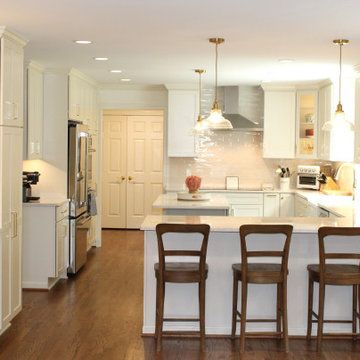
 Talon Construction Inc.
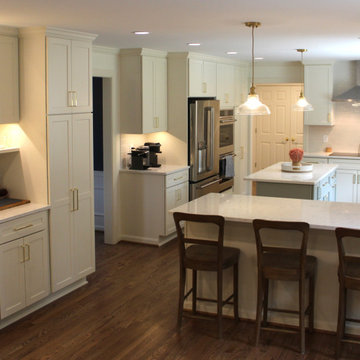
Finding a reputable contractor to design and build your kitchen remodel in Maryland with quality results involves several steps. Here are some general guidelines to help you find the right professional for your project:
1. Ask for Recommendations: Start by asking friends, family, neighbors, or colleagues who have recently completed kitchen remodels for recommendations. Personal referrals can be a valuable source of trustworthy contractors.
2. Check Online Reviews: Websites like Yelp, Angie's List, and Google Reviews can provide insights into the experiences of previous clients. Look for contractors with consistently positive feedback.
3. Check Credentials: Verify that the contractor has the necessary licenses and insurance to work in Maryland. You can typically check this information on your state's licensing board website.
4. Ask for References: Request references from the contractor and contact previous clients to inquire about their experiences. Visit some of their completed projects if possible.
5. Review Portfolios: Examine the contractor's portfolio of past kitchen remodels. Look for examples of work that match your style and preferences.
6. Check for Permits: Ensure that the contractor will handle any necessary permits and inspections for your remodel. Avoid contractors who suggest bypassing required permits, as this can lead to legal and safety issues.
7. Discuss Communication: Clear communication is crucial throughout the project. Discuss how the contractor will keep you updated on progress and address any concerns or changes during the remodel.
8. Get Everything in Writing: Never rely solely on verbal agreements. Ensure that all project details, warranties, and expectations are documented in a written contract.
9. Check for Red Flags: Be wary of contractors who pressure you into making quick decisions, lack a physical business address, or have a history of disputes or legal issues.
10. Trust Your Instincts: Choose a contractor you feel comfortable working with. Trust your instincts and select someone who listens to your ideas and concerns.
11. Visit Completed Projects: If possible, visit some of the contractors’ completed kitchen remodels to assess the quality of their work in person.
Once you've completed your due diligence and gathered all the necessary information, you'll be better equipped to make an informed decision about which contractor to hire for your kitchen remodel in Maryland. Remember that quality results often come from working with experienced, licensed professionals who prioritize clear communication and transparency throughout the project.
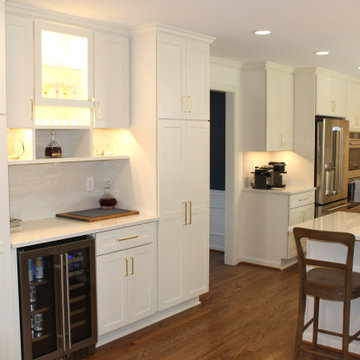 Talon Construction Inc.
Finding a reputable contractor to design and build your kitchen remodel in Maryland with quality results involves several steps. Here are some general guidelines to help you find the right professional for your project:
1. Ask for Recommendations: Start by asking friends, family, neighbors, or colleagues who have recently completed kitchen remodels for recommendations. Personal referrals can be a valuable source of trustworthy contractors.
2. Check Online Reviews: Websites like Yelp, Angie's List, and Google Reviews can provide insights into the experiences of previous clients. Look for contractors with consistently positive feedback.
3. Check Credentials: Verify that the contractor has the necessary licenses and insurance to work in Maryland. You can typically check this information on your state's licensing board website.
4. Ask for References: Request references from the contractor and contact previous clients to inquire about their experiences. Visit some of their completed projects if possible.
5. Review Portfolios: Examine the contractor's portfolio of past kitchen remodels. Look for examples of work that match your style and preferences.
6. Check for Permits: Ensure that the contractor will handle any necessary permits and inspections for your remodel. Avoid contractors who suggest bypassing required permits, as this can lead to legal and safety issues.
7. Discuss Communication: Clear communication is crucial throughout the project. Discuss how the contractor will keep you updated on progress and address any concerns or changes during the remodel.
8. Get Everything in Writing: Never rely solely on verbal agreements. Ensure that all project details, warranties, and expectations are documented in a written contract.
9. Check for Red Flags: Be wary of contractors who pressure you into making quick decisions, lack a physical business address, or have a history of disputes or legal issues.
10. Trust Your Instincts: Choose a contractor you feel comfortable working with. Trust your instincts and select someone who listens to your ideas and concerns.
11. Visit Completed Projects: If possible, visit some of the contractors’ completed kitchen remodels to assess the quality of their work in person.
Once you've completed your due diligence and gathered all the necessary information, you'll be better equipped to make an informed decision about which contractor to hire for your kitchen remodel in Maryland. Remember that quality results often come from working with experienced, licensed professionals who prioritize clear communication and transparency throughout the project.
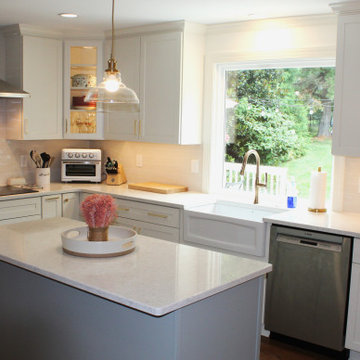 Talon Construction Inc.
Finding a reputable contractor to design and build your kitchen remodel in Maryland with quality results involves several steps. Here are some general guidelines to help you find the right professional for your project:
1. Ask for Recommendations: Start by asking friends, family, neighbors, or colleagues who have recently completed kitchen remodels for recommendations. Personal referrals can be a valuable source of trustworthy contractors.
2. Check Online Reviews: Websites like Yelp, Angie's List, and Google Reviews can provide insights into the experiences of previous clients. Look for contractors with consistently positive feedback.
3. Check Credentials: Verify that the contractor has the necessary licenses and insurance to work in Maryland. You can typically check this information on your state's licensing board website.
4. Ask for References: Request references from the contractor and contact previous clients to inquire about their experiences. Visit some of their completed projects if possible.
5. Review Portfolios: Examine the contractor's portfolio of past kitchen remodels. Look for examples of work that match your style and preferences.
6. Check for Permits: Ensure that the contractor will handle any necessary permits and inspections for your remodel. Avoid contractors who suggest bypassing required permits, as this can lead to legal and safety issues.
7. Discuss Communication: Clear communication is crucial throughout the project. Discuss how the contractor will keep you updated on progress and address any concerns or changes during the remodel.
8. Get Everything in Writing: Never rely solely on verbal agreements. Ensure that all project details, warranties, and expectations are documented in a written contract.
9. Check for Red Flags: Be wary of contractors who pressure you into making quick decisions, lack a physical business address, or have a history of disputes or legal issues.
10. Trust Your Instincts: Choose a contractor you feel comfortable working with. Trust your instincts and select someone who listens to your ideas and concerns.
11. Visit Completed Projects: If possible, visit some of the contractors’ completed kitchen remodels to assess the quality of their work in person.
Once you've completed your due diligence and gathered all the necessary information, you'll be better equipped to make an informed decision about which contractor to hire for your kitchen remodel in Maryland. Remember that quality results often come from working with experienced, licensed professionals who prioritize clear communication and transparency throughout the project.
 Talon Construction Inc.
Finding a reputable contractor to design and build your kitchen remodel in Maryland with quality results involves several steps. Here are some general guidelines to help you find the right professional for your project:
1. Ask for Recommendations: Start by asking friends, family, neighbors, or colleagues who have recently completed kitchen remodels for recommendations. Personal referrals can be a valuable source of trustworthy contractors.
2. Check Online Reviews: Websites like Yelp, Angie's List, and Google Reviews can provide insights into the experiences of previous clients. Look for contractors with consistently positive feedback.
3. Check Credentials: Verify that the contractor has the necessary licenses and insurance to work in Maryland. You can typically check this information on your state's licensing board website.
4. Ask for References: Request references from the contractor and contact previous clients to inquire about their experiences. Visit some of their completed projects if possible.
5. Review Portfolios: Examine the contractor's portfolio of past kitchen remodels. Look for examples of work that match your style and preferences.
6. Check for Permits: Ensure that the contractor will handle any necessary permits and inspections for your remodel. Avoid contractors who suggest bypassing required permits, as this can lead to legal and safety issues.
7. Discuss Communication: Clear communication is crucial throughout the project. Discuss how the contractor will keep you updated on progress and address any concerns or changes during the remodel.
8. Get Everything in Writing: Never rely solely on verbal agreements. Ensure that all project details, warranties, and expectations are documented in a written contract.
9. Check for Red Flags: Be wary of contractors who pressure you into making quick decisions, lack a physical business address, or have a history of disputes or legal issues.
10. Trust Your Instincts: Choose a contractor you feel comfortable working with. Trust your instincts and select someone who listens to your ideas and concerns.
11. Visit Completed Projects: If possible, visit some of the contractors’ completed kitchen remodels to assess the quality of their work in person.
Once you've completed your due diligence and gathered all the necessary information, you'll be better equipped to make an informed decision about which contractor to hire for your kitchen remodel in Maryland. Remember that quality results often come from working with experienced, licensed professionals who prioritize clear communication and transparency throughout the project.
Sponsored
Delaware, OH

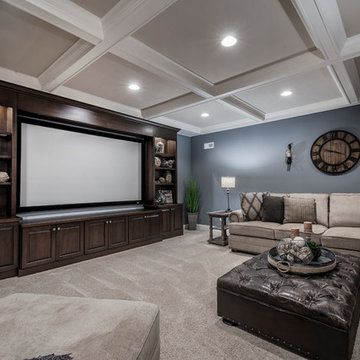
Buckeye Basements, Inc.
Central Ohio's Basement Finishing ExpertsBest Of Houzz '13-'21

 User
This is an organic Lime Wash done with a true lime wash product as opposed to a brick mortar or concrete that is often seen on new houses. This product can be applied as a solid coating making the surface completely white, or can be applied and "washed off" in many artistic ways, as seen here. If you hate your brick or just want something unique this is a great option!
Photo credit: Jeff Murrey


 Paradise Found Construction
The homes in Heritage Hills in Chapel Hill, NC are representative of the popularity and explosive growth of American Home Ownership that occurred during the economic expansion that followed the end of WW II. They were designed and built to foster the benefits and sense of “community”, where families could come together and share theirs and their children’s lives. They are typically in very desirable locations within their larger communities, and remodeling them with modern amenities, increasing the performance and efficiency of them, and having them Green Certified (independent third-party verified) makes them extremely attractive to buyers, and helps to raise other property values within the neighborhood.
Green Certified Remodeled Homes offer significant value and advantage in the marketplace over similar homes in their area, which is especially important as a new, younger era of home buyers enter the market. Current trends suggest that younger (as well as many “seasoned”) homeowners are interested in smaller, more efficient (and thus affordable) homes situated closer to shopping, their work, entertainment opportunities, and access to the economic and environmental benefits of mass transit.
These older homes also offer an additional value that is continuing to gain visibility and appreciation in the market place. They were built from lumber from slower-growth trees (denser and harder wood), and as such offer superior structural support compared to the same home built using lumber from today’s faster-growing (softer and less-dense wood) trees.
Robin and Kent had lived in their 2-story Gambrel Roof home in Heritage Hills since 1994. The house was structurally sound, due in large part to the old-growth (and denser) yellow pine that was used in its framing. They loved the quiet neighborhood, its sense of community and amenities, and their home. It suited their life-style and needs; and they had decided that they would remain in the home. It was showing its age, and was in need of general repairs and maintenance, and its energy, water, and indoor air quality performance was continuing to increase their ongoing cost of ownership.
Robin loved the screen porch that looked out on their private and nicely landscaped back yard, but she wanted to be able to use it in the colder months of the year. She was unsatisfied with the kitchen and the mud room / laundry room, and the darkness of other living spaces. A previous water leak in the laundry room had resulted in a large patch of mold that had compromised flooring, wall board, and insulation and contributed to the homes reduced indoor air quality.
The home lacked insulation in the crawl, and inadequate insulation in the attic. The single HVAC unit had been replaced a few years earlier with a more efficient unit, but with a single programmable thermostat control on the first floor and aging and un-insulated ducting, the second floor was often over-heated in the summer months.
The original wood windows had begun to deteriorate and were drafty and inefficient, and the original wood-burning fireplace was an open conduit for escaping conditioned air as well as an inlet for wood-smoke smelling air being pulled into the home. The siding had been replaced a few years earlier with a cement-fiber product, but the exterior wood trim was compromised and beginning to look unsightly. Its original architecture had been altered over the years in ways that presented ongoing maintenance and durability issues, as well as disrupting the elegance of the original design.
Kent has worked for over 30 years in the Environmental Sciences field, and is considered to be a national expert in understanding the sources of, and human exposure to pollutants in indoor environments. He had always been very conscious and cautious about the effects on indoor air quality that the construction, furnishings, and products used in home had on him and his family.
Project Goals
Increase the performance of their home by improving energy efficiency by at least 40% and lowering their natural gas and electric utility costs.
Increase the performance of their home by reducing water usage by at least 40% and lowering the water utility costs.
Increase the comfort of their home that was being compromised by an inadequate HVAC design, inadequate insulation, inefficient and compromised wood windows, and copious air intrusions and drafts.
Improve the healthiness of the homes indoor air quality that was being compromised by an open wood-burning fireplace, and prior water intrusion that had allowed colonies of mold to thrive.
Create a new Kitchen, Family Room, Home Office, Mudroom, and Laundry Room that featured some of the latest designs and trends and harmonized with the rest of the homes charm.
Increase the usefulness and aesthetics of the screened porch by creating a warm and inviting semi-conditioned 3-Season Room that extended the times during the year that it was comfortable.
Introduce day-lighting into areas of the home that were dark and uninviting.
Brighten and harmonize all of the interior finishes.
Protect and restore the exterior of the home with superior-performing products and finishes.
Achieve Gold Level Green Home Certification in conformance with the ICC 700-2012 National Green Building Standards (NGBS).

 Zelaya Properties LLC
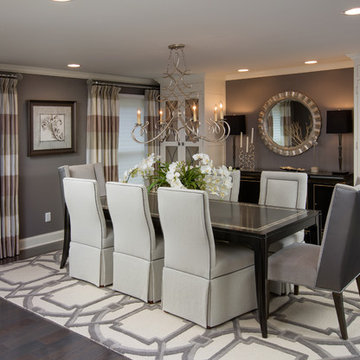
We used: Custom cherry cabinetry in Arts & Crafts Shaker style by Kabinart in Boulder and Espresso stains. Liberty Hardware Venetian bronze 1-1/2" cabinet knobs. KitchenAid Architect II Series 22 CF counter-depth French door refrigerator. KitchenAid Architect Series II 27" convection single wall oven. KitchenAid 36" 6-burner dual fuel freestanding commercial-style range. KitchenAid Architect II Series 24" dishwasher. Sharp Insight Pro Series 24" built-in microwave drawer (Model #KB6524PS). Crystorama Solaris 12" wide pendant lights in English bronze. Granite countertops in Brown Fantasy. 3"x6" polished marble backsplash.
Paint colors:
Walls: Glidden Silver Cloud 30YY 63/024
Ceilings/Trims/Doors: Glidden Swan White GLC23
Robert B. Narod Photography

 Paradise Found Construction
The homes in Heritage Hills in Chapel Hill, NC are representative of the popularity and explosive growth of American Home Ownership that occurred during the economic expansion that followed the end of WW II. They were designed and built to foster the benefits and sense of “community”, where families could come together and share theirs and their children’s lives. They are typically in very desirable locations within their larger communities, and remodeling them with modern amenities, increasing the performance and efficiency of them, and having them Green Certified (independent third-party verified) makes them extremely attractive to buyers, and helps to raise other property values within the neighborhood.
Green Certified Remodeled Homes offer significant value and advantage in the marketplace over similar homes in their area, which is especially important as a new, younger era of home buyers enter the market. Current trends suggest that younger (as well as many “seasoned”) homeowners are interested in smaller, more efficient (and thus affordable) homes situated closer to shopping, their work, entertainment opportunities, and access to the economic and environmental benefits of mass transit.
These older homes also offer an additional value that is continuing to gain visibility and appreciation in the market place. They were built from lumber from slower-growth trees (denser and harder wood), and as such offer superior structural support compared to the same home built using lumber from today’s faster-growing (softer and less-dense wood) trees.
Robin and Kent had lived in their 2-story Gambrel Roof home in Heritage Hills since 1994. The house was structurally sound, due in large part to the old-growth (and denser) yellow pine that was used in its framing. They loved the quiet neighborhood, its sense of community and amenities, and their home. It suited their life-style and needs; and they had decided that they would remain in the home. It was showing its age, and was in need of general repairs and maintenance, and its energy, water, and indoor air quality performance was continuing to increase their ongoing cost of ownership.
Robin loved the screen porch that looked out on their private and nicely landscaped back yard, but she wanted to be able to use it in the colder months of the year. She was unsatisfied with the kitchen and the mud room / laundry room, and the darkness of other living spaces. A previous water leak in the laundry room had resulted in a large patch of mold that had compromised flooring, wall board, and insulation and contributed to the homes reduced indoor air quality.
The home lacked insulation in the crawl, and inadequate insulation in the attic. The single HVAC unit had been replaced a few years earlier with a more efficient unit, but with a single programmable thermostat control on the first floor and aging and un-insulated ducting, the second floor was often over-heated in the summer months.
The original wood windows had begun to deteriorate and were drafty and inefficient, and the original wood-burning fireplace was an open conduit for escaping conditioned air as well as an inlet for wood-smoke smelling air being pulled into the home. The siding had been replaced a few years earlier with a cement-fiber product, but the exterior wood trim was compromised and beginning to look unsightly. Its original architecture had been altered over the years in ways that presented ongoing maintenance and durability issues, as well as disrupting the elegance of the original design.
Kent has worked for over 30 years in the Environmental Sciences field, and is considered to be a national expert in understanding the sources of, and human exposure to pollutants in indoor environments. He had always been very conscious and cautious about the effects on indoor air quality that the construction, furnishings, and products used in home had on him and his family.
Project Goals
Increase the performance of their home by improving energy efficiency by at least 40% and lowering their natural gas and electric utility costs.
Increase the performance of their home by reducing water usage by at least 40% and lowering the water utility costs.
Increase the comfort of their home that was being compromised by an inadequate HVAC design, inadequate insulation, inefficient and compromised wood windows, and copious air intrusions and drafts.
Improve the healthiness of the homes indoor air quality that was being compromised by an open wood-burning fireplace, and prior water intrusion that had allowed colonies of mold to thrive.
Create a new Kitchen, Family Room, Home Office, Mudroom, and Laundry Room that featured some of the latest designs and trends and harmonized with the rest of the homes charm.
Increase the usefulness and aesthetics of the screened porch by creating a warm and inviting semi-conditioned 3-Season Room that extended the times during the year that it was comfortable.
Introduce day-lighting into areas of the home that were dark and uninviting.
Brighten and harmonize all of the interior finishes.
Protect and restore the exterior of the home with superior-performing products and finishes.
Achieve Gold Level Green Home Certification in conformance with the ICC 700-2012 National Green Building Standards (NGBS).
2