
Search results for "Web business" in Home Design Ideas
 Envision Web
Stuart Wade, Envision Virtual Tours
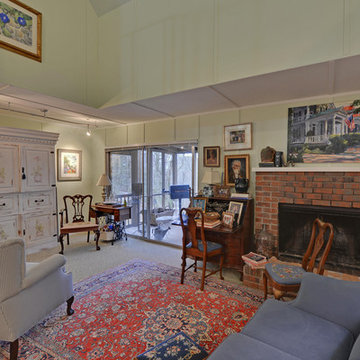
Envision Virtual Tours and High Resolution Photography is your best choice to find just what you are looking for in the Ellijay, Ga. area .Ellijay, Georgia, known as the “Apple Capital” of Georgia, is located between the Ellijay and Cartecay Rivers where they join to make the Coosawattee River and is the county seat of Gilmer County, Georgia. The origin of the city’s name is not certain but thought to be the English derivative of an Indian word(s) meaning “many waters”, “place of green things” or “new ground”. Some histories say it may have been named for an Indian chief.
Inhabited for countless years by the Cherokee people indigenous to the North Georgia, the area was first mentioned as a village and trade center before the onslaught of white settlers inhabited the region. During the 1830’s both white settlers and Indians occupied Ellijay. During the original land lottery in 1832, Martin Scalf acquired the 160 acre lot where the town now stands. In 1833, Clemonds Quinland bought 10 acres from Scalf, retained one acre for himself and donated the rest of the purchase to the County. A plan for twenty town lots, streets and a public square was created and the streets were oriented to allow maximum sunlight exposure to the buildings.
Proceeds from lot sales were used to build a jail and courthouse and pay other city expenses. During this same year, Gilmer County was appropriated $800.00 from the State to build a school, and a three-acre lot was donated for the city cemetery. On December 29, l834, Ellijay was incorporated and designated as the County seat of Gilmer County. By 1837, the town had twenty dwellings, three stores and one attorney. Most of these early buildings were of log construction.
Many roads led to Ellijay by 1849. The population had grown to 150 by 1850 and the town at five stores. Some wood-frame buildings were being constructed at this time and in 1854, a new courthouse was built in the center of the square, replacing the earlier building. The County’s first newspaper was the Ellijay Courier, started in 1875, and during this time period, Ellijay was a stop on the stagecoach line. The railroad bridge over the Cartecay River was completed in 1884 and the town now had rail service.
With the arrival of the railroad and subsequent tracks to White Path, Ellijay began to grow much faster. Many hotels were constructed and land was donated for a depot east of town. More industries, such as a cheese factory and the Shippen Brothers Lumber Mill, located in Ellijay. By 1898, the city had expanded its limits in every direction and now included the depot.
By 1900, all the buildings on the town square were brick. This included the recently completed Hyatt Hotel. Most of the other buildings in town were still of log construction, but new wood-frame buildings were being built. The Shippen Brothers Lumber Company production was expanding and exporting their lumber to Europe. Within the next few decades, this company grew to be one of the largest employers in Ellijay, often with five to six million feet of lumber in the yard at one time.
The population of Ellijay grew to 659 by 1910, and began to acquire many new modern conveniences such as electric lights and power, a telephone company and many new businesses.
Then in 1912, a fire ravaged the city, destroying 23 buildings. As a result, many new buildings were constructed under new and stricter fire and safety guidelines. The population, however, decreased slightly at this time to 632 in 1920.
During the 1920’s the town’s population began to grow again and, by this time, apples were being shipped out of the county and new storage facilities were built. Chickens were also shipped to markets outside of Ellijay and Gilmer County.
From the mid 1930’s to 1950, Ellijay received much assistance from the Federal WPA Programs. The old courthouse was removed from the center of town square and the Hyatt Hotel was remodeled to be the new courthouse. A park was created on the site of the old courthouse and the streets around the square were paved. A new street was built at this time entering town from the northeast. Other new roads, bridges, sidewalks and gutters were constructed to improve the city. A school and gymnasium were also built and other structures improved.
This growth began to impact the city’s infrastructure and in the l950’s and l960’s, a period of upgrading water systems, roads, and power supplies began. New low-rent housing appeared in l960 and a new hospital was built in l957. Georgia Highway 5 was widened in l962, new buildings around the square replaced old ones and some were remodeled. In 1974, the hospital was enlarged.
Currently, Ellijay attracts tourists who love the small-town feel and friendly atmosphere. Hotels and restaurants, unique shops, antiques and art galleries lend their charms to those who visit. A new courthouse constructed to resemble the old one, new streetscaping, family-oriented downtown events and the beautification of the square have stepped up the social and economic activity and have made Ellijay a popular destination.
 Envision Web
Stuart Wade, Envision Virtual Tours, Inc.
Welcome to Sugarloaf Country Club in Duluth, Georgia
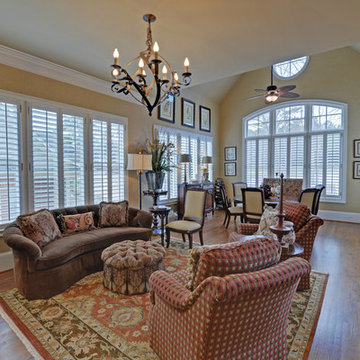
Sugarloaf Country Club is located in prestigious Duluth, Georgia in the heart of Gwinnett County's business and entertainment district. This exquisite gated Country Club community is comprised of an eclectic mix of elegant European Luxury and Executive Estate homes that take inspiration from its deep Southern and equestrian roots. Sugarloaf is minutes from I-85, approximately 40 miles outside of downtown Atlanta.
Anchoring the community is the acclaimed 27 - Hole, Greg Norman designed TPC at Sugarloaf Golf Club. The Antebellum inspired Clubhouse includes fine dining facilities and the course has played host to a number of major professional tournaments. Sugarloaf features a generous mix of up-scale amenities beginning with the Southern charm of the community Sports Center. The center includes fitness and aerobic facilities as well as an impressive professional Tennis complex comprised of a mixture of 14 Hard and Clay courts. Rounding out the amenity offerings are 3 pools, including an Olympic sized competition Pool and Kids pool complete with its own adjacent Waterslide.
Sugarloaf Country Club Amenities:
24 Hour Gated Community
27 - Hole Greg Norman designed TPC Private Membership Golf Club
60, 000 sq ft Southern Classic designed Golf Clubhouse
Fine Dining facilities
Golf Pro Shop
3 Private neighborhood Lakes
14 Tennis Courts (8 - Hard) (6 - Clay)
Tennis Pavilion
Family Fitness and Aerobic Sports Center
Kids Activity Center
Olympic Competition Swimming Pool
Adults Only Leisure Pool
Interactive Kids Pool
Kids Waterslide
Kids Playground area
** HOA Fees - $2,200/annual
** All information and fees subject to change without notice and cannot be guaranteed
 Envision Web
Stuart Wade, Envision Virtual Tours
Envision Virtual Tours and High Resolution Photography is your best choice to find just what you are looking for in the Ellijay, Ga. area .Ellijay, Georgia, known as the “Apple Capital” of Georgia, is located between the Ellijay and Cartecay Rivers where they join to make the Coosawattee River and is the county seat of Gilmer County, Georgia. The origin of the city’s name is not certain but thought to be the English derivative of an Indian word(s) meaning “many waters”, “place of green things” or “new ground”. Some histories say it may have been named for an Indian chief.
Inhabited for countless years by the Cherokee people indigenous to the North Georgia, the area was first mentioned as a village and trade center before the onslaught of white settlers inhabited the region. During the 1830’s both white settlers and Indians occupied Ellijay. During the original land lottery in 1832, Martin Scalf acquired the 160 acre lot where the town now stands. In 1833, Clemonds Quinland bought 10 acres from Scalf, retained one acre for himself and donated the rest of the purchase to the County. A plan for twenty town lots, streets and a public square was created and the streets were oriented to allow maximum sunlight exposure to the buildings.
Proceeds from lot sales were used to build a jail and courthouse and pay other city expenses. During this same year, Gilmer County was appropriated $800.00 from the State to build a school, and a three-acre lot was donated for the city cemetery. On December 29, l834, Ellijay was incorporated and designated as the County seat of Gilmer County. By 1837, the town had twenty dwellings, three stores and one attorney. Most of these early buildings were of log construction.
Many roads led to Ellijay by 1849. The population had grown to 150 by 1850 and the town at five stores. Some wood-frame buildings were being constructed at this time and in 1854, a new courthouse was built in the center of the square, replacing the earlier building. The County’s first newspaper was the Ellijay Courier, started in 1875, and during this time period, Ellijay was a stop on the stagecoach line. The railroad bridge over the Cartecay River was completed in 1884 and the town now had rail service.
With the arrival of the railroad and subsequent tracks to White Path, Ellijay began to grow much faster. Many hotels were constructed and land was donated for a depot east of town. More industries, such as a cheese factory and the Shippen Brothers Lumber Mill, located in Ellijay. By 1898, the city had expanded its limits in every direction and now included the depot.
By 1900, all the buildings on the town square were brick. This included the recently completed Hyatt Hotel. Most of the other buildings in town were still of log construction, but new wood-frame buildings were being built. The Shippen Brothers Lumber Company production was expanding and exporting their lumber to Europe. Within the next few decades, this company grew to be one of the largest employers in Ellijay, often with five to six million feet of lumber in the yard at one time.
The population of Ellijay grew to 659 by 1910, and began to acquire many new modern conveniences such as electric lights and power, a telephone company and many new businesses.
Then in 1912, a fire ravaged the city, destroying 23 buildings. As a result, many new buildings were constructed under new and stricter fire and safety guidelines. The population, however, decreased slightly at this time to 632 in 1920.
During the 1920’s the town’s population began to grow again and, by this time, apples were being shipped out of the county and new storage facilities were built. Chickens were also shipped to markets outside of Ellijay and Gilmer County.
From the mid 1930’s to 1950, Ellijay received much assistance from the Federal WPA Programs. The old courthouse was removed from the center of town square and the Hyatt Hotel was remodeled to be the new courthouse. A park was created on the site of the old courthouse and the streets around the square were paved. A new street was built at this time entering town from the northeast. Other new roads, bridges, sidewalks and gutters were constructed to improve the city. A school and gymnasium were also built and other structures improved.
This growth began to impact the city’s infrastructure and in the l950’s and l960’s, a period of upgrading water systems, roads, and power supplies began. New low-rent housing appeared in l960 and a new hospital was built in l957. Georgia Highway 5 was widened in l962, new buildings around the square replaced old ones and some were remodeled. In 1974, the hospital was enlarged.
Currently, Ellijay attracts tourists who love the small-town feel and friendly atmosphere. Hotels and restaurants, unique shops, antiques and art galleries lend their charms to those who visit. A new courthouse constructed to resemble the old one, new streetscaping, family-oriented downtown events and the beautification of the square have stepped up the social and economic activity and have made Ellijay a popular destination.
Find the right local pro for your project
 Main Line Kitchen Design
Our Approach
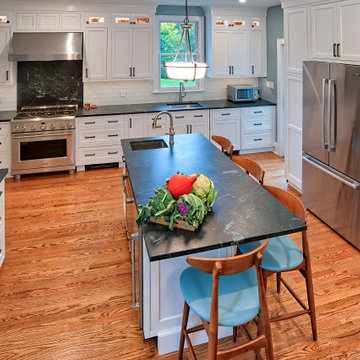
Main Line Kitchen Design is a unique business model! We are a group of skilled Kitchen Designers each with many years of experience planning kitchens around the Delaware Valley. And we are cabinet dealers for 8 nationally distributed cabinet lines much like traditional showrooms.
Appointment Information
Unlike full showrooms open to the general public, Main Line Kitchen Design works only by appointment. Appointments can be scheduled days, nights, and weekends either in your home or in our office and selection center. During office appointments we display clients kitchens on a flat screen TV and help them look through 100’s of sample doorstyles, almost a thousand sample finish blocks and sample kitchen cabinets. During home visits we can bring samples, take measurements, and make design changes on laptops showing you what your kitchen can look like in the very room being renovated. This is more convenient for our customers and it eliminates the expense of staffing and maintaining a larger space that is open to walk in traffic. We pass the significant savings on to our customers and so we sell cabinetry for less than other dealers, even home centers like Lowes and The Home Depot.
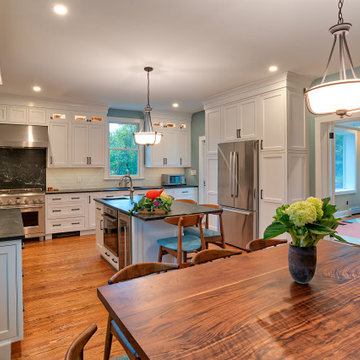
We believe that since a web site like Houzz.com has over half a million kitchen photos, any advantage to going to a full kitchen showroom with full kitchen displays has been lost. Almost no customer today will ever get to see a display kitchen in their door style and finish because there are just too many possibilities. And the design of each kitchen is unique anyway. Our design process allows us to spend more time working on our customer’s designs. This is what we enjoy most about our business and it is what makes the difference between an average and a great kitchen design. Among the kitchen cabinet lines we design with and sell are Jim Bishop, 6 Square, Fabuwood, Brighton, and Wellsford Fine Custom Cabinetry. Links to these lines can be found at the bottom of this and all of our web pages. Simply click on the logos of each cabinet line to reach their web site.
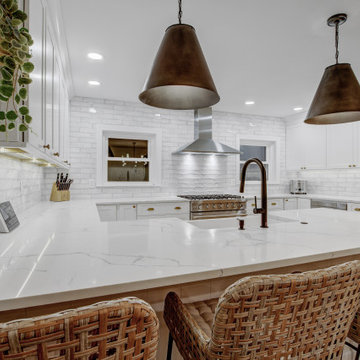 Main Line Kitchen Design
Main Line Kitchen Design has a different business model than other kitchen showrooms, designers, and cabinetry dealers. The difference helps us to do five important things better than our competitors.
The kitchens we sell are better designed and our designers are more experienced. This is because we insist on showing customers designs we recommend, BEFORE, we do a design they request. This way, final designs tend to be more collaborative and professional. Our designers are more experienced because they are better paid and design with more cabinet brands than at other dealers.
Our pricing for cabinets is less than other cabinet dealers. This is because we do not have a showroom open to the public, and we require a small deposit and a screening before we accept customers. This helps our designers spend their time more effectively. And, it eliminates 80% of the overhead kitchen showrooms spend on staffing, larger displays, and on a curbside location.
We carry more brands of cabinetry than other dealers. This is possible because we display one cabinet for each brand we sell. Through glass countertops clients can examine a brands construction quality, and we display the door styles and finishes of our brands. Instead of the larger displays customers see in traditional showrooms, our customers can view 5 million kitchens on Houzz.com, or the hundreds of our kitchen renovations we show on Houzz, our web site, and in framed photos on the walls of our office building.
Kitchen construction is often better organized and generally costs less. This is because we recommend general contractors free of charge. They supervise construction from scheduling to completion. This eliminates a middleman, reduces delays, and eliminates the fees that almost all showrooms and home centers charge their customers. We are also happy to work with any contractor a customer finds on their own. If we haven’t worked with that contractor before they may need more of our direction, but both companies can benefit from working together and possibly referring each other in the future.
Less problems arise, and if they do, they are handled more quickly. This is because every kitchen we sell is reviewed by at least 3 kitchen designers during the ordering process. Our Operations Manager Ed Sossich checks orders and schedules all warehouse and home deliveries. Our delivery manager Mark Mitten supervises every delivery and checks in each cabinet and part. And our CRM system, Monday, prompts each person responsible for each phase of a customer’s kitchen with automated alerts. This keeps things moving, even during supply chain disruptions, and ensures no step is overlooked.
Main Line Kitchen Design’s company slogan is “The world of kitchen design is changing . . . “. We pride ourselves on being innovative in everything we do. From our web site and how we advertise, to the gift we send each customer upon the completion of their kitchen.
Our business model helps us receive 100’s of 5-star reviews, and makes our kitchen projects more enjoyable for everyone.
We look forward to working with you.
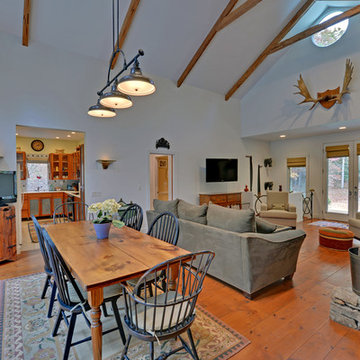 Envision Web
Stuart Wade, Envision Virtual Tours
Envision Virtual Tours and High Resolution Photography is your best choice to find just what you are looking for in the Ellijay, Ga. area .Ellijay, Georgia, known as the “Apple Capital” of Georgia, is located between the Ellijay and Cartecay Rivers where they join to make the Coosawattee River and is the county seat of Gilmer County, Georgia. The origin of the city’s name is not certain but thought to be the English derivative of an Indian word(s) meaning “many waters”, “place of green things” or “new ground”. Some histories say it may have been named for an Indian chief.
Inhabited for countless years by the Cherokee people indigenous to the North Georgia, the area was first mentioned as a village and trade center before the onslaught of white settlers inhabited the region. During the 1830’s both white settlers and Indians occupied Ellijay. During the original land lottery in 1832, Martin Scalf acquired the 160 acre lot where the town now stands. In 1833, Clemonds Quinland bought 10 acres from Scalf, retained one acre for himself and donated the rest of the purchase to the County. A plan for twenty town lots, streets and a public square was created and the streets were oriented to allow maximum sunlight exposure to the buildings.
Proceeds from lot sales were used to build a jail and courthouse and pay other city expenses. During this same year, Gilmer County was appropriated $800.00 from the State to build a school, and a three-acre lot was donated for the city cemetery. On December 29, l834, Ellijay was incorporated and designated as the County seat of Gilmer County. By 1837, the town had twenty dwellings, three stores and one attorney. Most of these early buildings were of log construction.
Many roads led to Ellijay by 1849. The population had grown to 150 by 1850 and the town at five stores. Some wood-frame buildings were being constructed at this time and in 1854, a new courthouse was built in the center of the square, replacing the earlier building. The County’s first newspaper was the Ellijay Courier, started in 1875, and during this time period, Ellijay was a stop on the stagecoach line. The railroad bridge over the Cartecay River was completed in 1884 and the town now had rail service.
With the arrival of the railroad and subsequent tracks to White Path, Ellijay began to grow much faster. Many hotels were constructed and land was donated for a depot east of town. More industries, such as a cheese factory and the Shippen Brothers Lumber Mill, located in Ellijay. By 1898, the city had expanded its limits in every direction and now included the depot.
By 1900, all the buildings on the town square were brick. This included the recently completed Hyatt Hotel. Most of the other buildings in town were still of log construction, but new wood-frame buildings were being built. The Shippen Brothers Lumber Company production was expanding and exporting their lumber to Europe. Within the next few decades, this company grew to be one of the largest employers in Ellijay, often with five to six million feet of lumber in the yard at one time.
The population of Ellijay grew to 659 by 1910, and began to acquire many new modern conveniences such as electric lights and power, a telephone company and many new businesses.
Then in 1912, a fire ravaged the city, destroying 23 buildings. As a result, many new buildings were constructed under new and stricter fire and safety guidelines. The population, however, decreased slightly at this time to 632 in 1920.
During the 1920’s the town’s population began to grow again and, by this time, apples were being shipped out of the county and new storage facilities were built. Chickens were also shipped to markets outside of Ellijay and Gilmer County.
From the mid 1930’s to 1950, Ellijay received much assistance from the Federal WPA Programs. The old courthouse was removed from the center of town square and the Hyatt Hotel was remodeled to be the new courthouse. A park was created on the site of the old courthouse and the streets around the square were paved. A new street was built at this time entering town from the northeast. Other new roads, bridges, sidewalks and gutters were constructed to improve the city. A school and gymnasium were also built and other structures improved.
This growth began to impact the city’s infrastructure and in the l950’s and l960’s, a period of upgrading water systems, roads, and power supplies began. New low-rent housing appeared in l960 and a new hospital was built in l957. Georgia Highway 5 was widened in l962, new buildings around the square replaced old ones and some were remodeled. In 1974, the hospital was enlarged.
Currently, Ellijay attracts tourists who love the small-town feel and friendly atmosphere. Hotels and restaurants, unique shops, antiques and art galleries lend their charms to those who visit. A new courthouse constructed to resemble the old one, new streetscaping, family-oriented downtown events and the beautification of the square have stepped up the social and economic activity and have made Ellijay a popular destination.
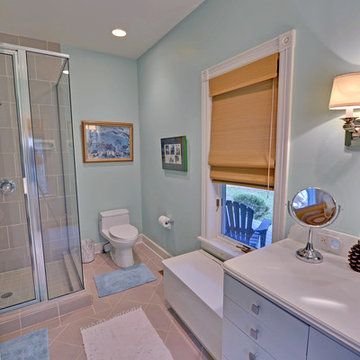 Envision Web
Stuart Wade, Envision Virtual Tours
Envision Virtual Tours and High Resolution Photography is your best choice to find just what you are looking for in the Ellijay, Ga. area .Ellijay, Georgia, known as the “Apple Capital” of Georgia, is located between the Ellijay and Cartecay Rivers where they join to make the Coosawattee River and is the county seat of Gilmer County, Georgia. The origin of the city’s name is not certain but thought to be the English derivative of an Indian word(s) meaning “many waters”, “place of green things” or “new ground”. Some histories say it may have been named for an Indian chief.
Inhabited for countless years by the Cherokee people indigenous to the North Georgia, the area was first mentioned as a village and trade center before the onslaught of white settlers inhabited the region. During the 1830’s both white settlers and Indians occupied Ellijay. During the original land lottery in 1832, Martin Scalf acquired the 160 acre lot where the town now stands. In 1833, Clemonds Quinland bought 10 acres from Scalf, retained one acre for himself and donated the rest of the purchase to the County. A plan for twenty town lots, streets and a public square was created and the streets were oriented to allow maximum sunlight exposure to the buildings.
Proceeds from lot sales were used to build a jail and courthouse and pay other city expenses. During this same year, Gilmer County was appropriated $800.00 from the State to build a school, and a three-acre lot was donated for the city cemetery. On December 29, l834, Ellijay was incorporated and designated as the County seat of Gilmer County. By 1837, the town had twenty dwellings, three stores and one attorney. Most of these early buildings were of log construction.
Many roads led to Ellijay by 1849. The population had grown to 150 by 1850 and the town at five stores. Some wood-frame buildings were being constructed at this time and in 1854, a new courthouse was built in the center of the square, replacing the earlier building. The County’s first newspaper was the Ellijay Courier, started in 1875, and during this time period, Ellijay was a stop on the stagecoach line. The railroad bridge over the Cartecay River was completed in 1884 and the town now had rail service.
With the arrival of the railroad and subsequent tracks to White Path, Ellijay began to grow much faster. Many hotels were constructed and land was donated for a depot east of town. More industries, such as a cheese factory and the Shippen Brothers Lumber Mill, located in Ellijay. By 1898, the city had expanded its limits in every direction and now included the depot.
By 1900, all the buildings on the town square were brick. This included the recently completed Hyatt Hotel. Most of the other buildings in town were still of log construction, but new wood-frame buildings were being built. The Shippen Brothers Lumber Company production was expanding and exporting their lumber to Europe. Within the next few decades, this company grew to be one of the largest employers in Ellijay, often with five to six million feet of lumber in the yard at one time.
The population of Ellijay grew to 659 by 1910, and began to acquire many new modern conveniences such as electric lights and power, a telephone company and many new businesses.
Then in 1912, a fire ravaged the city, destroying 23 buildings. As a result, many new buildings were constructed under new and stricter fire and safety guidelines. The population, however, decreased slightly at this time to 632 in 1920.
During the 1920’s the town’s population began to grow again and, by this time, apples were being shipped out of the county and new storage facilities were built. Chickens were also shipped to markets outside of Ellijay and Gilmer County.
From the mid 1930’s to 1950, Ellijay received much assistance from the Federal WPA Programs. The old courthouse was removed from the center of town square and the Hyatt Hotel was remodeled to be the new courthouse. A park was created on the site of the old courthouse and the streets around the square were paved. A new street was built at this time entering town from the northeast. Other new roads, bridges, sidewalks and gutters were constructed to improve the city. A school and gymnasium were also built and other structures improved.
This growth began to impact the city’s infrastructure and in the l950’s and l960’s, a period of upgrading water systems, roads, and power supplies began. New low-rent housing appeared in l960 and a new hospital was built in l957. Georgia Highway 5 was widened in l962, new buildings around the square replaced old ones and some were remodeled. In 1974, the hospital was enlarged.
Currently, Ellijay attracts tourists who love the small-town feel and friendly atmosphere. Hotels and restaurants, unique shops, antiques and art galleries lend their charms to those who visit. A new courthouse constructed to resemble the old one, new streetscaping, family-oriented downtown events and the beautification of the square have stepped up the social and economic activity and have made Ellijay a popular destination.
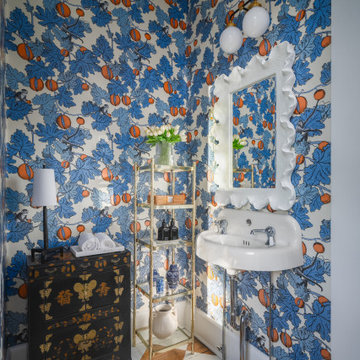
Sponsored
Columbus, OH

Wannemacher Interiors
Customized Award-Winning Interior Design Solutions in Franklin Cnty OH
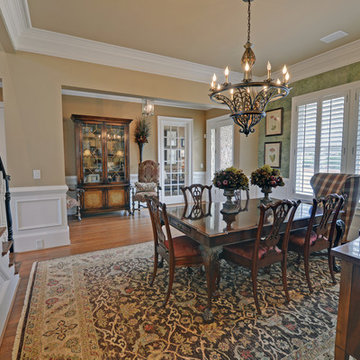 Envision Web
Stuart Wade, Envision Virtual Tours, Inc.
Welcome to Sugarloaf Country Club in Duluth, Georgia
Sugarloaf Country Club is located in prestigious Duluth, Georgia in the heart of Gwinnett County's business and entertainment district. This exquisite gated Country Club community is comprised of an eclectic mix of elegant European Luxury and Executive Estate homes that take inspiration from its deep Southern and equestrian roots. Sugarloaf is minutes from I-85, approximately 40 miles outside of downtown Atlanta.
Anchoring the community is the acclaimed 27 - Hole, Greg Norman designed TPC at Sugarloaf Golf Club. The Antebellum inspired Clubhouse includes fine dining facilities and the course has played host to a number of major professional tournaments. Sugarloaf features a generous mix of up-scale amenities beginning with the Southern charm of the community Sports Center. The center includes fitness and aerobic facilities as well as an impressive professional Tennis complex comprised of a mixture of 14 Hard and Clay courts. Rounding out the amenity offerings are 3 pools, including an Olympic sized competition Pool and Kids pool complete with its own adjacent Waterslide.
Sugarloaf Country Club Amenities:
24 Hour Gated Community
27 - Hole Greg Norman designed TPC Private Membership Golf Club
60, 000 sq ft Southern Classic designed Golf Clubhouse
Fine Dining facilities
Golf Pro Shop
3 Private neighborhood Lakes
14 Tennis Courts (8 - Hard) (6 - Clay)
Tennis Pavilion
Family Fitness and Aerobic Sports Center
Kids Activity Center
Olympic Competition Swimming Pool
Adults Only Leisure Pool
Interactive Kids Pool
Kids Waterslide
Kids Playground area
** HOA Fees - $2,200/annual
** All information and fees subject to change without notice and cannot be guaranteed
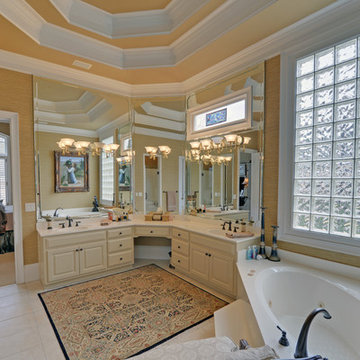 Envision Web
Stuart Wade, Envision Virtual Tours, Inc.
Welcome to Sugarloaf Country Club in Duluth, Georgia
Sugarloaf Country Club is located in prestigious Duluth, Georgia in the heart of Gwinnett County's business and entertainment district. This exquisite gated Country Club community is comprised of an eclectic mix of elegant European Luxury and Executive Estate homes that take inspiration from its deep Southern and equestrian roots. Sugarloaf is minutes from I-85, approximately 40 miles outside of downtown Atlanta.
Anchoring the community is the acclaimed 27 - Hole, Greg Norman designed TPC at Sugarloaf Golf Club. The Antebellum inspired Clubhouse includes fine dining facilities and the course has played host to a number of major professional tournaments. Sugarloaf features a generous mix of up-scale amenities beginning with the Southern charm of the community Sports Center. The center includes fitness and aerobic facilities as well as an impressive professional Tennis complex comprised of a mixture of 14 Hard and Clay courts. Rounding out the amenity offerings are 3 pools, including an Olympic sized competition Pool and Kids pool complete with its own adjacent Waterslide.
Sugarloaf Country Club Amenities:
24 Hour Gated Community
27 - Hole Greg Norman designed TPC Private Membership Golf Club
60, 000 sq ft Southern Classic designed Golf Clubhouse
Fine Dining facilities
Golf Pro Shop
3 Private neighborhood Lakes
14 Tennis Courts (8 - Hard) (6 - Clay)
Tennis Pavilion
Family Fitness and Aerobic Sports Center
Kids Activity Center
Olympic Competition Swimming Pool
Adults Only Leisure Pool
Interactive Kids Pool
Kids Waterslide
Kids Playground area
** HOA Fees - $2,200/annual
** All information and fees subject to change without notice and cannot be guaranteed
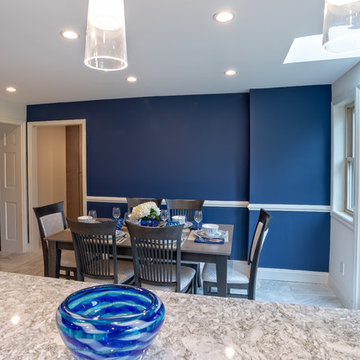 Main Line Kitchen Design
Main Line Kitchen Design is a unique business model! We are a group of skilled Kitchen Designers each with many years of experience planning kitchens around the Delaware Valley. And we are cabinet dealers for 8 nationally distributed cabinet lines much like traditional showrooms.
Appointment Information
Unlike full showrooms open to the general public, Main Line Kitchen Design works only by appointment. Appointments can be scheduled days, nights, and weekends either in your home or in our office and selection center. During office appointments we display clients kitchens on a flat screen TV and help them look through 100’s of sample doorstyles, almost a thousand sample finish blocks and sample kitchen cabinets. During home visits we can bring samples, take measurements, and make design changes on laptops showing you what your kitchen can look like in the very room being renovated. This is more convenient for our customers and it eliminates the expense of staffing and maintaining a larger space that is open to walk in traffic. We pass the significant savings on to our customers and so we sell cabinetry for less than other dealers, even home centers like Lowes and The Home Depot.
We believe that since a web site like Houzz.com has over half a million kitchen photos, any advantage to going to a full kitchen showroom with full kitchen displays has been lost. Almost no customer today will ever get to see a display kitchen in their door style and finish because there are just too many possibilities. And the design of each kitchen is unique anyway. Our design process allows us to spend more time working on our customer’s designs. This is what we enjoy most about our business and it is what makes the difference between an average and a great kitchen design. Among the kitchen cabinet lines we design with and sell are Jim Bishop, 6 Square, Fabuwood, Brighton, and Wellsford Fine Custom Cabinetry. Links to these lines can be found at the bottom of this and all of our web pages. Simply click on the logos of each cabinet line to reach their web site.
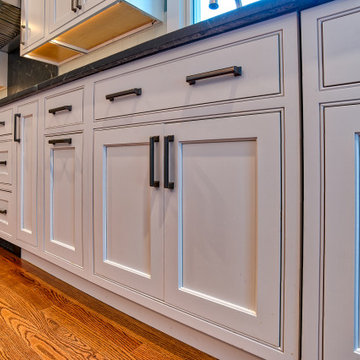 Main Line Kitchen Design
Our Approach
Main Line Kitchen Design is a unique business model! We are a group of skilled Kitchen Designers each with many years of experience planning kitchens around the Delaware Valley. And we are cabinet dealers for 8 nationally distributed cabinet lines much like traditional showrooms.
Appointment Information
Unlike full showrooms open to the general public, Main Line Kitchen Design works only by appointment. Appointments can be scheduled days, nights, and weekends either in your home or in our office and selection center. During office appointments we display clients kitchens on a flat screen TV and help them look through 100’s of sample doorstyles, almost a thousand sample finish blocks and sample kitchen cabinets. During home visits we can bring samples, take measurements, and make design changes on laptops showing you what your kitchen can look like in the very room being renovated. This is more convenient for our customers and it eliminates the expense of staffing and maintaining a larger space that is open to walk in traffic. We pass the significant savings on to our customers and so we sell cabinetry for less than other dealers, even home centers like Lowes and The Home Depot.
We believe that since a web site like Houzz.com has over half a million kitchen photos, any advantage to going to a full kitchen showroom with full kitchen displays has been lost. Almost no customer today will ever get to see a display kitchen in their door style and finish because there are just too many possibilities. And the design of each kitchen is unique anyway. Our design process allows us to spend more time working on our customer’s designs. This is what we enjoy most about our business and it is what makes the difference between an average and a great kitchen design. Among the kitchen cabinet lines we design with and sell are Jim Bishop, 6 Square, Fabuwood, Brighton, and Wellsford Fine Custom Cabinetry. Links to these lines can be found at the bottom of this and all of our web pages. Simply click on the logos of each cabinet line to reach their web site.
 Main Line Kitchen Design
Our Approach
Main Line Kitchen Design is a unique business model! We are a group of skilled Kitchen Designers each with many years of experience planning kitchens around the Delaware Valley. And we are cabinet dealers for 8 nationally distributed cabinet lines much like traditional showrooms.
Appointment Information
Unlike full showrooms open to the general public, Main Line Kitchen Design works only by appointment. Appointments can be scheduled days, nights, and weekends either in your home or in our office and selection center. During office appointments we display clients kitchens on a flat screen TV and help them look through 100’s of sample doorstyles, almost a thousand sample finish blocks and sample kitchen cabinets. During home visits we can bring samples, take measurements, and make design changes on laptops showing you what your kitchen can look like in the very room being renovated. This is more convenient for our customers and it eliminates the expense of staffing and maintaining a larger space that is open to walk in traffic. We pass the significant savings on to our customers and so we sell cabinetry for less than other dealers, even home centers like Lowes and The Home Depot.
We believe that since a web site like Houzz.com has over half a million kitchen photos, any advantage to going to a full kitchen showroom with full kitchen displays has been lost. Almost no customer today will ever get to see a display kitchen in their door style and finish because there are just too many possibilities. And the design of each kitchen is unique anyway. Our design process allows us to spend more time working on our customer’s designs. This is what we enjoy most about our business and it is what makes the difference between an average and a great kitchen design. Among the kitchen cabinet lines we design with and sell are Jim Bishop, 6 Square, Fabuwood, Brighton, and Wellsford Fine Custom Cabinetry. Links to these lines can be found at the bottom of this and all of our web pages. Simply click on the logos of each cabinet line to reach their web site.
 Envision Web
Stuart Wade, Envision Virtual Tours
Envision Virtual Tours and High Resolution Photography is your best choice to find just what you are looking for in the Ellijay, Ga. area .Ellijay, Georgia, known as the “Apple Capital” of Georgia, is located between the Ellijay and Cartecay Rivers where they join to make the Coosawattee River and is the county seat of Gilmer County, Georgia. The origin of the city’s name is not certain but thought to be the English derivative of an Indian word(s) meaning “many waters”, “place of green things” or “new ground”. Some histories say it may have been named for an Indian chief.
Inhabited for countless years by the Cherokee people indigenous to the North Georgia, the area was first mentioned as a village and trade center before the onslaught of white settlers inhabited the region. During the 1830’s both white settlers and Indians occupied Ellijay. During the original land lottery in 1832, Martin Scalf acquired the 160 acre lot where the town now stands. In 1833, Clemonds Quinland bought 10 acres from Scalf, retained one acre for himself and donated the rest of the purchase to the County. A plan for twenty town lots, streets and a public square was created and the streets were oriented to allow maximum sunlight exposure to the buildings.
Proceeds from lot sales were used to build a jail and courthouse and pay other city expenses. During this same year, Gilmer County was appropriated $800.00 from the State to build a school, and a three-acre lot was donated for the city cemetery. On December 29, l834, Ellijay was incorporated and designated as the County seat of Gilmer County. By 1837, the town had twenty dwellings, three stores and one attorney. Most of these early buildings were of log construction.
Many roads led to Ellijay by 1849. The population had grown to 150 by 1850 and the town at five stores. Some wood-frame buildings were being constructed at this time and in 1854, a new courthouse was built in the center of the square, replacing the earlier building. The County’s first newspaper was the Ellijay Courier, started in 1875, and during this time period, Ellijay was a stop on the stagecoach line. The railroad bridge over the Cartecay River was completed in 1884 and the town now had rail service.
With the arrival of the railroad and subsequent tracks to White Path, Ellijay began to grow much faster. Many hotels were constructed and land was donated for a depot east of town. More industries, such as a cheese factory and the Shippen Brothers Lumber Mill, located in Ellijay. By 1898, the city had expanded its limits in every direction and now included the depot.
By 1900, all the buildings on the town square were brick. This included the recently completed Hyatt Hotel. Most of the other buildings in town were still of log construction, but new wood-frame buildings were being built. The Shippen Brothers Lumber Company production was expanding and exporting their lumber to Europe. Within the next few decades, this company grew to be one of the largest employers in Ellijay, often with five to six million feet of lumber in the yard at one time.
The population of Ellijay grew to 659 by 1910, and began to acquire many new modern conveniences such as electric lights and power, a telephone company and many new businesses.
Then in 1912, a fire ravaged the city, destroying 23 buildings. As a result, many new buildings were constructed under new and stricter fire and safety guidelines. The population, however, decreased slightly at this time to 632 in 1920.
During the 1920’s the town’s population began to grow again and, by this time, apples were being shipped out of the county and new storage facilities were built. Chickens were also shipped to markets outside of Ellijay and Gilmer County.
From the mid 1930’s to 1950, Ellijay received much assistance from the Federal WPA Programs. The old courthouse was removed from the center of town square and the Hyatt Hotel was remodeled to be the new courthouse. A park was created on the site of the old courthouse and the streets around the square were paved. A new street was built at this time entering town from the northeast. Other new roads, bridges, sidewalks and gutters were constructed to improve the city. A school and gymnasium were also built and other structures improved.
This growth began to impact the city’s infrastructure and in the l950’s and l960’s, a period of upgrading water systems, roads, and power supplies began. New low-rent housing appeared in l960 and a new hospital was built in l957. Georgia Highway 5 was widened in l962, new buildings around the square replaced old ones and some were remodeled. In 1974, the hospital was enlarged.
Currently, Ellijay attracts tourists who love the small-town feel and friendly atmosphere. Hotels and restaurants, unique shops, antiques and art galleries lend their charms to those who visit. A new courthouse constructed to resemble the old one, new streetscaping, family-oriented downtown events and the beautification of the square have stepped up the social and economic activity and have made Ellijay a popular destination.
Sponsored
Columbus, OH
Wannemacher Interiors
Customized Award-Winning Interior Design Solutions in Franklin Cnty OH


 SS
SSTop Real Estate App Development Companies Delivering Smart PropTech Solutions
The real estate industry is experiencing a revolution in technology as there have been developments in the form of mobile applications, which have now become essential tools and prove to be an integral part for buyers and sellers as well as agents and developers in this industry. The application of technology in the form of virtual tours and property recommendations through artificial intelligence and other such technology has brought about a new way of doing real estate business. It has been found out through statistics that the PropTech industry will experience considerable growth in the next decade due to the increased use of smartphones, cloud computing, and artificial intelligence.
Why Real Estate Apps Are Transforming the PropTech Industry
The introduction of digital platforms has revolutionized the way people search for, assess, and buy properties. Modern real estate software ensures easy access to property listings, neighborhood information, mortgage calculators, virtual tours, and direct contact with real estate agents, thus cutting out many of the obstacles that were part of the purchasing process. Real Estate App Development allows companies to manage properties efficiently, automatically generate leads, effectively handle customers, and make informed decisions. The inclusion of artificial intelligence and digital transactions makes the experience of using these apps even more efficient.
List of Top Real Estate App Development Companies in the Global Market
1. Suffescom Solutions
Suffescom Solutions is a mobile app development company specializing in Real Estate App Development for startups, real estate agencies, property management firms, and enterprises. The company develops scalable, feature-rich applications that simplify property discovery, virtual tours, lead management, and secure digital transactions. By integrating advanced technologies such as AI, AR/VR, cloud computing, and location intelligence, Suffescom Solutions helps businesses build intuitive PropTech platforms that enhance customer engagement and operational efficiency. The company also focuses on customization, security, and post-launch support to ensure long-term business success.
Key Features
Custom real estate application development
AI-powered property recommendations
Property listing management
Interactive map integration
Virtual property tours
CRM integration
Secure payment gateway
Multi-platform development
Cloud-native architecture
Maintenance and support
2. RisingMax
RisingMax develops innovative digital solutions for businesses seeking advanced PropTech platforms. Its expertise in Real Estate App Development enables companies to launch scalable property applications equipped with intelligent search capabilities, real-time property updates, and secure communication tools. RisingMax combines modern UI/UX practices with cloud technologies to deliver applications that improve customer engagement and simplify property management.
Key Features
Cross-platform app development
AI-enabled property search
Property management dashboard
Cloud deployment
Push notifications
Digital payment integration
Analytics and reporting
API integration
Secure authentication
Ongoing technical support
3. Ascendix Technologies
Ascendix Technologies is known for developing enterprise-grade PropTech software for commercial and residential real estate businesses. The company focuses on building customized applications that streamline property management, brokerage operations, customer engagement, and business workflows. Its expertise includes CRM development, cloud solutions, and data analytics, enabling businesses to manage property portfolios more efficiently.
Key Features
Enterprise real estate solutions
CRM integration
Commercial property management
Cloud infrastructure
Advanced analytics
Workflow automation
Custom software development
Secure data management
API connectivity
Long-term support
4. WillowTree
WillowTree develops premium mobile applications across various industries, including real estate and digital commerce. The company creates user-centric property applications that emphasize intuitive navigation, personalized property recommendations, and engaging digital experiences. Its development approach combines robust engineering with modern design principles to build scalable PropTech platforms for growing businesses.
Key Features
Mobile-first development
Personalized user experience
Property search optimization
Cloud-native architecture
Interactive UI/UX
Analytics integration
Secure user authentication
Multi-device compatibility
Third-party integrations
Continuous optimization
5. Unico Connect
Unico Connect specializes in delivering customized digital products for startups and enterprises, including Real Estate App Development solutions. The company builds scalable applications that simplify property listings, communication, lead management, and customer engagement while integrating cloud technologies for improved business performance.
Key Features
Custom property applications
Cloud-based infrastructure
Real-time messaging
Lead management system
Property listing platform
API integration
Digital documentation
Performance analytics
Secure payment integration
Ongoing maintenance
6. Trango Tech
Trango Tech develops intelligent mobile solutions that help real estate businesses digitize property management and customer interactions. Its applications support advanced search functionality, location-based services, secure transactions, and AI-powered recommendations. The company focuses on scalable software architecture that supports long-term business growth and operational efficiency.
Key Features
Property marketplace development
AI-powered recommendations
Interactive map integration
GPS-enabled search
Digital document management
User analytics
Cross-platform applications
Secure backend systems
CRM connectivity
Cloud deployment
7. MindInventory
MindInventory is a software development company delivering digital transformation solutions across multiple industries, including real estate. Its Real Estate App Development services include modern property applications that combine intuitive interfaces with advanced technologies such as AI, IoT, and cloud computing. The company focuses on creating engaging user experiences while ensuring scalability, security, and seamless business operations.
Key Features
AI-enabled property applications
Cloud-native development
Property management tools
Interactive dashboards
IoT integration
User engagement features
Third-party API integration
Business intelligence reporting
Secure infrastructure
Continuous technical support
Essential Features Every Modern Real Estate App Should Include
Successful Real Estate App Development requires more than attractive property listings. Modern applications must provide seamless experiences for buyers, sellers, agents, and property managers while simplifying transactions and communication.
• User Registration and Profile Management
Allow buyers, sellers, agents, and administrators to create personalized accounts with secure authentication and profile customization.
• Advanced Property Search
Provide powerful filters based on location, property type, price range, amenities, size, and availability to improve property discovery.
• Interactive Maps
Integrate GPS-enabled maps that display nearby schools, hospitals, transportation hubs, restaurants, and neighborhood information.
• High-Quality Property Listings
Support multiple images, HD videos, floor plans, property specifications, and detailed descriptions for each listing.
• Virtual Tours
Enable immersive 360-degree property walkthroughs using AR/VR technology to improve buyer confidence before physical visits.
• AI-Powered Property Recommendations
Use artificial intelligence to recommend properties based on user preferences, browsing behavior, and previous searches.
• Real-Time Chat and Messaging
Facilitate instant communication between buyers, sellers, and agents for faster inquiry resolution.
• Mortgage Calculator
Help users estimate monthly payments, loan eligibility, and financing options directly within the application.
• Appointment Scheduling
Allow users to schedule property visits, virtual meetings, or consultations with agents through integrated calendars.
• Secure Digital Payments
Support booking fees, deposits, subscription payments, and service charges through encrypted payment gateways.
• Document Management
Store contracts, agreements, ownership documents, inspection reports, and legal paperwork securely within the application.
• Push Notifications
Notify users about new listings, price changes, scheduled visits, document approvals, and promotional offers.
• Admin Dashboard
Provide centralized control over users, listings, transactions, content moderation, analytics, and platform management.
• Analytics and Reporting
Offer detailed insights into customer behavior, listing performance, lead generation, conversions, and revenue growth.
• Strong Security
Implement encrypted communications, secure authentication, role-based access control, data privacy measures, and regulatory compliance.
Emerging Trends Shaping the Future of Real Estate App Development
The future of Real Estate App Development is being driven by intelligent technologies that improve decision-making, customer experiences, and operational efficiency throughout the property lifecycle.
Artificial intelligence is transforming property discovery by delivering personalized recommendations, predictive pricing models, and automated customer support. Machine learning algorithms analyze user preferences and market trends to recommend relevant properties while helping businesses generate qualified leads more effectively.
Augmented reality (AR) and virtual reality (VR) are becoming essential components of digital property experiences. Virtual property tours allow buyers to explore homes remotely, reducing travel time and accelerating purchasing decisions.
Another significant trend is IoT integration within smart properties. Connected devices enable users to monitor energy consumption, security systems, lighting, and climate control directly through mobile applications, enhancing property value and user convenience.
Finally, sustainability is becoming an important focus. Modern real estate platforms increasingly highlight green-certified buildings, energy-efficient homes, and environmentally friendly construction projects to meet changing buyer preferences.
Conclusion
The rapid evolution of the PropTech sector has made Real Estate App Development an essential investment for businesses aiming to deliver seamless, technology-driven property experiences. From AI-powered property recommendations and immersive virtual tours to secure digital transactions and cloud-based management systems, modern applications are transforming every stage of the real estate journey. Selecting an experienced development company with expertise in emerging technologies, scalable architecture, and user-centric design is crucial for building a competitive digital platform. As customer expectations continue to evolve, organizations that invest in innovative real estate applications will be better positioned to improve operational efficiency, strengthen customer relationships, and achieve long-term growth in the digital property marketplace.
FAQs
1. What is Real Estate App Development?
Real Estate App Development involves building mobile or web applications that help users buy, sell, rent, and manage properties through digital platforms.
2. How much does Real Estate App Development cost?
Development costs vary based on features, platforms, integrations, UI/UX complexity, and technology requirements, ranging from basic to enterprise-grade solutions.
3. Which features are essential in a real estate app?
Core features include property listings, advanced search, virtual tours, GPS maps, messaging, appointment scheduling, payment integration, and analytics dashboards.
4. Why should businesses invest in Real Estate App Development?
It enhances customer engagement, streamlines property management, increases lead generation, supports digital transactions, and helps businesses stay competitive in the evolving PropTech market.
 Envision Web
Stuart Wade, Envision Virtual Tours, Inc.
Welcome to Sugarloaf Country Club in Duluth, Georgia
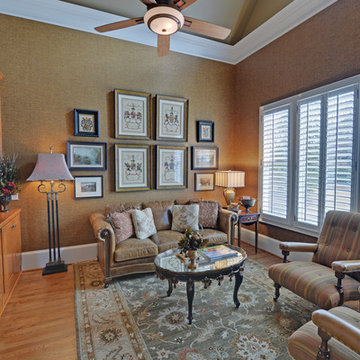
Sugarloaf Country Club is located in prestigious Duluth, Georgia in the heart of Gwinnett County's business and entertainment district. This exquisite gated Country Club community is comprised of an eclectic mix of elegant European Luxury and Executive Estate homes that take inspiration from its deep Southern and equestrian roots. Sugarloaf is minutes from I-85, approximately 40 miles outside of downtown Atlanta.
Anchoring the community is the acclaimed 27 - Hole, Greg Norman designed TPC at Sugarloaf Golf Club. The Antebellum inspired Clubhouse includes fine dining facilities and the course has played host to a number of major professional tournaments. Sugarloaf features a generous mix of up-scale amenities beginning with the Southern charm of the community Sports Center. The center includes fitness and aerobic facilities as well as an impressive professional Tennis complex comprised of a mixture of 14 Hard and Clay courts. Rounding out the amenity offerings are 3 pools, including an Olympic sized competition Pool and Kids pool complete with its own adjacent Waterslide.
Sugarloaf Country Club Amenities:
24 Hour Gated Community
27 - Hole Greg Norman designed TPC Private Membership Golf Club
60, 000 sq ft Southern Classic designed Golf Clubhouse
Fine Dining facilities
Golf Pro Shop
3 Private neighborhood Lakes
14 Tennis Courts (8 - Hard) (6 - Clay)
Tennis Pavilion
Family Fitness and Aerobic Sports Center
Kids Activity Center
Olympic Competition Swimming Pool
Adults Only Leisure Pool
Interactive Kids Pool
Kids Waterslide
Kids Playground area
** HOA Fees - $2,200/annual
** All information and fees subject to change without notice and cannot be guaranteed
 Main Line Kitchen Design
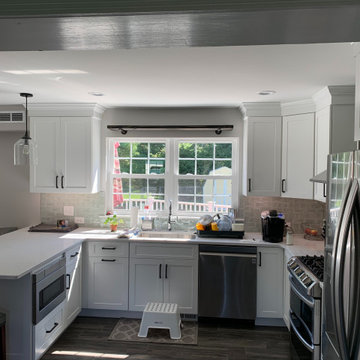
Main Line Kitchen Design is a unique business model! We are a group of skilled Kitchen Designers each with many years of experience planning kitchens around the Delaware Valley. And we are cabinet dealers for 8 nationally distributed cabinet lines much like traditional showrooms.
Appointment Information
Unlike full showrooms open to the general public, Main Line Kitchen Design works only by appointment. Appointments can be scheduled days, nights, and weekends either in your home or in our office and selection center. During office appointments we display clients kitchens on a flat screen TV and help them look through 100’s of sample doorstyles, almost a thousand sample finish blocks and sample kitchen cabinets. During home visits we can bring samples, take measurements, and make design changes on laptops showing you what your kitchen can look like in the very room being renovated. This is more convenient for our customers and it eliminates the expense of staffing and maintaining a larger space that is open to walk in traffic. We pass the significant savings on to our customers and so we sell cabinetry for less than other dealers, even home centers like Lowes and The Home Depot.
We believe that since a web site like Houzz.com has over half a million kitchen photos, any advantage to going to a full kitchen showroom with full kitchen displays has been lost. Almost no customer today will ever get to see a display kitchen in their door style and finish because there are just too many possibilities. And the design of each kitchen is unique anyway. Our design process allows us to spend more time working on our customer’s designs. This is what we enjoy most about our business and it is what makes the difference between an average and a great kitchen design. Among the kitchen cabinet lines we design with and sell are Jim Bishop, 6 Square, Fabuwood, Brighton, and Wellsford Fine Custom Cabinetry. Links to these lines can be found at the bottom of this and all of our web pages. Simply click on the logos of each cabinet line to reach their web site.
Sponsored
Columbus, OH
Wannemacher Interiors
Customized Award-Winning Interior Design Solutions in Franklin Cnty OH

 Anonymous
Every web hosting company comes with a different package according to the requirements of the customers so that their websites keep on running in a smooth way. Ittotally depends on you which hosting package you choose in order to enjoy the best services for your website.
The common options in web hosting include shared web hosting, VPS, dedicated web hosting, cloud web hosting and more. It is easy to decide what type of web host to choose but choosing the right package is not that easy. Here are top5 features which make your web hosting package the most favorable one:
1. OperationSystem
Operating system is the software which runs on your host. This OS is responsible for managing the server hardware. It also helps in optimizing the use of disk space, RAM, CPU and the network. This OS might not be the same as what you get for thedesktops. The best OS will ensure that the management functions of your website keep on running.
2. WebServer
Usually, the hosting companies provide UNIX Apache or the Microsoft IIS servers. The server should be capable of processing the requests of the users fast. It must further have the SSL certificate.
3. Bandwidth
Thebandwidth provided should be just as accurate. In case your websitehosts thousands of visitors, it is recommended that you choose a large bandwidth so that your revenue stream is not interrupted. In case you have plans of business expansion, the package should have flexibility of bandwidth expansion too. Some hosting companies do offer unlimited bandwidthbut make sure you go to the depth for learning about the package and its pros and cons.
4. Domain
All of the hosting providers usually offer the sub domains but some also provide the external DNS entries to the account which is called add-on domain. This will let you buy additional domains and you will be able to run more than one website even if they are unrelated to each other.
5. ControlPanel
Control panel is the place where you get to manage your web hosting account and you have access to different features and tools for that purpose. There are 2 types of control panels; one is cPanel and the other one is Plesk. You can also get a custom control panel. Usually, cPanel is the most offered and chosen because it comes with amazing features of managing utilities. It allows you to configure the system, web server, email, website, DNS and more.
There are many other features to look for when you are choosing a web hosting package such as DMCA ignore hosting, applications provided, database and FTP. You are required to perform some research on the providers. For that, it is important to know your business needs so that the hosting package you choose caters your business needs in the most precise way. With the understanding of these features, it will get easier to make a wise decision while selecting the web hosting package for your website.
For more Info Please visit us - http://anonymous-offshore.host/

 Aqlix IT Solutions Pvt Ltd
The UAE is a hub for top software consulting companies, offering expertise in innovative, tailored solutions for businesses. Specializing in strategy development, software implementation, and IT optimization, they leverage technologies like AI, cloud computing, and automation to meet dynamic business needs. Among them, Aqlix IT Solutions Pvt Ltd stands out, combining technical expertise with a customer-centric approach to help businesses in the UAE and globally excel in the digital landscape. Check out more at aqlix.com/software-development-services
 Main Line Kitchen Design
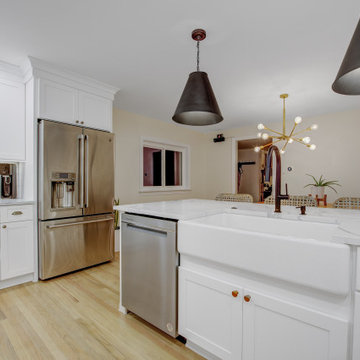
Main Line Kitchen Design has a different business model than other kitchen showrooms, designers, and cabinetry dealers. The difference helps us to do five important things better than our competitors.
The kitchens we sell are better designed and our designers are more experienced. This is because we insist on showing customers designs we recommend, BEFORE, we do a design they request. This way, final designs tend to be more collaborative and professional. Our designers are more experienced because they are better paid and design with more cabinet brands than at other dealers.
Our pricing for cabinets is less than other cabinet dealers. This is because we do not have a showroom open to the public, and we require a small deposit and a screening before we accept customers. This helps our designers spend their time more effectively. And, it eliminates 80% of the overhead kitchen showrooms spend on staffing, larger displays, and on a curbside location.
We carry more brands of cabinetry than other dealers. This is possible because we display one cabinet for each brand we sell. Through glass countertops clients can examine a brands construction quality, and we display the door styles and finishes of our brands. Instead of the larger displays customers see in traditional showrooms, our customers can view 5 million kitchens on Houzz.com, or the hundreds of our kitchen renovations we show on Houzz, our web site, and in framed photos on the walls of our office building.
Kitchen construction is often better organized and generally costs less. This is because we recommend general contractors free of charge. They supervise construction from scheduling to completion. This eliminates a middleman, reduces delays, and eliminates the fees that almost all showrooms and home centers charge their customers. We are also happy to work with any contractor a customer finds on their own. If we haven’t worked with that contractor before they may need more of our direction, but both companies can benefit from working together and possibly referring each other in the future.
Less problems arise, and if they do, they are handled more quickly. This is because every kitchen we sell is reviewed by at least 3 kitchen designers during the ordering process. Our Operations Manager Ed Sossich checks orders and schedules all warehouse and home deliveries. Our delivery manager Mark Mitten supervises every delivery and checks in each cabinet and part. And our CRM system, Monday, prompts each person responsible for each phase of a customer’s kitchen with automated alerts. This keeps things moving, even during supply chain disruptions, and ensures no step is overlooked.
Main Line Kitchen Design’s company slogan is “The world of kitchen design is changing . . . “. We pride ourselves on being innovative in everything we do. From our web site and how we advertise, to the gift we send each customer upon the completion of their kitchen.
Our business model helps us receive 100’s of 5-star reviews, and makes our kitchen projects more enjoyable for everyone.
We look forward to working with you.
9