
Siding Installation Cost
Homeowners in the US usually spend between $7,400 and $12,200 on siding installation.
| Typical Cost | $9,800 |
|---|---|
| Typical Range | $7,400–$12,200 |
| Low End | $4,500 |
| High End | $17,000 |
Cost to Install Siding
Siding installation typically costs about $9,800. While the cost to install siding typically ranges from about $7,400 to $12,200, high-end projects can cost upward of $17,000. Prices vary widely among different types of house siding, so the total cost of your project will ultimately depend on the material you choose. Siding materials are charged by the square foot, so the size of your home or the repair you’re doing will also affect pricing.
How much does siding cost to install?
Siding is the first thing anyone sees before stepping through your door, so replacing it can make a huge difference in the overall look and effect of your home. And the type of siding you choose can completely change the style and look of your home, so it can be an exciting project to undertake — although one that comes with a significant price tag. But besides significantly boosting your home’s curb appeal, new siding should also last you for decades to come and boost your home’s resale value. Siding replacement isn’t a job most homeowners can tackle themselves, so when you’re ready to get started, it’s a good idea to contact a siding installation company. A professional will have the tools and expertise to make sure the job is done well and that you get your money’s worth in the long run.
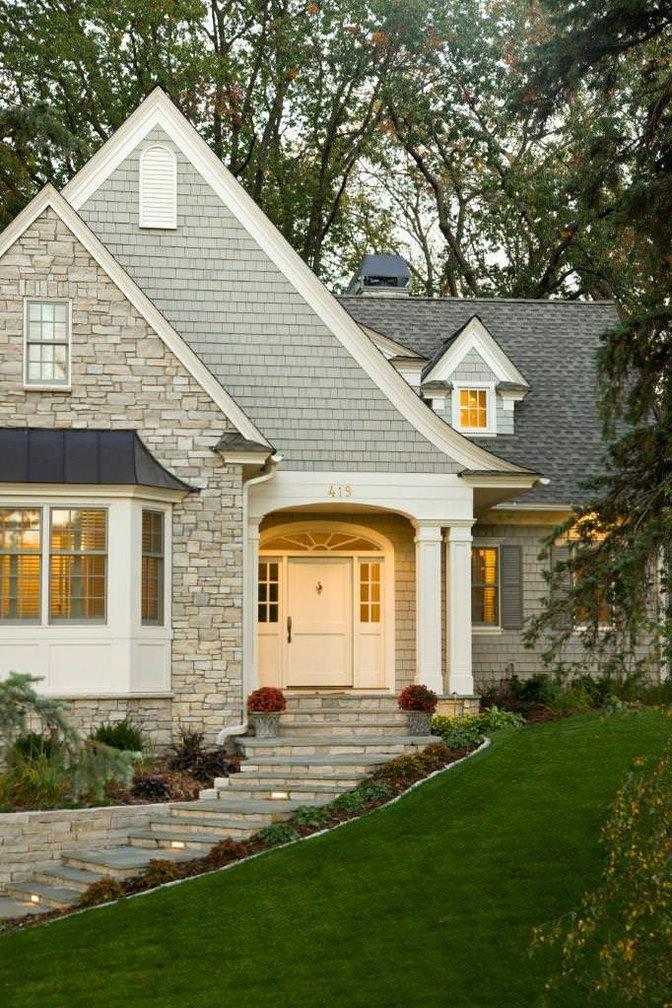
Stonewood, LLC · More Info
What are some of the factors that affect siding cost?
The materials you choose and the square footage of your home are likely to be the most significant determining factors in the overall cost of your siding project. Still, there are a number of other variables that can affect cost. Labor costs alone typically range from about $1.40 to $2.40 per square foot, and contractors often charge about 20 cents more for any work above the first story. That means for a roughly 2,000 square foot home, labor costs could range from $3,200 to $5,400. Different siding materials may also cost more or less to install depending on the difficulty of the work. You’ll also need to factor in the cost of a permit fee from your local government to start the work.
If you already have siding on your home that needs to be removed, this could cost around $1,000 to $2,000 alone. Homes with a lot of corners and edges or rounded sections may be more difficult to work on, increasing labor and material costs. Any special trimwork will also add to your costs. One way to save money is to have your siding contractor replace only sections of your home’s siding rather than the whole thing. While this fix won’t last as long as a total replacement, you can take on the costs of smaller repairs over time.
Siding Installation Costs:
Labor: $3,200 to $5,400
Siding removal: $1,000 to $2,000
Permit fee
Trimwork
How much does siding cost by material?
When choosing your materials, there are a number of siding options on the market, including wood, vinyl, stucco, aluminum, brick and stone. Some of the most affordable materials are engineered wood, fiber cement (one of the most popular fiber cement brands is colloquially referred to as Hardie board) and metal. In recent years, vinyl has also become widely popular for its durability and relatively low cost. However, vinyl requires extensive processing to produce, and it’s not biodegradable. If you’re concerned about your home’s environmental footprint, steer toward naturally occurring materials like wood, stone and aluminum.
Vinyl Siding
Vinyl siding typically ranges in cost from about $1.30 to $1.50 per square foot. Vinyl is popular as a low-maintenance alternative to wood. While vinyl siding has become a go-to choice for many, if you’re looking for a sustainable material, vinyl may not be for you.
Pros:
Low-maintenance
Resistant to rot
Clean look at a lower cost than wood
Cons:
Doesn’t last as long as other materials
Not as good at holding up against extreme weather
High emissions; requires lots of energy to produce
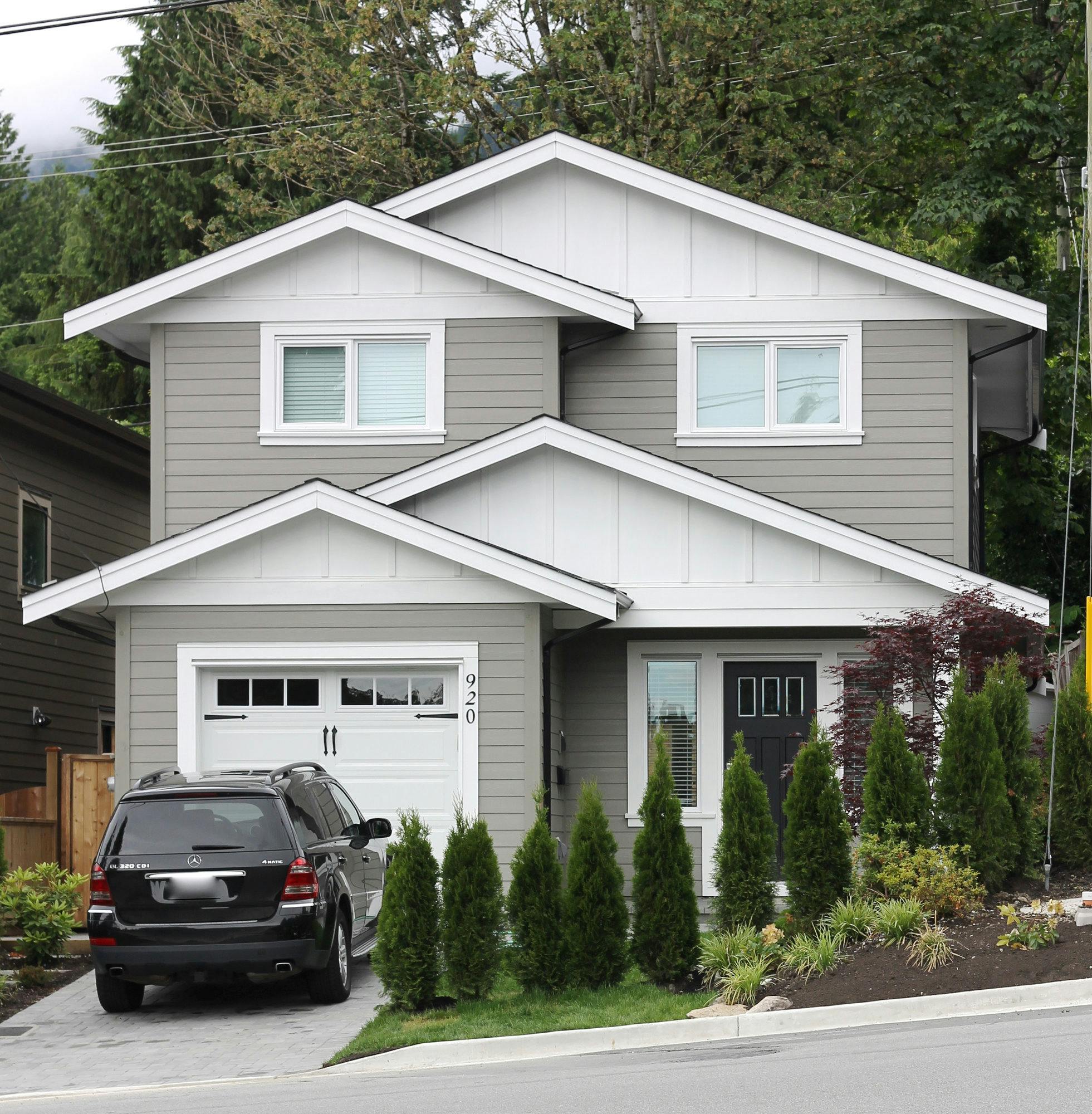
McCabe Design & Interiors · More Info
Engineered Wood Siding
Engineered wood siding usually ranges in cost from about $1 to $2 per square foot. Also called plywood, it’s slightly less expensive than wood siding while still offering roughly the same look. Made from a blend of wood pieces bonded together, it can be a very sustainable choice, especially if made from recycled wood or wood scraps.
Pros:
Cheaper than wood
Requires fewer living trees to be cut down
Durable
Cons:
Requires regular maintenance
Susceptible to water damage, rot and insects
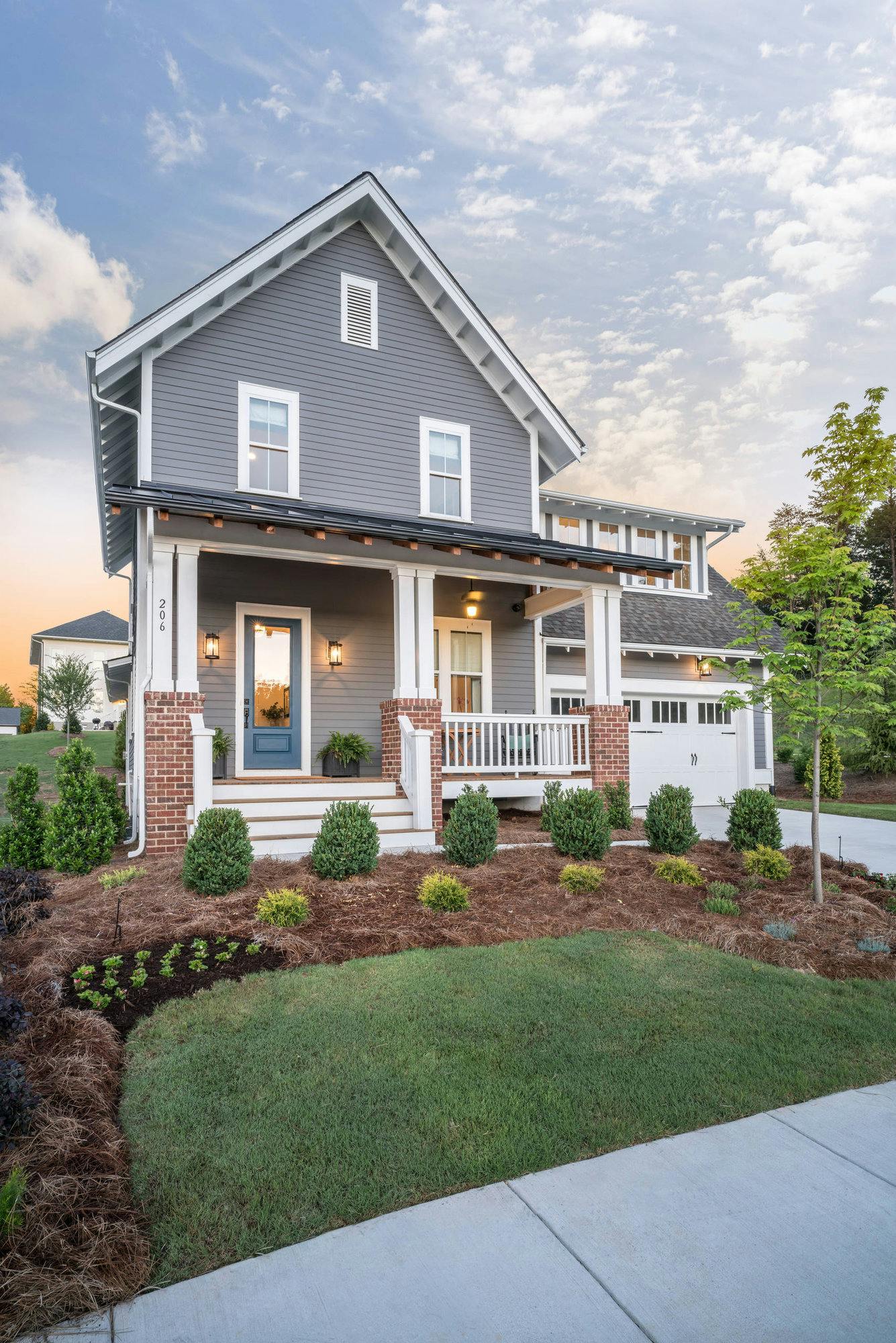
Wood Siding
Wood siding typically costs about $1 to $4.50 per square foot. It’s a classic choice that will look beautiful and last for many years. As a natural material requiring very little processing, it’s also an environmentally friendly option.
Pros:
Classic look
Environmentally friendly
Durable
Cons:
Requires regular maintenance
Susceptible to water damage, rot and insects
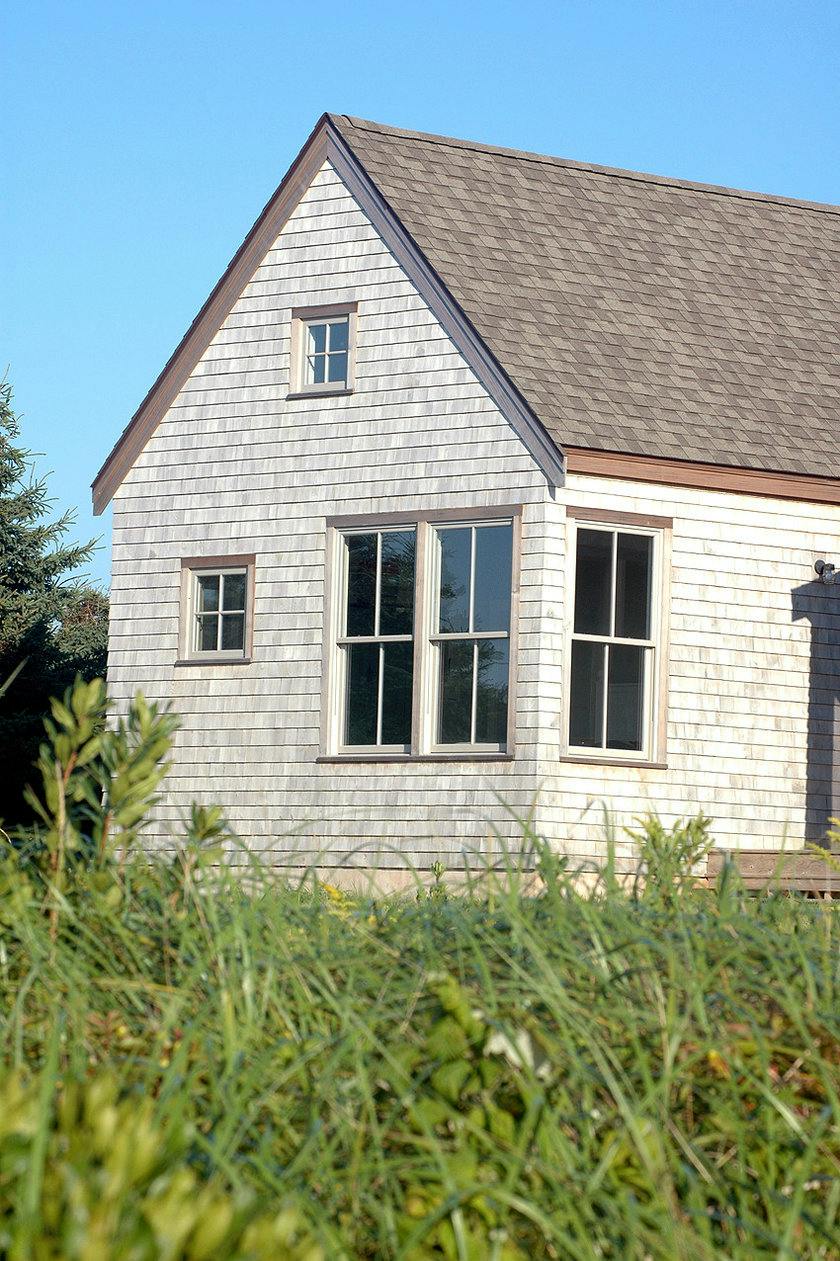
Rob Bramhall Architects · More Info
Aluminum Siding
Aluminum siding typically ranges in cost from about $1.70 to $2 per square foot. Affordable and low-maintenance, aluminum can be a very smart choice.
Pros:
Low-maintenance
Withstands extreme weather
Requires relatively little energy to produce
Cons:
Can dent easily
Doesn’t hold paint and may fade over time
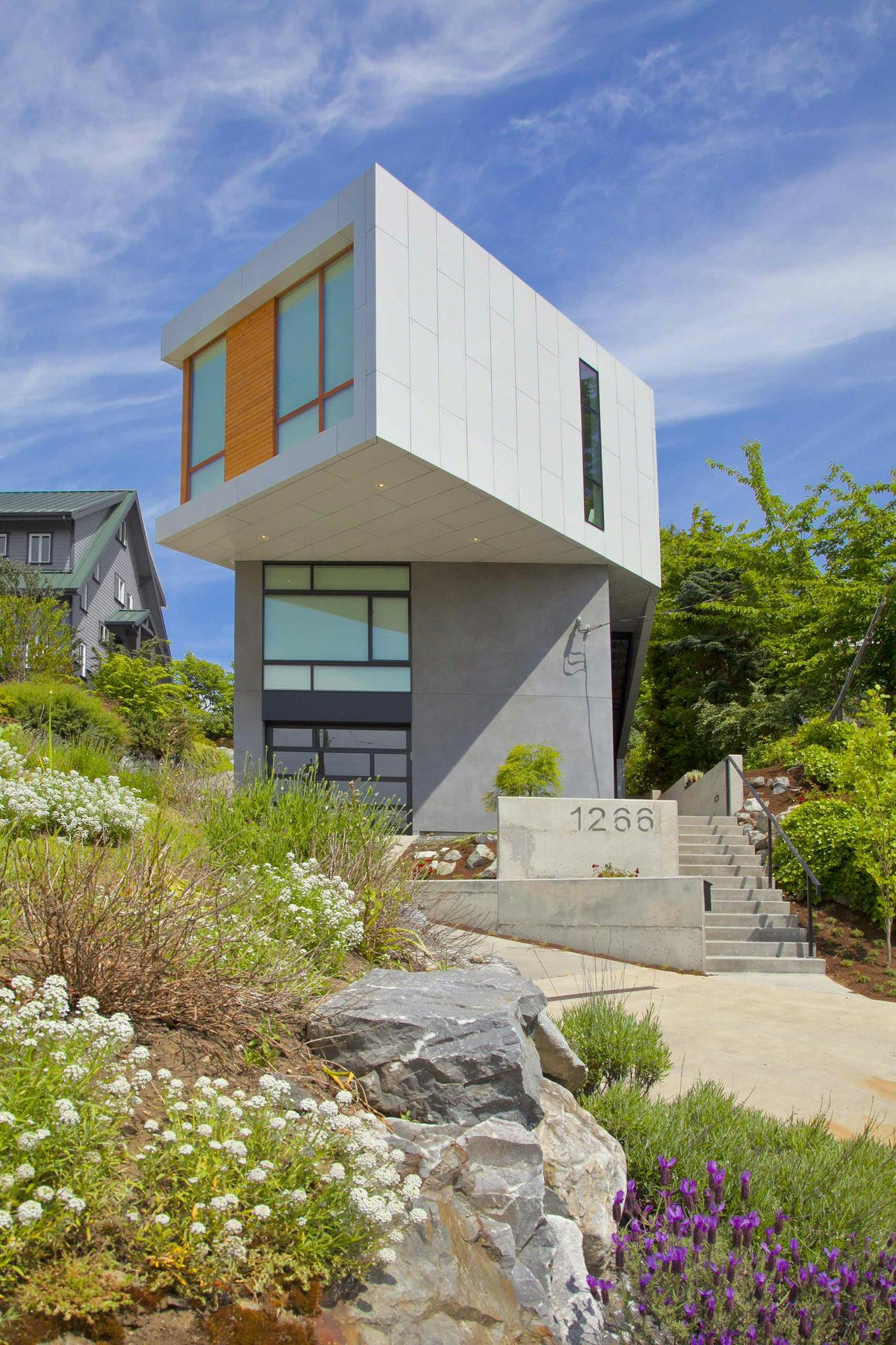
Steel Siding
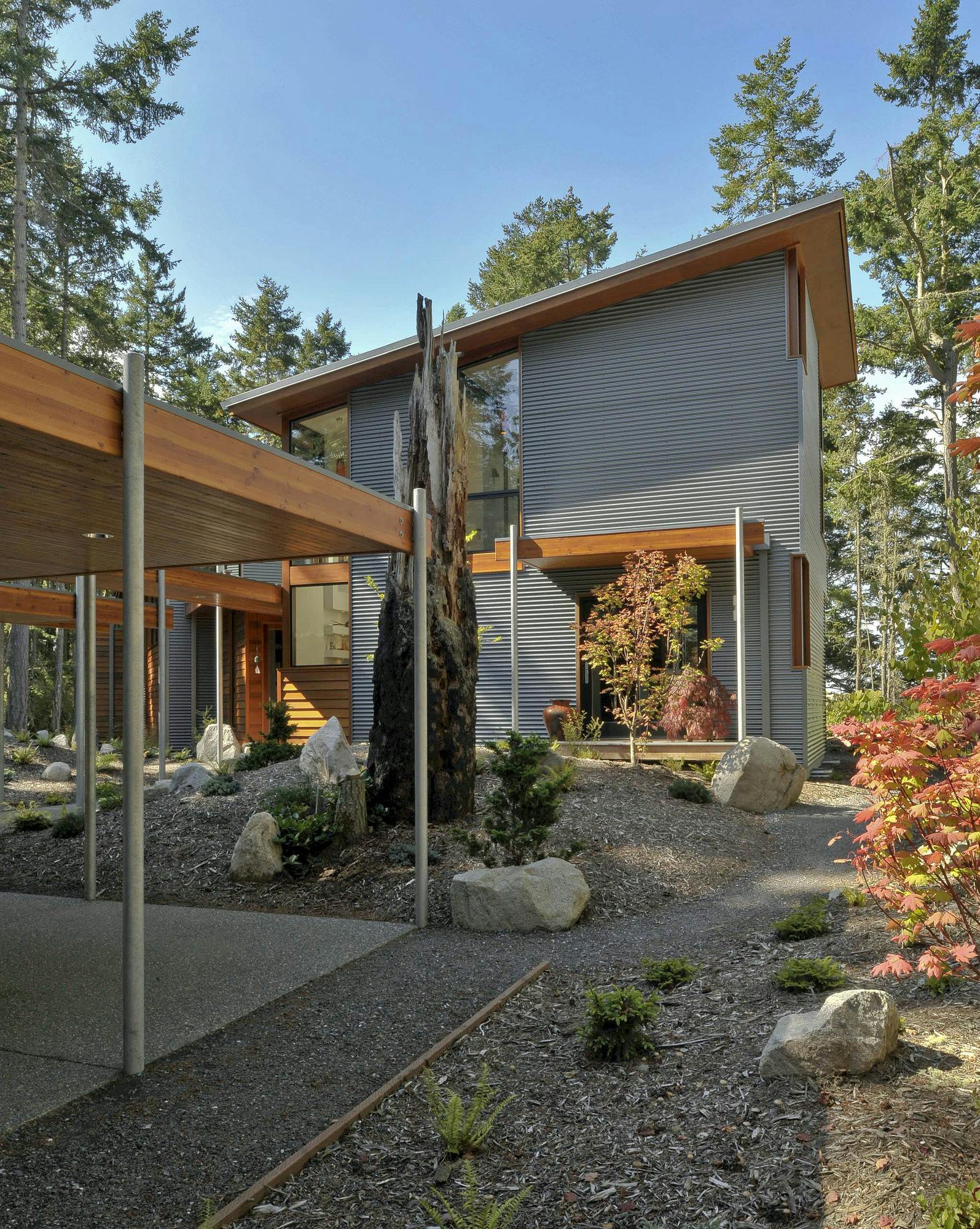
Heavier than aluminum, steel siding is another metal option that offers better insulation.
Pros:
Low-maintenance
Withstands extreme weather
Requires relatively little energy to produce
Cons:
Prone to rust
Can fade over time
Vandervort Architects · More Info
Fiber Cement Siding
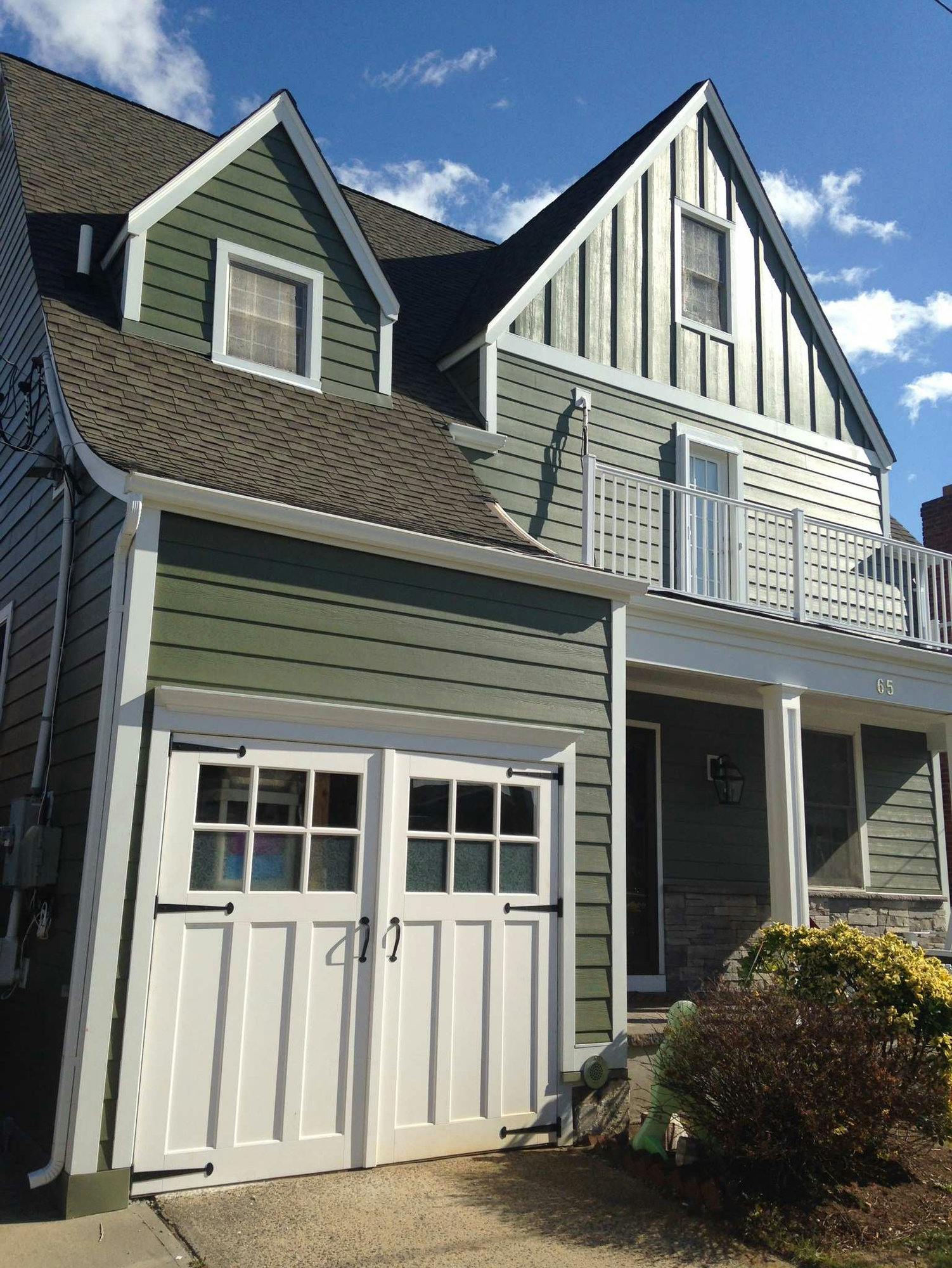
Fiber cement siding (or Hardie board) typically costs about $2.30 to $2.80 per square foot. It can be made into a number of shapes, such as shingles or panel siding.
Pros:
Long-lasting
Low-maintenance
Fire-resistant
Cons:
Prone to cracking
High emissions; requires lots of energy to produce
Doesn’t have the same appeal as natural materials like wood
Good Guys Contracting · More Info
Stucco Siding
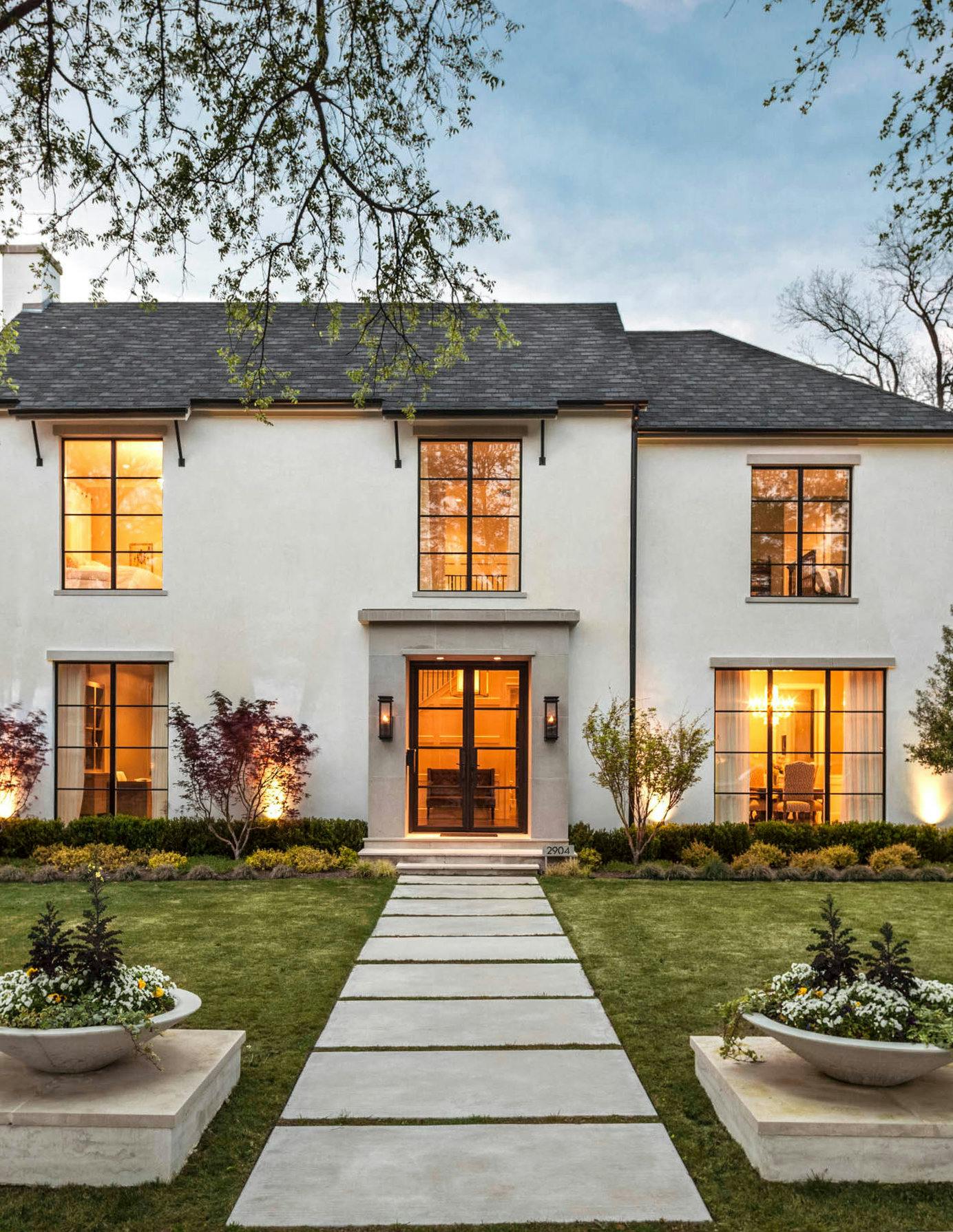
Stucco siding is a mid-range option best-suited to regions with a warm climate, like California, the American Southwest and Florida.
Pros:
Well-insulating
Easy to install
Withstands warm temperatures
Cons:
Doesn’t hold up well against wet conditions
More expensive than many other siding types
Robert Elliott Custom Homes · More Info
Brick Siding
Brick siding is an expensive yet popular option. Low-maintenance and well-insulating, brick is a timeless choice.
Pros:
Low-maintenance
Fire- and rot-proof
Well-insulating
Durable
Classic look
Cons:
Expensive and labor-intensive to install
Heavy; requires a strong foundation
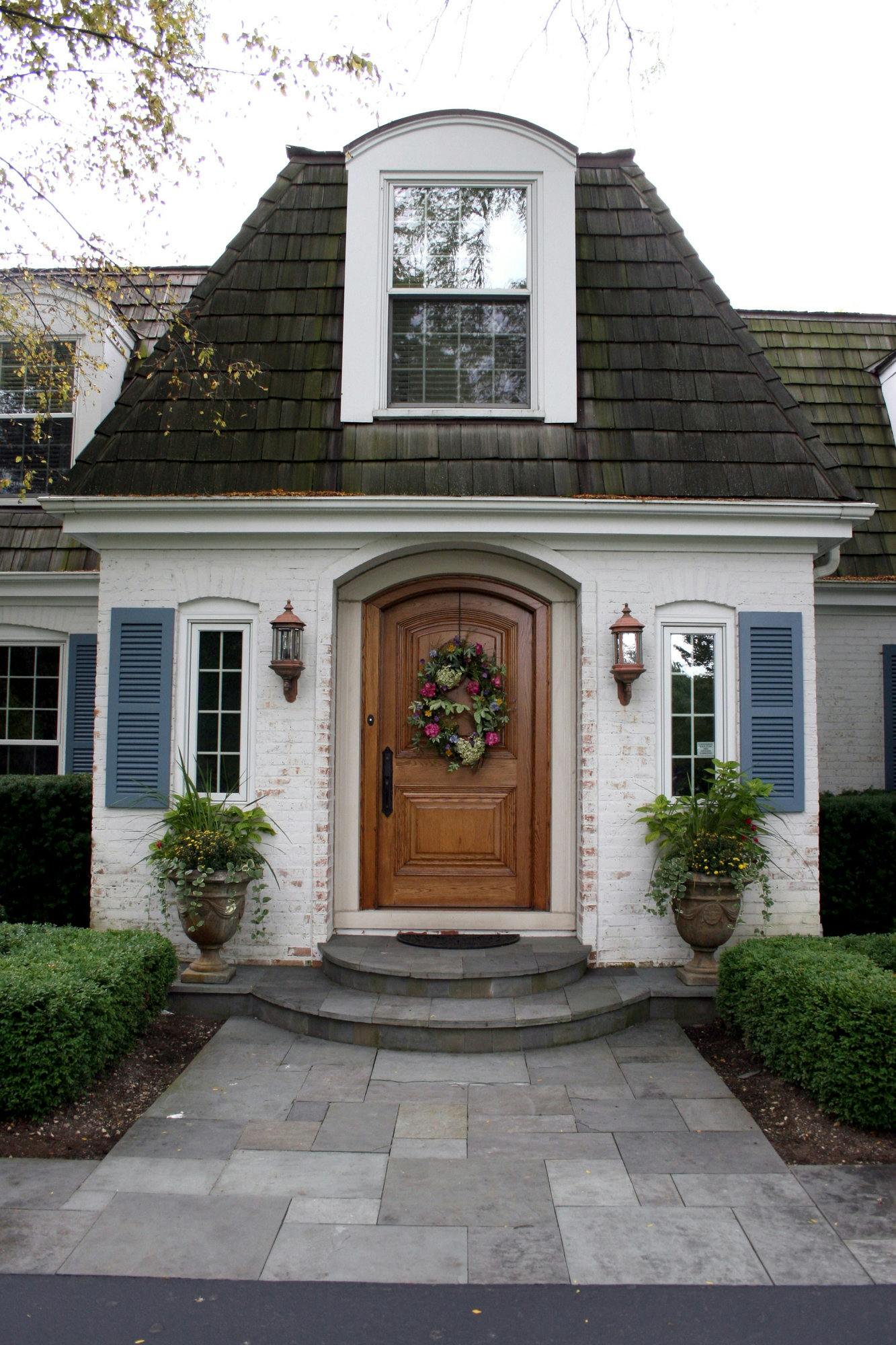
O'Connor Brehm Design-Build · More Info
Stone Siding
Stone siding is another expensive yet visually-appealing option. It offers both durability and a classic look.
Pros:
Low-maintenance
Fire- and rot-proof
Well-insulating
Durable
Classic look
Cons:
Expensive and labor-intensive to install
Heavy; requires a strong foundation
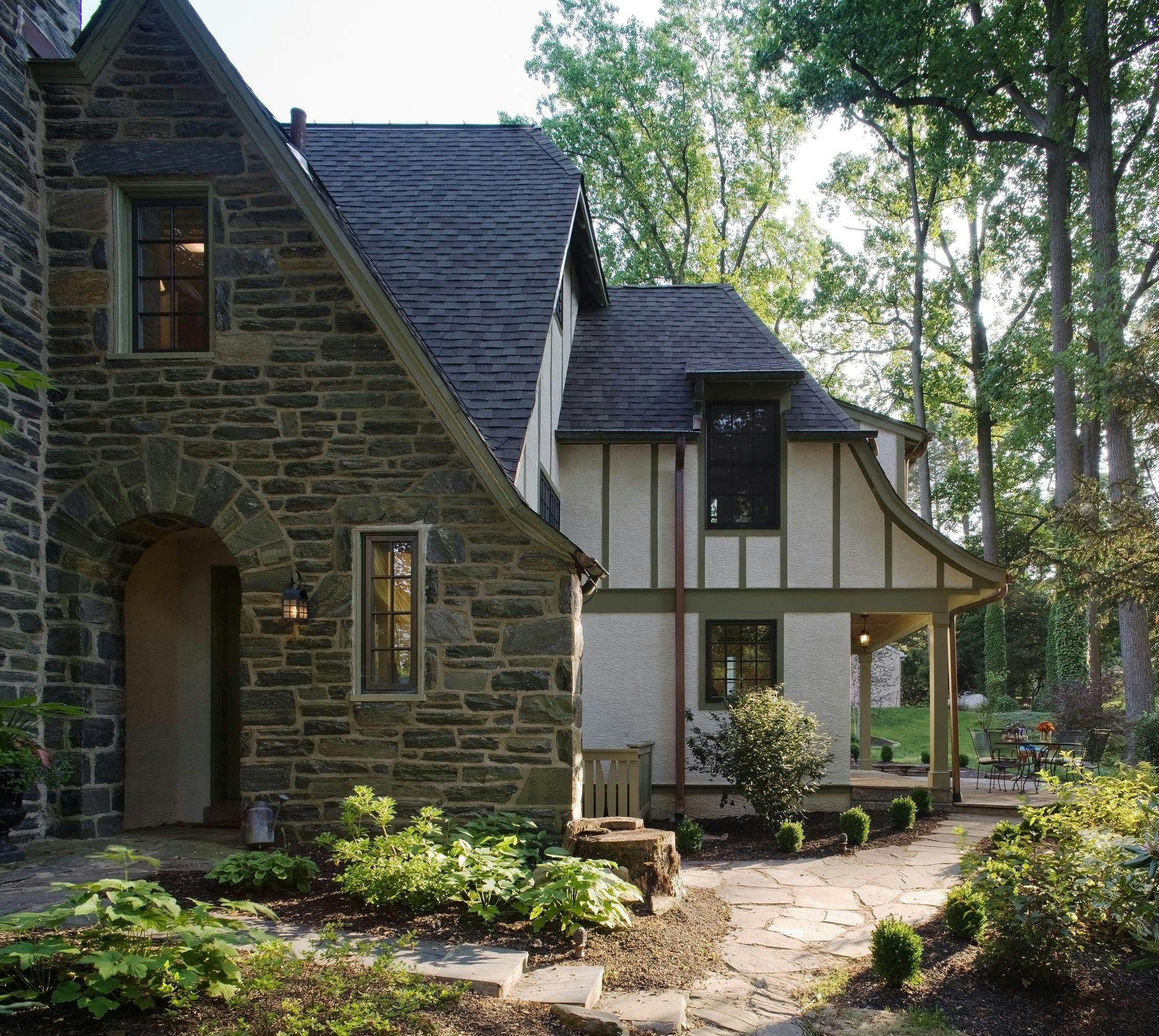
Colella Construction Inc, Kitchen and Bath · More Info
For More Inspiration: 9 Top Siding Materials
What are the different styles of siding?
Besides materials, you’ll also be able to choose among several different siding types. While some materials, like stone or stucco, can’t really be customized into a particular siding pattern, materials like wood, vinyl and fiber cement can. From shingles to board and batten, there are a number of options to choose from. Price does vary among siding styles, on top of the cost variations among different materials. To get a rough estimate of how much different types of siding cost, you can consult the list below.
Horizontal or Vertical Siding: Basic horizontal or vertical siding consists of boards that are installed one next to the other, either horizontally or vertically. They do not overlap.
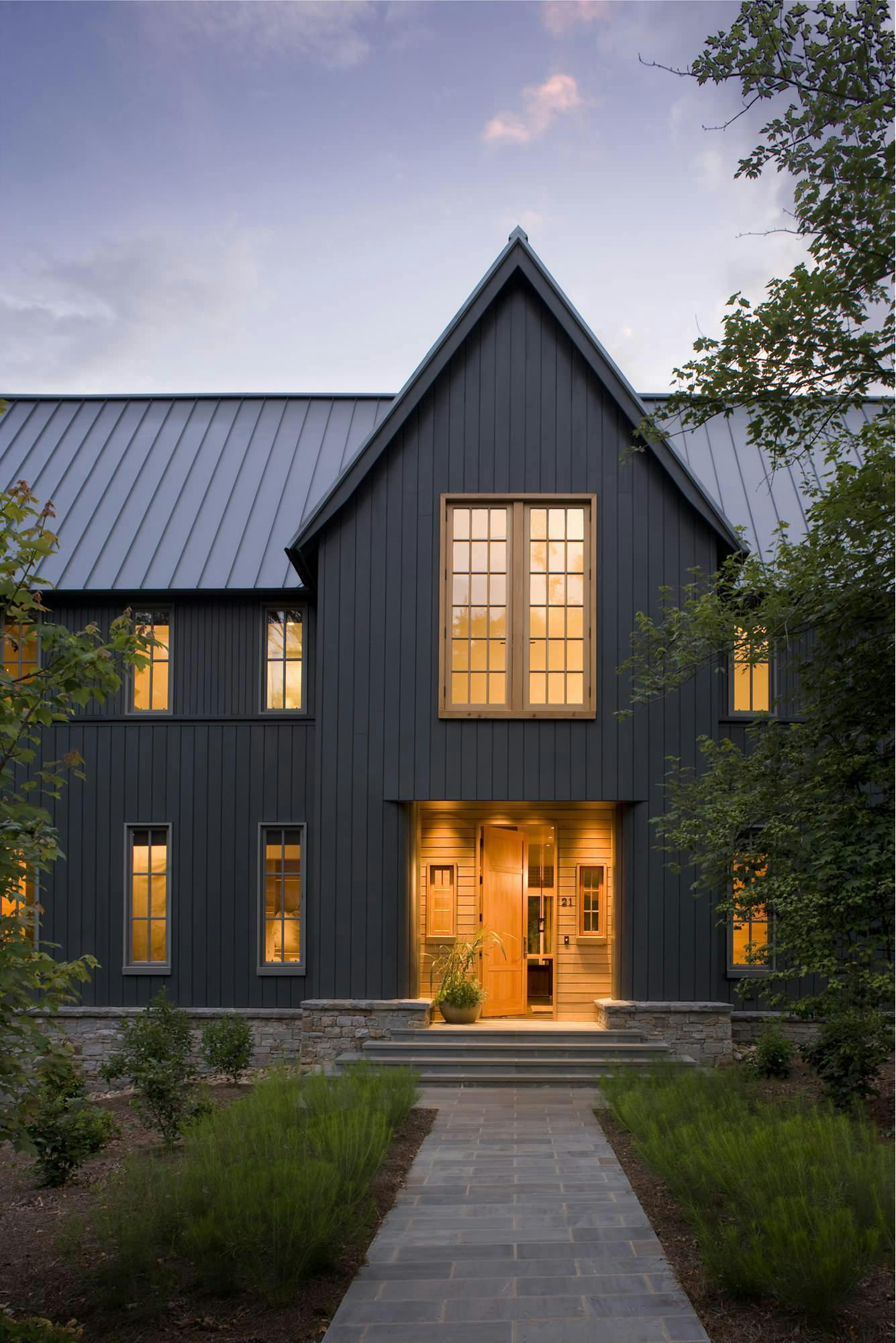
Carlton Edwards · More Info
Shingles or Shakes: Shakes and shingles both consist of pieces of material that taper over one another horizontally, although they’re not quite the same thing. Shakes are typically a bit thicker and cut by hand or by a power tool, while shingles are thinner and more uniform in appearance.
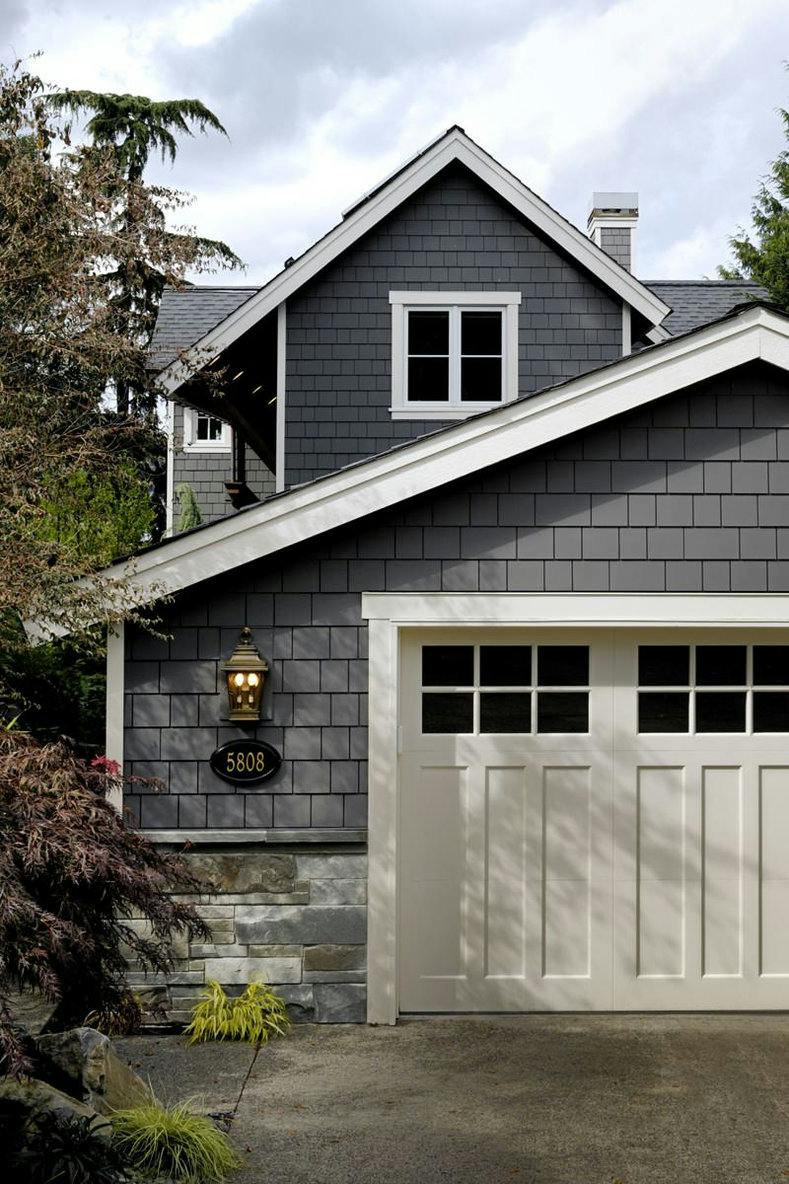
gr home · More Info
Board and Batten: Board and batten siding consists of alternating wider and thinner boards that can be placed either vertically or horizontally.
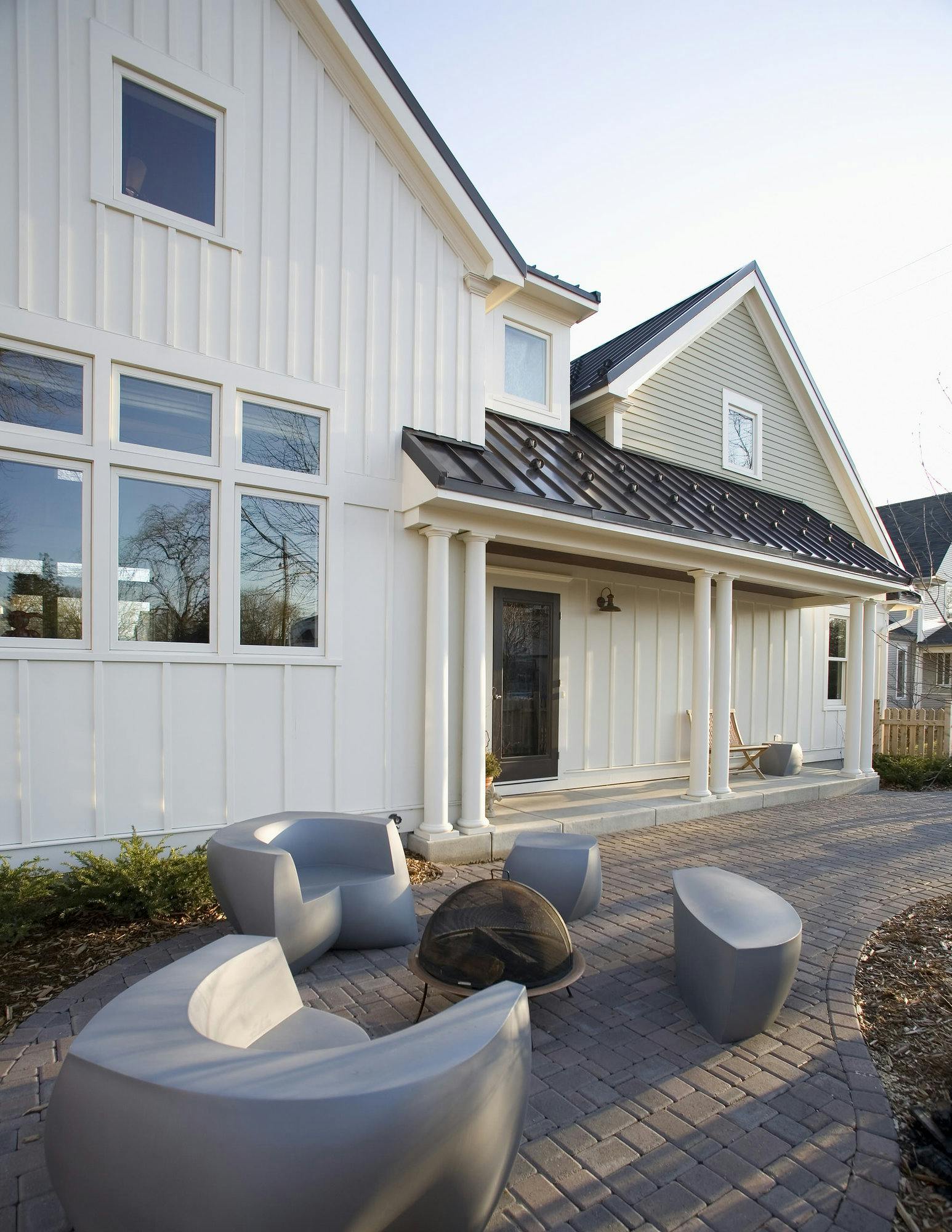
TreHus Architects+Interior Designers+Builders · More Info
Clapboard: Clapboard siding is made of long boards that overlap one another horizontally.
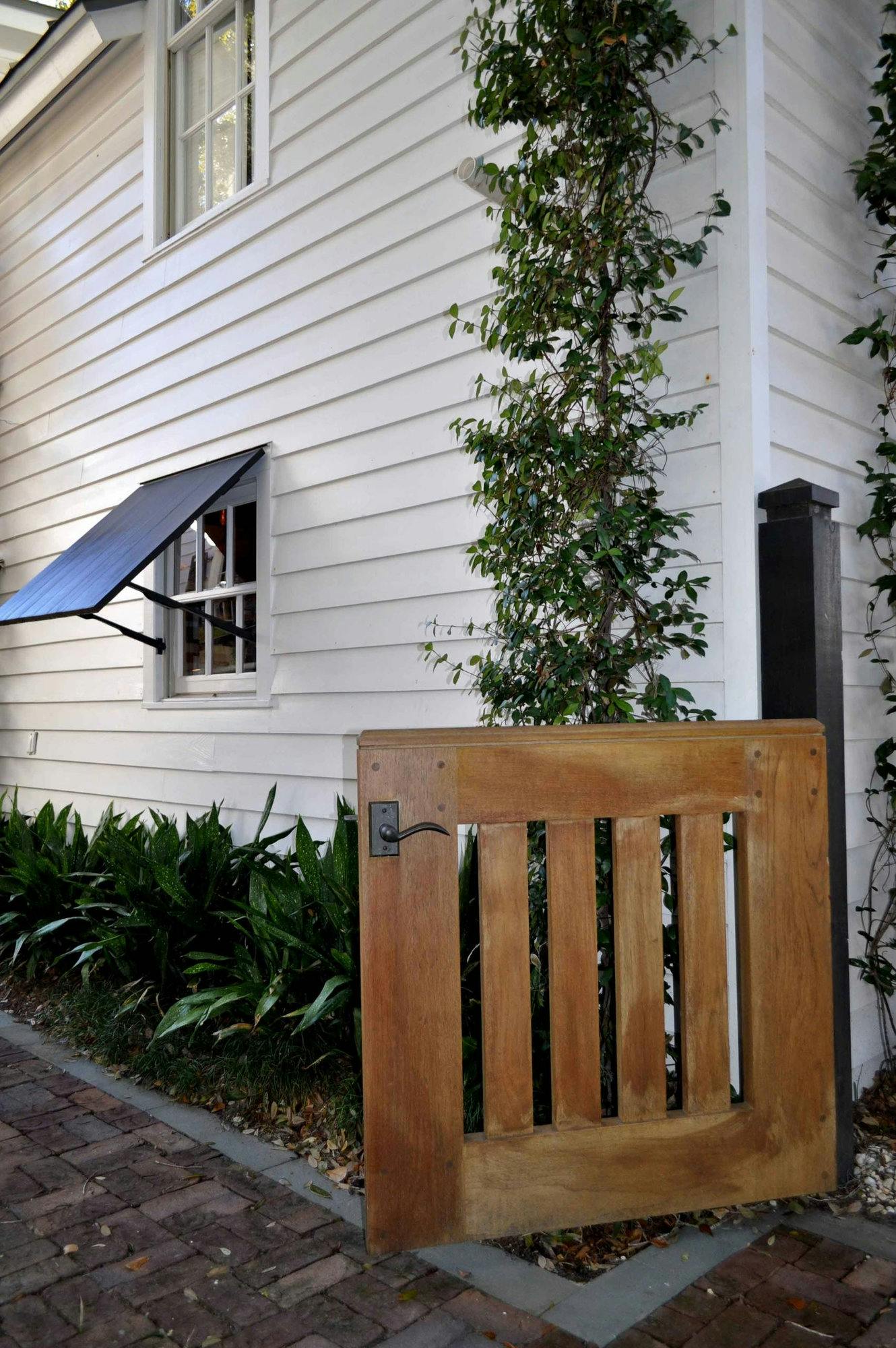
Frederick + Frederick Architects · More Info
Great Home Project: Replace Your Exterior Siding
Note: Costs are estimated at the U.S. national level. Variations depend on factors such as the quality of materials, type of products installed and labor costs. The typical range is assumed to be between the 20th and 80th percentiles. The high-end and low-end costs are the maximum and minimum, respectively. Costs assume that the homeowner manages the project and hires subcontractors as needed. They include a subcontractor markup of 10% for materials and labor. Costs can be higher if a general contractor is managing the project. All numbers are rounded.
Source: 2019 Houzz Remodel Costs Database