
Recessed Lighting Cost Calculator
National AverageHow much does it cost to install recessed lighting? On average, recessed lighting costs . The cost of your project depends on numerous factors including the number of lights needed, your ceiling material, your trim and bulb type and labor costs in your area. Use this calculator to estimate the cost to install recessed lighting based on the information you input.
Estimate your project cost
Cost for Recessed Lighting Installation
What factors affect the cost of recessed lighting?
The cost to install recessed lighting depends on the following variables:
Number of Lights: When estimating the cost to install recessed lighting, contractors typically charge per light fixture, so the amount of lights you’re installing will have a big impact on your overall project cost.
Ceiling Material: Because recessed lighting installation requires contractors to cut recesses into your ceiling, your ceiling material can affect costs. For example, it’s more difficult to install recessed lighting into a plaster ceiling than a drywall ceiling because plaster is more delicate and requires special care during the installation process.
Housing Type: There are various types of housing or “cans” for recessed lighting. The housing is what’s recessed into the ceiling, and it encases the light source, mounting and electrical parts for each light. The sort of housing you need depends on where you want to install your lights. Housings are often sold in packs and come in two different types: new construction and remodel, which fit into a ceiling at different points. If your insulation will come in contact with the housing, you need to install IC-rated housing; otherwise, if your insulation is at least 3 inches away, you can install non-IC-rated housing.
Trim Type: The trim refers to the border that covers the gap between recessed lighting’s housing and the ceiling. There are several types of recessed light trims, which add a polished look to recessed lighting. Your trim type can significantly change the appearance and the cost of your recessed lighting.
Bulb Type: Recessed lighting is usually compatible with an variety of bulbs, including incandescent, halogen, compact fluorescent lamps (CFLs) and LED bulbs. While some high-end LED bulbs are more expensive, they last longer and are more energy efficient than other bulb types. Incandescent bulbs are typically cheaper up front, but they burn out quickly.
Labor: Labor costs may vary depending on the difficulty of the installation. Typical labor costs will include cutting a recessed lighting hole, electrical wiring, installing the light fixture, connecting the lighting fixture and placing the trim.
Location: Labor costs can vary depending on your geographic location. If you’re in a metropolitan area or you’re located somewhere with a higher cost of living, expect to pay more. To estimate the cost of labor in your area, refer to the calculator above and update your ZIP code.
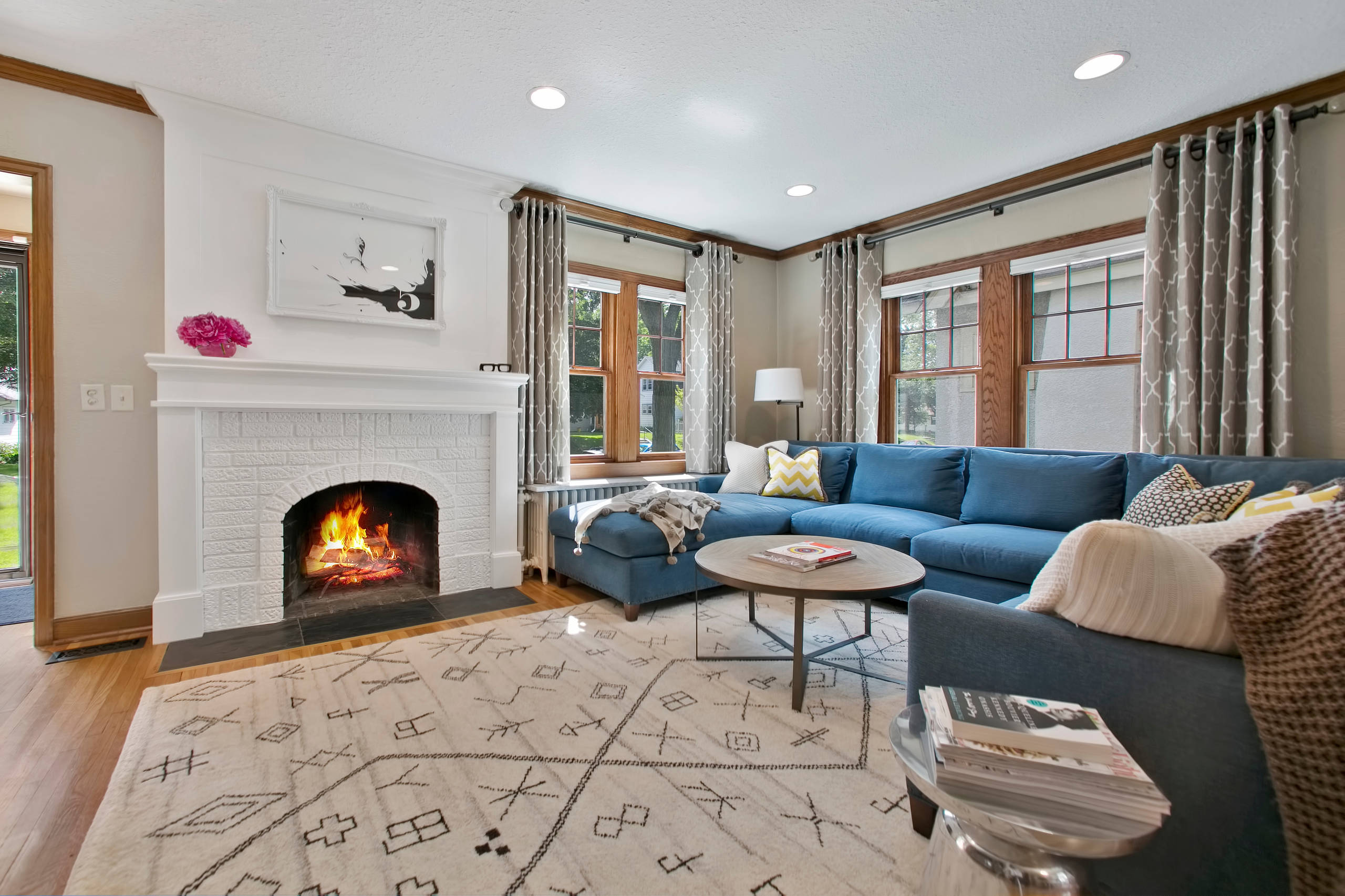
Recessed Light Trims
There are several types of recessed light trims, all of which serve a different purpose. While you’re planning out your lighting design, consider the following trim types and how they might help you achieve your desired look. To see how these different trims affect your recessed lighting installation estimate, refer to the calculator above and update your trim type.
Baffle Trim and Open Trim: These are the most basic types of trim, and both consist of a flat rim around the light. Sometimes the light is even with the trim, while other times there are a couple of inches of space below the light. The main difference between the two is that baffle trim has a ribbed interior, which prevents glare, while open trim does not.
Eyeball Trim and Gimbal Trim: If you want to be able to move your recessed light
around to point it in different directions, these are the ideal trim types. Eyeball trim moves in a complete 360-degree rotation, while gimbal trim allows you to tilt or rotate the light source so you have control over the direction of the light.
Wall Wash Trim: This type of trim covers half of the light, so it shines in one direction. Wall wash trim is often used to light a wall in a stairway or hall, or to light a piece of artwork.
Shower Trim: A shower trim has a tempered glass layer over the bulb and a watertight seal which makes it ideal for wet spaces like showers and bathrooms.
Back to Calculator
Other Recessed Lighting Cost Considerations
Beyond the main variables that factor into your recessed lighting installation project, keep these additional cost considerations in mind:
Home Valuation: The return on investment (ROI) of recessed lighting can vary depending on many factors, however, they can often add value to a home because they create an inviting atmosphere and their low-profile, modern style is popular among many homeowners. Additionally, if you opt to use energy-efficient LED bulbs, you can save on electricity bills.
Sustainability Savings: Beyond reducing your energy consumption and utility bills, recessed lighting with LED bulbs can save you money because they last a long time.
Timeless Design: Because they can enhance the ambiance of any room, recessed lights have timeless appeal, which make them a worthwhile investment.
Looking for an Electrician?
Recessed lighting can create a more welcoming atmosphere and set the mood of a room. And because of their low-profile look, recessed lights can complement any decor. If you’re considering installing recessed lighting, it’s a good idea to hire a professional, as the process requires technical electrical work. Besides cutting into your ceiling, a professional will know how to safely hook your lights up to your existing electrical system.
Considering making other home improvements? If you’re looking to hire a professional, search here to find top-rated contractors in your area.