

advanced root pruning
21 years ago
Sort by:Oldest
Comments (7)
Related Stories

WINTER GARDENINGPruning Secrets for Exquisite Roses
Encourage gorgeous blooms year after year with this time-tested advice on how to prune your rosebush in winter for health and shape
Full Story
GARDENING GUIDESGot Frost-Damaged Plants? How It Happens, and When and How to Prune
Don’t rush to cut back brown, brittle growth after a freeze
Full Story
ARTThe Beauty of Bonsai — Living Art, Rooted in Harmony
Create your own emblem of nature's balance with an art form dating back 1,000 years
Full Story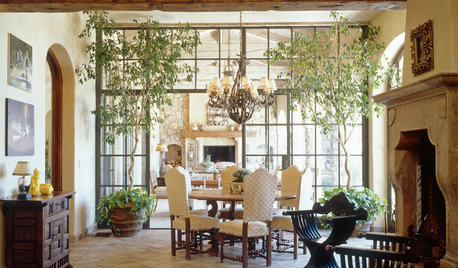
Rooting for Indoor Trees
Houseplants tend to get all the glory indoors, but trees deserve their place in the sun — and in your living room, your entryway, your ...
Full Story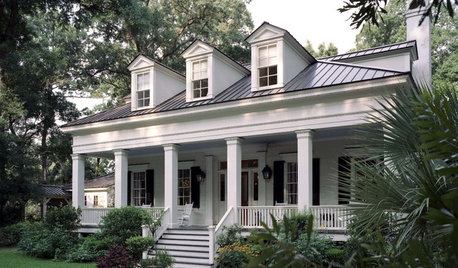
TRADITIONAL ARCHITECTURERoots of Style: Classical Details Flourish in 21st-Century Architecture
Columns, friezes, cornices ... if your home has features like these, it may have been influenced by ancient designs
Full Story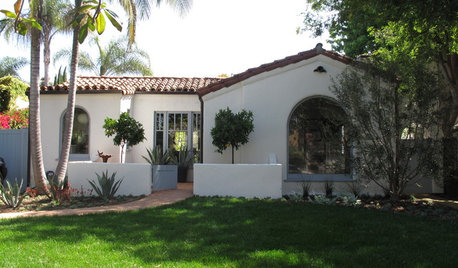
ARCHITECTURERoots of Style: Many Cultures Make Their Marks on Mediterranean Design
If you live in California, Florida or certain other parts of the U.S., your architecture may show distinct cultural influences
Full Story
ARCHITECTURERoots of Style: Where Did Your House Get Its Look?
Explore the role of architectural fashions in current designs through 5 home styles that bridge past and present
Full Story
TRADITIONAL ARCHITECTURERoots of Style: Your Home May Have a Renaissance Classical Past
If Georgian, colonial revival or Italianate details are in your house's mix, you might have the 15th century to thank
Full Story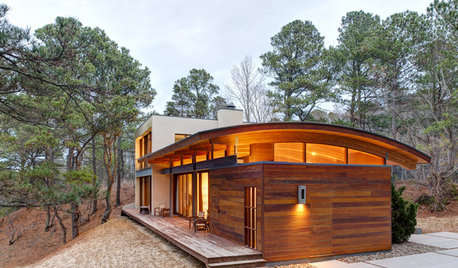
ARCHITECTURERoots of Style: The Segmental Vault Home
Distinctive and proud, these houses may be more common than you might first realize
Full Story
ARCHITECTURERoots of Style: Midcentury Styles Respond to Modern Life
See how postwar lifestyles spawned a range of styles, including minimalist traditional, ranch, split level and modern shed. What's next?
Full Story
Bonsai_Richard
TurtleBo
Related Professionals
Lake City Landscape Architects & Landscape Designers · Morgan City Landscape Architects & Landscape Designers · Fayetteville Landscape Architects & Landscape Designers · Georgetown Landscape Architects & Landscape Designers · Buffalo Landscape Architects & Landscape Designers · Tampa Landscape Contractors · Murfreesboro Landscape Contractors · Rockford Landscape Contractors · Grand Island Landscape Contractors · Binghamton Landscape Contractors · Sacramento Landscape Contractors · Pullman Landscape Contractors · Bronx Landscape Contractors · Enfield Custom Closet Designers · Lewiston Custom Closet Designerscount_d
bonsaikc
nealOriginal Author
mark_rockwell
bonsaikc