

Now what do I do?
16 years ago
Sort by:Oldest
Comments (5)
Related Stories
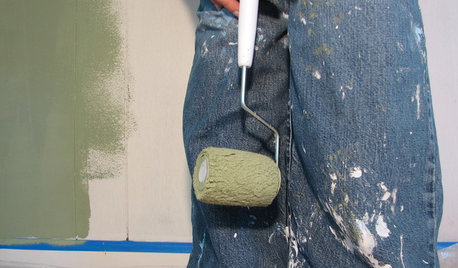
PAINTINGHelp! I Spilled Paint on My Clothes — Now What?
If you’ve spattered paint on your favorite jeans, here’s what to do next
Full Story
FUN HOUZZ14 Things You Need to Start Doing Now for Your Spouse’s Sake
You have no idea how annoying your habits at home can be. We’re here to tell you
Full Story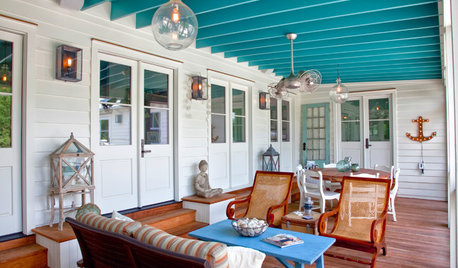
COLOR9 Fun Ceiling Colors to Try Right Now
Go bold overhead for a touch of intimacy or a punch of energy
Full Story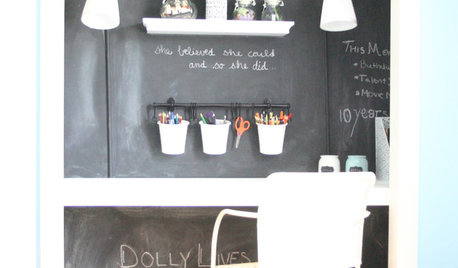
KIDS’ SPACESOnce a Cluttered Closet, Now a Creative Workspace
With a desk, chalkboard walls and cute accessories, this 'cloffice' opens up a kid's bedroom. See the DIY steps
Full Story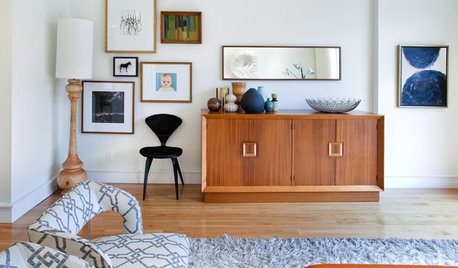
DECORATING GUIDES12 Antique Store Finds to Nab Now, Place Later
See the accessories one decorator always buys when she spots them — as long as she gets there first
Full Story
DECORATING GUIDESHow to Love Your Kitchen More, Right Now
Make small changes to increase the joy in your kitchen while you cook and bake, without shelling out lots of dough
Full Story
EVENTSHappening Now: The Brimfield Antique Show
Take a peek at the largest outdoor antiques show in the United States
Full Story
CLOSETSSimple Ways to Get Your Closet Organized Right Now
Streamline your clothing storage with strategies you can implement in a weekend
Full Story
DECORATING GUIDES10 Inspired Ways to Refresh Your Mantel Now
Postholiday blahs don't stand a chance on your mantel when you incorporate these ways to accessorize and light it
Full Story
Sponsored
iris_gal
Maryl (Okla. Zone 7a)
Related Professionals
Dallas Landscape Architects & Landscape Designers · Tyler Landscape Architects & Landscape Designers · Selma Landscape Contractors · Vicksburg Landscape Contractors · Concord Landscape Contractors · San Antonio Landscape Contractors · Burlington Landscape Contractors · Brooklyn Landscape Contractors · Sterling Landscape Contractors · Frederick Architects & Building Designers · Cincinnati Architects & Building Designers · Enid Architects & Building Designers · Green Bay Architects & Building Designers · Dodge City Architects & Building Designers · Everett Architects & Building Designersmarys_garden_patch
vetivert8
calistoga_al ca 15 usda 9