

Using 5:1:1 in Rock
16 years ago
Sort by:Oldest
Comment (1)
Related Stories
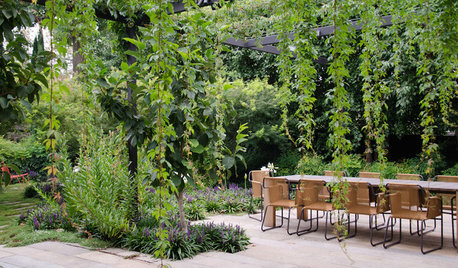
LANDSCAPE DESIGNSee 5 Unexpected Ways to Use Vines
Vines can grow over slopes, trail off pergolas and add seasonal color to the garden
Full Story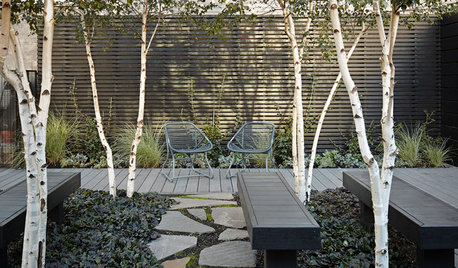
LANDSCAPE DESIGN5 Ways to Use Trees to Create a Sensational Garden Space
Trees define spaces in multiple ways and bring a layer of shade and intrigue to the landscape
Full Story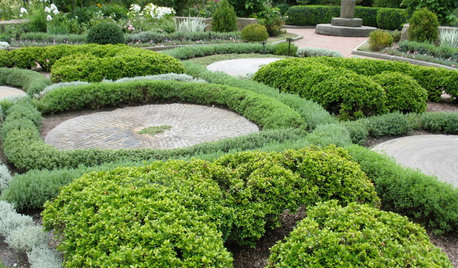
LANDSCAPE DESIGN5 Great Garden Uses for Granite Millstones
Give your yard character and history with a salvaged circular stone used as a patio, seat, fountain or focal point
Full Story
PLANTING IDEAS5 Ways to Use Pastel Plantings in Contemporary Gardens
Learn how pink, lilac, lavender, cream and peach can bring a soft beauty to your landscape
Full Story
PRODUCT PICKSGuest Picks: 1 Wallpaper, 5 Stunning Foyer Designs
See how different furnishings and accessories help a single classic wallpaper change its tune
Full Story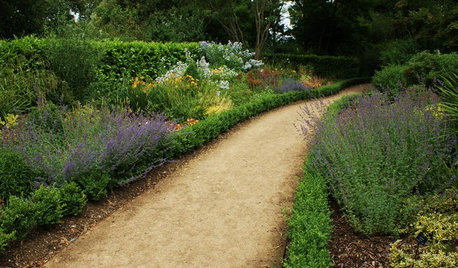
LANDSCAPE DESIGN5 Gravel and Stone Types for a Rockin' Landscape
Give your garden design some textural bam with pebbles, granite, river rocks and other permeable materials
Full Story
DECORATING GUIDESThrow Blankets: How to Use These Snuggly and Stylish Stylemakers
5 fabulous throws and how to use them for instant color and warmth
Full Story
EARTH DAY5 Ideas for a More Earth-Friendly Garden
Consider increasing the size of garden beds, filtering rainwater and using plants to reduce energy use
Full Story
VACATION HOMESHouzz Tour: Rock Climbers Create the Ultimate Mountain Getaway
Two friends build a vacation home in Australia’s Blue Mountains, where they can relax with others after a day of climbing
Full Story
SMALL SPACES10 Tiny Kitchens Whose Usefulness You Won't Believe
Ingenious solutions from simple tricks to high design make this roundup of small kitchens an inspiring sight to see
Full Story

greenman28 NorCal 7b/8a
Related Professionals
Dalton Landscape Architects & Landscape Designers · Galveston Landscape Architects & Landscape Designers · Las Vegas Landscape Architects & Landscape Designers · Covington Landscape Contractors · Lafayette Landscape Contractors · California Landscape Contractors · Poplar Bluff Landscape Contractors · Tupelo Landscape Contractors · Cookeville Landscape Contractors · Pittsburgh Landscape Contractors · Austin Home Builders · Killeen Home Builders · Grand Rapids Home Builders · Chula Vista Home Builders · Montréal Home Builders