

Drainage Issues
19 years ago
Sort by:Oldest
Comments (4)
Related Stories
BATHROOM DESIGNConvert Your Tub Space Into a Shower — Waterproofing and Drainage
Step 4 in swapping your tub for a sleek new shower: Pick your waterproofing materials and drain, and don't forget to test
Full Story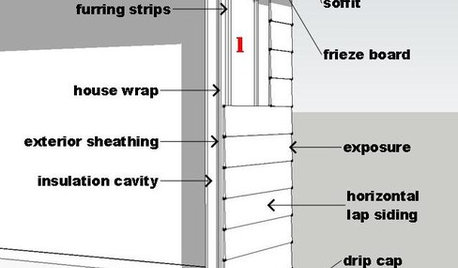
THE ART OF ARCHITECTUREArchitect's Toolbox: Rain Screens Up House Health
To thwart unwanted moisture and poor air quality in your home, think rain screens and drainage planes
Full Story
GARDENING GUIDESGardening Solutions for Heavy Clay Soils
What’s a gardener to do with soil that’s easily compacted and has poor drainage? Find out here
Full Story
HOUSEKEEPING10 Problems Your House May Be Trying to Show You
Ignore some of these signs and you may end up with major issues. We tell you which are normal and which are cause for concern
Full Story
LANDSCAPE DESIGNLandscaping Magic Fixes a Dangerous Sloped Yard
It had scary parking, a confusing entry and erosion issues. See how this steep California landscape gained safety, beauty and clarity
Full Story
BLUE AND GRAY FOLIAGEGreat Design Plant: Donkey Spurge
Yes, there's the awful name, plus the sap issue. But this plant's foliage and flowers bring something special to Eastern U.S. gardens
Full Story
LANDSCAPE DESIGNHow to Move Water Through Your Landscape
Swales, underground pipes or a mix of both: There’s more than one way to distribute water in the garden
Full Story
LANDSCAPE DESIGN5 Gravel and Stone Types for a Rockin' Landscape
Give your garden design some textural bam with pebbles, granite, river rocks and other permeable materials
Full Story
GARDENING GUIDESNortheast Gardener's August Checklist
It's hot in the August garden! Cool off with airy grasses and tactile plants that catch the breeze
Full Story
GARDENING GUIDES10 Solutions for Soggy Soil
If a too-wet garden is raining on your parade, try these water-loving plants and other ideas for handling all of that H2O
Full Story
gardengal48 (PNW Z8/9)
parafly9Original Author
Related Professionals
Florence Landscape Contractors · Atlanta Landscape Contractors · Carbondale Landscape Contractors · Great Bend Landscape Contractors · Coldwater Landscape Contractors · San Jose Landscape Contractors · Lubbock Landscape Contractors · Fayetteville Decks, Patios & Outdoor Enclosures · Belleville Decks, Patios & Outdoor Enclosures · Frederick Decks, Patios & Outdoor Enclosures · York Decks, Patios & Outdoor Enclosures · Spring Decks, Patios & Outdoor Enclosures · Chicago Decks, Patios & Outdoor Enclosures · Napa Decks, Patios & Outdoor Enclosures · Riverside Decks, Patios & Outdoor Enclosuresjoepyeweed
aacharley