

shrub pruning method
20 years ago
Sort by:Oldest
Comments (8)
Related Stories
GARDENING GUIDESHow to Prune Your Flowering Shrubs for the Best Blooms
Less is often more when it comes to properly pruning flowering shrubs. Here’s what to do and why
Full Story
WINTER GARDENINGPruning Secrets for Exquisite Roses
Encourage gorgeous blooms year after year with this time-tested advice on how to prune your rosebush in winter for health and shape
Full Story
GARDENING GUIDESGot Frost-Damaged Plants? How It Happens, and When and How to Prune
Don’t rush to cut back brown, brittle growth after a freeze
Full Story
GARDENING GUIDES10 Drought-Tolerant Shrubs That Thrive in Full Sun and Reflected Heat
Got a hot spot in your garden where plants often die? Try these tough shrubs that add beauty while shrugging off the heat
Full Story
GARDENING AND LANDSCAPINGVase Shapes Set Shrubs Apart
Billowing on top and slender on the bottom, shrubs in a vase shape showcase blooms and foliage to perfection in the landscape
Full Story
GARDENING GUIDESHow to Avoid Overcrowded, Overpruned Shrubs
Go for a more natural look that’s easier and less expensive to maintain by giving your plants the right amount of growing room
Full Story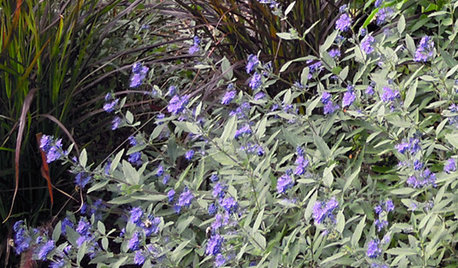
SHRUBS5 Glorious Late-Season Shrubs
Spilling over with berries or bursting with blooms, these stunning underused shrubs keep the garden party going through fall
Full Story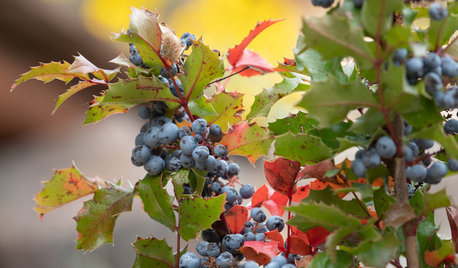
GARDENING GUIDES8 Deer-Resistant Elegant Evergreen Shrubs to Plant This Fall
Who knew that such beautiful shrubs could be deer-resistant?
Full Story
PURPLE FOLIAGE5 Purple-Leaf Majesties of Shrubs
Looking for beautiful depth and dynamism in your landscape? Just add purple
Full Story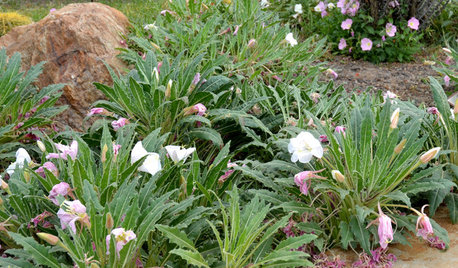
GARDENING GUIDES10 Cold- and Heat-Tolerant Perennials and Shrubs for the Arid West
These flowering native plants shrug off the cold of winter and heat of summer while adding beauty to the drought-tolerant landscape
Full Story
lynne_melb
bahia
Related Professionals
Tupelo Landscape Architects & Landscape Designers · Vineland Landscape Architects & Landscape Designers · New York City Landscape Architects & Landscape Designers · Baltimore Landscape Contractors · Houston Landscape Contractors · Williamsburg Landscape Contractors · Torrington Landscape Contractors · Chicago Landscape Contractors · Gloucester Landscape Contractors · Magog Landscape Contractors · Selma Decks, Patios & Outdoor Enclosures · Bainbridge Decks, Patios & Outdoor Enclosures · Baltimore Decks, Patios & Outdoor Enclosures · Yuba City Decks, Patios & Outdoor Enclosures · Bronx Decks, Patios & Outdoor Enclosuresnandina
inkognito
gardengal48 (PNW Z8/9)
inkognito
Cady
gardenfanOriginal Author