

Container fertilizer
16 years ago
Sort by:Oldest
Comments (5)
Related Stories

GARDENING GUIDESGet on a Composting Kick (Hello, Free Fertilizer!)
Quit shelling out for pricey substitutes that aren’t even as good. Here’s how to give your soil the best while lightening your trash load
Full Story
GARDENING GUIDESCommon Myths That May Be Hurting Your Garden
Discover the truth about fertilizer, soil, staking and more to keep your plants healthy and happy
Full Story
GARDENING GUIDESHow to Switch to an Organic Landscape Plan
Ditch the chemicals for a naturally beautiful lawn and garden, using living fertilizers and other nontoxic treatments
Full Story
GARDENING GUIDESHow to Keep Your Citrus Trees Well Fed and Healthy
Ripe for some citrus fertilizer know-how? This mini guide will help your lemon, orange and grapefruit trees flourish
Full Story
GARDENING GUIDESSouthwest Gardener's February Checklist
Orange you glad for a citrus-fertilizing reminder? And don't forget the recommended doses of vegetable seeds and cold-hardy flowers
Full Story
GARDENING GUIDESSouthwest Gardener's August Checklist
Manage monsoon effects, remember to fertilize and don't let the heat deter you from planting for fall
Full Story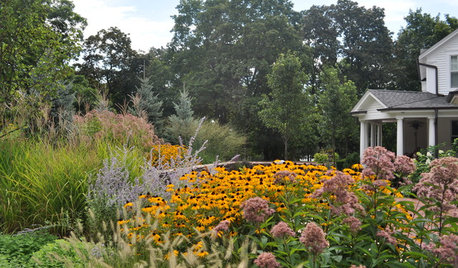
GARDENING GUIDESPacific Northwest Gardener: What to Do in September
Put in cool-weather veggies, fertilize your lawn and tidy the garden this month before chilly weather arrives
Full Story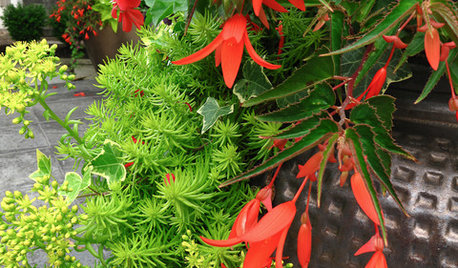
GARDENING GUIDESSuperstar Annuals for Containers and Baskets
High performing, low maintenance and all-around gorgeous, these container plants go the distance while you sit back and relax
Full Story
FARM YOUR YARDHow to Grow Vegetables in Containers
Get glorious vegetables and fruits on your patio with a pro’s guidance — including his personal recipe for potting mix
Full Story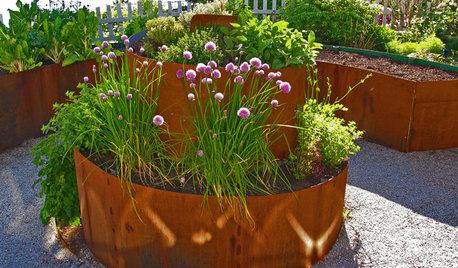
URBAN GARDENSContainers Make Growing Edibles a Cinch
If life hands you a lack of land, grow lemons — with a few basics, you can proudly reap the fruits, veggies and herbs of your labor
Full Story

justaguy2
donna_h
Related Professionals
Sarasota Landscape Architects & Landscape Designers · Florence Landscape Architects & Landscape Designers · Grand Rapids Landscape Architects & Landscape Designers · Elmira Landscape Architects & Landscape Designers · Utica Landscape Architects & Landscape Designers · Elkton Landscape Contractors · Hilton Head Island Landscape Contractors · Frisco Landscape Contractors · Leominster Landscape Contractors · South Sioux City Landscape Contractors · Wheeling Landscape Contractors · Belleville Home Builders · Winston-Salem Home Builders · Abilene Home Builders · Brattleboro Home Buildersengineeredgarden
donna_h
nullzero