

edible eggs????
19 years ago
Sort by:Oldest
Comments (8)
Related Stories
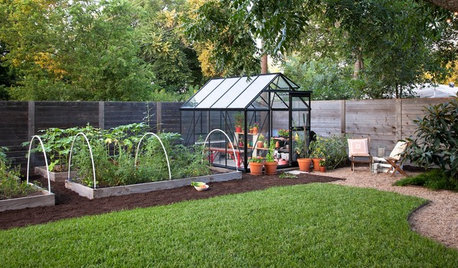
EDIBLE GARDENSA Formerly Weedy Lot Now Brims With Edibles and Honeybees
Photographers transform their barren backyard into an oasis filled with fruit, vegetables, honey, eggs and more
Full Story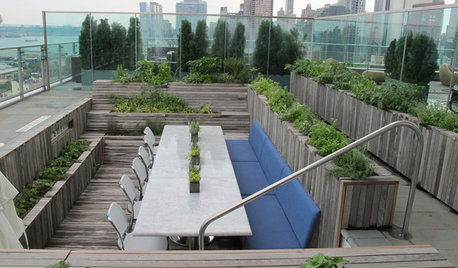
EDIBLE GARDENSLessons From an Edible Garden on a City Roof
Reincarnation of New York City rooftop pool proves edible landscaping is possible just about anywhere
Full Story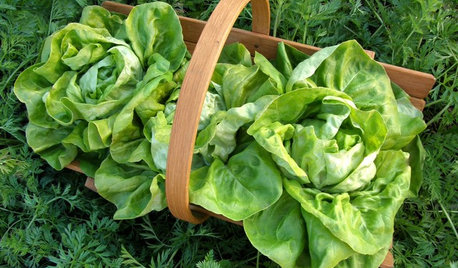
GARDENING GUIDES10 Easy Edibles for First-Time Gardeners
Focus on these beginner-friendly vegetables, herbs, beans and salad greens to start a home farm with little fuss
Full Story
FARM YOUR YARDHow to Grow Vegetables in Containers
Get glorious vegetables and fruits on your patio with a pro’s guidance — including his personal recipe for potting mix
Full Story
GARDENING AND LANDSCAPINGFeast Your Eyes on Edible Gardens
Gorgeous vegetables, solo or paired with ornamental flowers and grasses, make landscapes easy to swallow
Full Story
EDIBLE GARDENS7 Edible, Pretty Wonders of the Plant World
It's OK to like them just for their looks, but these flowers, trees and greens have a tasty side too
Full Story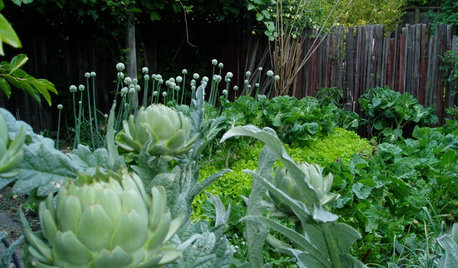
FRONT YARD IDEAS10 Ideas for a Front-Yard Edible Garden Your Neighbors Will Love
Choosing attractive, well-mannered plants and sharing the bounty will go a long way toward keeping the peace
Full Story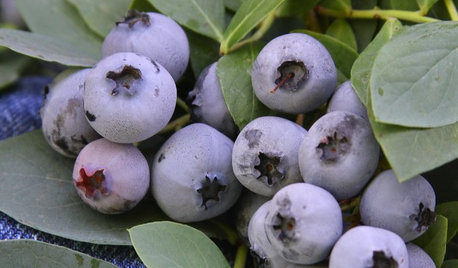
GARDENING GUIDES15 Favorites for Your Summer Edible Garden
Get your summer garden off to a good start with these popular fruits and vegetables
Full Story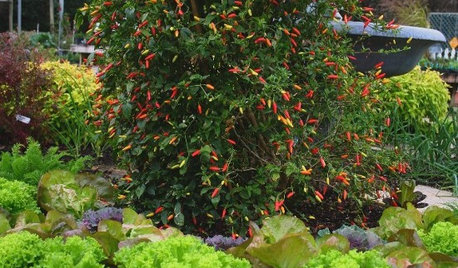
EDIBLE GARDENS6 Summer Edibles That Can Really Take the Heat
When garden temperatures soar, these herbs and vegetables rise to the challenge
Full Story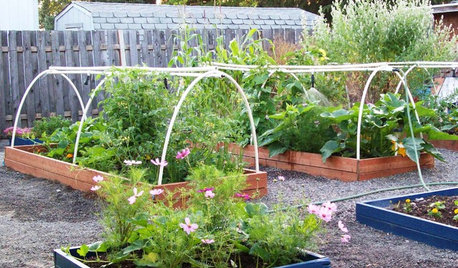
BENEFICIAL INSECTSAttract Pollinators for a Productive Edible Garden
You can lure bees, butterflies and birds into your yard with the right flowers and nesting spots
Full Story
Sponsored
More Discussions
Maggie_J
velvet_sparrow
Related Professionals
Belleville Landscape Architects & Landscape Designers · Danbury Landscape Architects & Landscape Designers · Lincoln Landscape Architects & Landscape Designers · Madison Landscape Architects & Landscape Designers · Denver Landscape Architects & Landscape Designers · York Landscape Architects & Landscape Designers · Medford Landscape Contractors · West Palm Beach Accessory Dwelling Units · Charleston Accessory Dwelling Units · Lawrenceburg Accessory Dwelling Units · Enfield Accessory Dwelling Units · Pittsfield Accessory Dwelling Units · Duluth Accessory Dwelling Units · Saint Cloud Accessory Dwelling Units · Salem Accessory Dwelling Unitsmersiepoo
giventake
giventake
Maggie_J
woodyend
mokevinb