Software
Houzz Logo Print
paulns

sick chick - botulism?

19 years ago

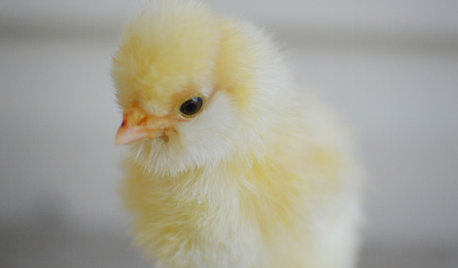
We brought home our first four chicks from the farmers co-op last Friday. Yesterday morning one of them was cheeping loudly and flopping around. We put it in its own box, put the other three in a new clean box, and did an internet search of chick diseases. Today the chick is still floppy - legs, neck - and just huddles, although it struggles when we try to give it water, and it won't eat...no change since yesterday morning. A couple of days ago, for fun, we had given the chicks a red wiggler worm from the garden to see what they'd do with it. One chick ate it. I'm not sure if it was the one that is now sick. I'm reluctant to call a vet about this - thought I'd check here to get first hand experience. We thought we were doing a good job of keeping things clean - changing bedding and water every day, although water and food are in tuna cans, which get messed up pretty quickly...

Any advice? Would anybody venture a prognosis?

Comments (4)

  • 19 years ago

    What breed is it? Any of the other chicks showing any symptoms? I'm sure you know this, but if you suspect bad or moldy feed, throw it out right away and get fresh. Another cause of Crookneck/Limberneck is a head injury with subsequent brain swelling.

    Read up online about Limberneck/Crookneck and Stargazing/Twirling to see if the symptoms match your situation. The short version though, is this: Head injuries can happen during shipping of birds or if the bird is startled and bumps it's head, another bird pecks it on the head, or a nasty respiratory infection such as a head cold can also cause the brain to swell. I call this a Head Boink. :) Symptoms are the birds' inability to stand properly or lift it's head, backing up constantly, tucking it's head between it's legs, a drunken stagger, dragging it's head from side to side on the ground or flipping upside down/tumbling.

    Crookneck/Limberneck can also be caused by a nutritional deficiency (or moldy seed), but in these days of balanced nutrition chicken feed it doesn't happen very often--usually it's because someone has raised a chicken on a diet of just bird seed, for instance. There are home treatments for Head Boinks that work well most of the time, but they can be lengthy and the bird takes a lot of care and some handfeeding. Happily, I have used the Vitamin E/Selenium treatment with complete success.

    Here's what I do for affected birds. If started before symptoms get severe, the bird should totally recover. It is important to be sure the bird gets enough to eat and drink while it has this problem. Birds with severe cases of crookneck can't eat and drink enough to survive. You will need to gently place their head in the feed dish and carefully dip just the tip of the beak in water. Be careful not to dip too far into the water and to not stress the bird while trying to help. If VERY severe, you may have to handfeed the bird for a few days.

    Once a day, give orally:
    50 mgs. of Selenium
    400 IU of vitamin E

    Poke a hole in one end of a vitamin E capsule and squeeze the contents into a small dish. Cut a 200 mg. Selenium tablet into quarters, take one quarter and crush it, mix crushed amount with vitamin E. Handfeed the mixture to the chick (I use a matchstick).

    You can get both medications over the counter at any drugstore. I have successfully and safely used this treatment on baby chicks--I have a 5 month old Silkie hen running around in the back yard right now who had a VERY bad case of this and fully recovered after only a week of treatment. You need to isolate the chick to keep the other birds from pecking it and making things worse. Keep it warm and quiet. More info is on my chicken info site, here:

    http://home.earthlink.net/~velvetsparrow/VSChickHealth.htm

    Good luck with the chick! :)

    Velvet ~:>

  • 19 years ago

    It's good to know, for future reference, a home treatment for crookneck. So thanks Velvet! Our chick, which is still hanging in there, but barely, is a golden comet, it's the only one sick, and the symptoms match descriptions of botulism. Our neighbour was over (she's been away this past week), she has a lot of experience with hatching and raising chicks, and doesn't know what's wrong either but says factory farmed chicks are more susceptible to disease and toxins than farm raised ones, that the former shouldn't be fed 'wild' food when they're so little, but that it might be a genetic problem kicking in, considering the chick is still alive. Some environmental toxin would probably have killed it quickly.

  • 19 years ago

    Sorry, maybe I wasn't clear--TRY THE SELENIUM/VITAMIN E treatment right now--don't wait. It can't hurt, and time is of the essence here. With quick intervention this bird can fully recover, quickly.

    Velvet ~:>

  • 19 years ago

    The little tyke died yesterday. We are sad. I talked to somebody who keeps chickens most years - layers, broilers - described this chick's problems, and they said the exact same thing happened to them all the time, some years they've lost as many as half of their chicks, the same symptoms setting in even when the chicks weigh a couple of pounds. They think the cause is in the breeding - over-hybridizing. This made me more hopeful the worm wasn't the problem.

    Velvet, I considered making a special trip yesterday to the pharmacy 10 miles away to spend money on vitamins to treat a sickness that didn't look like crookneck but decided against it. It just went against common sense.

    It would have been good to get an opinion here on what, exactly, this chick's problem might have been..

Sponsored
Whisler Home Improvement
Average rating: 5 out of 5 stars9 Reviews
Franklin County's Committed Home Improvement Professionals