

Hay question
21 years ago
Sort by:Oldest
Comments (6)
Related Stories
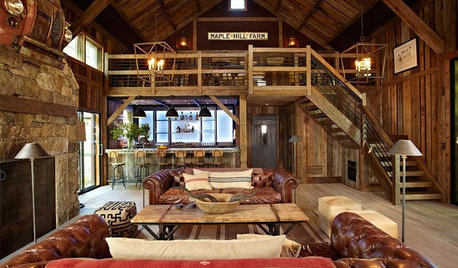
BARN HOMES12 Bar-Raising Barns
Homeowners make hay out of renovated, reclaimed and newly raised outbuildings
Full Story
FLOORSIs Radiant Heating or Cooling Right for You?
Questions to ask before you go for one of these temperature systems in your floors or walls (yes, walls)
Full Story
PETSSo You Want to Get a Cat
If you're a cat lover, the joys outweigh any other issue. If you haven't lived with one yet, here are a few things to know
Full Story
HOUZZ TOURSMy Houzz: Budget-Friendly Decorating Updates for a Great Room in Texas
Antiques rub elbows with new furnishings in this Dallas ranch, where the living and dining area got a $5,000 makeover
Full Story
BEDROOMS15 Nightstands That Are Not Your Average Bedside Tables
Take another look at that unusual antique or flea market find. It could have a new life next to the bed
Full Story
HOUZZ TOURSMy Houzz: In Brooklyn, Family Heirlooms and a Global Perspective
Family keepsakes, African art and black walls add character to a couple’s New York apartment
Full Story
GARDENING GUIDES6 Native Goldenrods Worth a Second Look
Goldenrod gets a bad rap as being aggressive, but these more mannerly choices offer a bunch of benefits
Full Story
DECORATING GUIDESBreathe Easier by Allergyproofing Your Home
Don't turn your nose up at these simple ways to keep pollen and other allergens from infiltrating your home
Full Story
HOUZZ TV FAVORITESHouzz TV: Life, Love and Purpose Down on the Farm
A Missouri native proves that you can go home again — and discover something entirely unexpected
Full Story
EDIBLE GARDENSSummer Crops: How to Grow Tomatoes
Plant tomato seedlings in spring for one of the best tastes of summer, fresh from your backyard
Full Story
Sponsored
More Discussions

DPallas
ladybug1
Related Professionals
Vincennes Landscape Architects & Landscape Designers · Lawrenceburg Landscape Architects & Landscape Designers · Brunswick Landscape Contractors · Jacksonville Landscape Contractors · Bartlesville Landscape Contractors · Portland Landscape Contractors · Jamestown Landscape Contractors · Eau Claire Landscape Contractors · Glenwood Springs Landscape Contractors · Belleville Accessory Dwelling Units · Waco Accessory Dwelling Units · Barnstable Accessory Dwelling Units · New York City Accessory Dwelling Units · Burlington Accessory Dwelling Units · Santa Rosa Accessory Dwelling Unitsforest_er
johanna_hOriginal Author
goodhors
ladybug1