

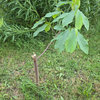
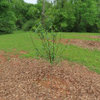
Pruning 1 year old apple trees???
16 years ago
Sort by:Oldest
Comments (5)
Related Stories

WINTER GARDENINGPruning Secrets for Exquisite Roses
Encourage gorgeous blooms year after year with this time-tested advice on how to prune your rosebush in winter for health and shape
Full Story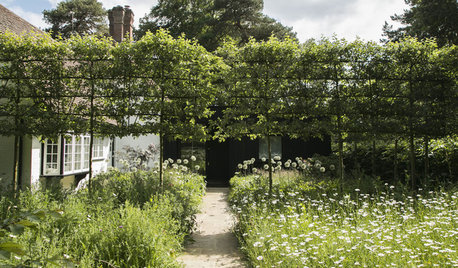
GARDENING AND LANDSCAPINGCrab Apple Trees Set Off a Stylish English Courtyard
A structure of pleached crab apple trees, bordered by a wildflower meadow, links a minimalist addition to an old house in Buckinghamshire
Full Story
EDIBLE GARDENSHow to Add an Apple Tree to Your Edible Garden
Readily available, beautiful and fragrant, apple trees offer four-season interest along with crisp, juicy fruit
Full Story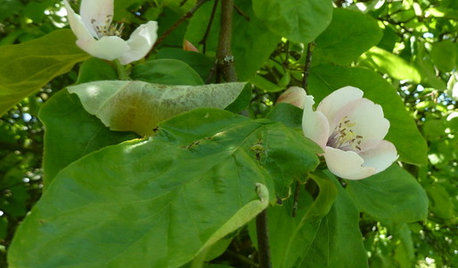
EDIBLE GARDENSWhy Grow Quince? For Beauty, Fragrance and Old-Time Flavor
Delightfully perfumed fruit and lovely spring blossoms make this apple and pear cousin worth a spot in the garden
Full Story
GARDENING GUIDESTidy Up Sprawling Native Shrubs With These Pruning Tips
Sound horticultural pruning methods work for native and nonnative plants alike
Full Story
HOMES AROUND THE WORLDHouzz Tour: Personal Warmth in a 90-Year-Old Swedish Villa
A family outfits its 1926 seaside home with a mix of modern and traditional furnishings and a clear vision of home as sanctuary
Full Story
GARDENING GUIDESHow to Prune Your Flowering Shrubs for the Best Blooms
Less is often more when it comes to properly pruning flowering shrubs. Here’s what to do and why
Full Story
MODERN HOMESHouzz Tour: 800-Year-Old Walls, Modern Interiors in Provence
Old architecture and new additions mix beautifully in a luxurious renovated vacation home
Full Story
GARDENING GUIDESGot Frost-Damaged Plants? How It Happens, and When and How to Prune
Don’t rush to cut back brown, brittle growth after a freeze
Full Story
EDIBLE GARDENSHow to Grow 10 Favorite Fruit Trees at Home
Plant a mini orchard in fall, winter or early spring to enjoy fresh-off-the-tree fruit the following year
Full Story

eskota
alan haigh
Related Professionals
Fort Smith Landscape Architects & Landscape Designers · Hot Springs Landscape Architects & Landscape Designers · Jacksonville Landscape Architects & Landscape Designers · Longview Landscape Contractors · Harrisburg Landscape Contractors · Sierra Vista Landscape Contractors · Palm Desert Landscape Contractors · Salem Landscape Contractors · Pensacola Home Additions · Knoxville Home Additions · Longview Home Additions · Gary Home Additions · Lewiston Home Additions · Toronto Home Additions · Cowansville Home Additionscebury
alan haigh
cebury