

Waste water for trees?
17 years ago
Sort by:Oldest
Comments (9)
Related Stories
HOUZZ TOURSMy Houzz: Wasting Not, Wanting Not in a New Portland House
Salvaged and secondhand elements make for a home that's earth conscious, thrifty and beautifully personal
Full Story
FEEL-GOOD HOME21 Ways to Waste Less at Home
Whether it's herbs rotting in the fridge or clothes that never get worn, most of us waste too much. Here are ways to make a change
Full Story
MOST POPULAREasy Green: 23 Ways to Reduce Waste at Home
Pick from this plethora of earth-friendly ideas to send less to the landfill and keep more money in your pocket
Full Story
HEALTHY HOME6 Tips From a Nearly Zero-Waste Home
Lower your trash output and increase your quality of life with these ideas from a mom who did it to the max
Full Story
BATHROOM MAKEOVERSWasted Space Put to Better Use in a Large Contemporary Bath
Bad remodels had managed to leave this couple cramped in an expansive bath. A redesign gave the room a luxe hotel feel
Full Story
GARDENING GUIDESHow to Keep Your Trees Healthy
Ensure your trees’ vigor for years to come with these tips for protecting roots, watering effectively and more
Full Story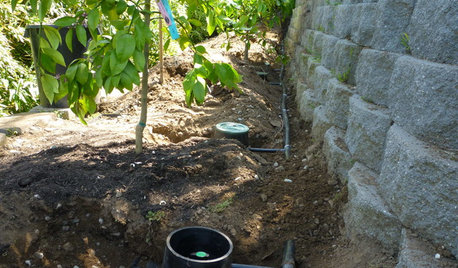
EARTH DAYGrow a Beautiful Garden With Ecofriendly Greywater
Reducing home water waste means lower bills and a healthier planet. Here's how to set up a greywater home irrigation system that can help
Full Story
GARDENING GUIDESEdible Gardening Essentials: Tips for Traditional Hand Watering
Save the expense and hassle of a complicated garden system with a simple watering can or inexpensive hose add-ons
Full Story
SAVING WATER11 Ways to Save Water at Home
Whether you live in a drought-stricken area or just want to help preserve a precious resource, here are things you can do to use less water
Full Story
INSPIRING GARDENSInside Houzz: A Waterfront Property Ditches the Grass for a Garden
New drought-tolerant plantings and outdoor gathering spaces help this California backyard take in the view without wasting space or water
Full Story



jean001
brandon7 TN_zone7
Related Professionals
Forrest City Landscape Architects & Landscape Designers · Yuba City Landscape Architects & Landscape Designers · Las Vegas Landscape Architects & Landscape Designers · Hot Springs Landscape Contractors · Dover Landscape Contractors · Vidalia Landscape Contractors · Selma Home Additions · Gulfport Home Additions · Hartford Home Additions · Ottumwa Home Additions · South Bend Home Additions · Jamestown Home Additions · Olean Home Additions · Allentown Home Additions · Provo Home Additionsgonebananas_gw
Michael
calistoga_al ca 15 usda 9
bejay9_10Original Author
Belgianpup
sautesmom Sacramento
gonebananas_gw