

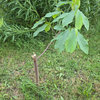
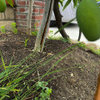
Pruning confusion.
15 years ago
Sort by:Oldest
Comments (3)
Related Stories
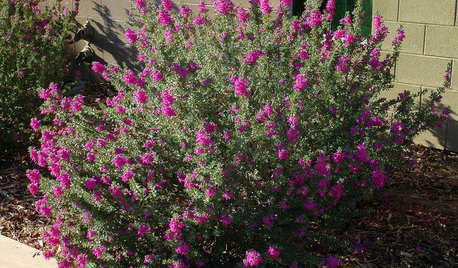
GARDENING GUIDESHow to Prune Your Flowering Shrubs for the Best Blooms
Less is often more when it comes to properly pruning flowering shrubs. Here’s what to do and why
Full Story
WINTER GARDENINGPruning Secrets for Exquisite Roses
Encourage gorgeous blooms year after year with this time-tested advice on how to prune your rosebush in winter for health and shape
Full Story
CONTAINER GARDENSContainer Garden Basics: How and When to Water Potted Plants
Confused about soil moisture, the best time to water and what watering device to use? This guide can help
Full Story
GARDENING GUIDESDesigning With Conifers: Find the Perfect Fit for Your Landscape
Conifers range from fairy-garden size to 70 feet tall. Here’s how to decifer the plant tag for the perfect long-term fit in your garden
Full Story
GARDENING GUIDESGreat Design Plant: Buddleja Marrubiifolia
Beautiful color, soft texture and the ability to thrive in the extreme temperatures of the Southwest make woolly butterfly bush a winner
Full Story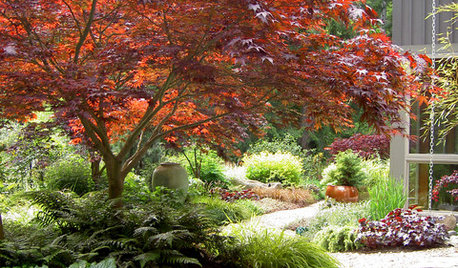
TREES11 Japanese Maples for Breathtaking Color and Form
With such a wide range to choose from, there’s a beautiful Japanese maple to suit almost any setting
Full Story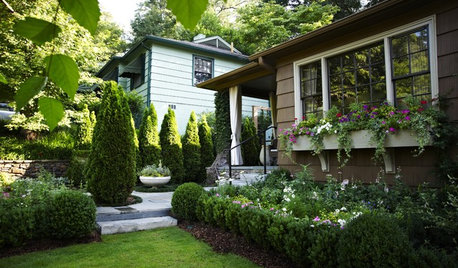
GARDENING GUIDES9 Low-Growing Hedges That Make Good Neighbors
Define garden areas or borders without blocking the view, with these evergreen shrubs that take kindly to trimming
Full Story
GARDENING GUIDESGreat Design Plant: Knock Out Roses
As glorious as their high-maintenance kin for a fraction of the work, Knock Out roses make even beginners look like garden stars
Full Story
GARDENING GUIDESGreat Design Plant: Convolvulus Cneorum
Bush morning glory’s silvery foliage is transformed every day as pinkish buds open to reveal white flowers
Full Story
GARDENING GUIDESHypericum Prolificum Brings the Best of St. Johnswort to the Garden
This eastern North American species pairs bright yellow summer flowers with compact shrubbery
Full Story


severtki
marknmt
Related Professionals
Wichita Landscape Architects & Landscape Designers · Georgetown Landscape Architects & Landscape Designers · Kalamazoo Landscape Architects & Landscape Designers · Jonesboro Landscape Contractors · Albany Landscape Contractors · Williamsburg Landscape Contractors · Akron Landscape Contractors · San Diego Landscape Contractors · Santa Maria Landscape Contractors · Portland Landscape Contractors · Honolulu Landscape Contractors · Selma Home Additions · Richmond Home Additions · Ontario Home Additions · Fairbanks Home Additionsalan haigh