

pruning young trees
16 years ago
Sort by:Oldest
Comments (2)
Related Stories

WINTER GARDENINGPruning Secrets for Exquisite Roses
Encourage gorgeous blooms year after year with this time-tested advice on how to prune your rosebush in winter for health and shape
Full Story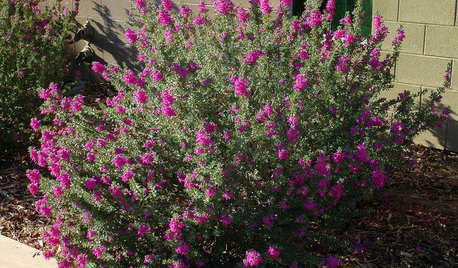
GARDENING GUIDESHow to Prune Your Flowering Shrubs for the Best Blooms
Less is often more when it comes to properly pruning flowering shrubs. Here’s what to do and why
Full Story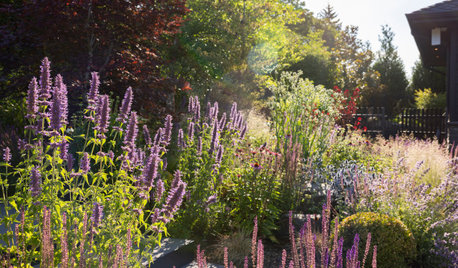
GARDENING GUIDESGot Frost-Damaged Plants? How It Happens, and When and How to Prune
Don’t rush to cut back brown, brittle growth after a freeze
Full Story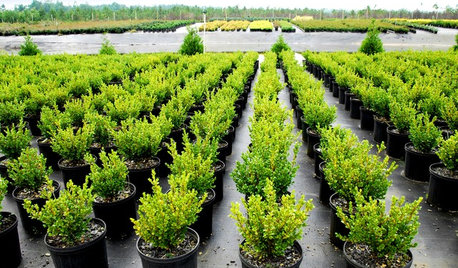
TREESHow to Buy Healthy Trees and Shrubs
A healthy young plant with a strong form is more likely to do well in your yard. Here’s what to look for at the nursery
Full Story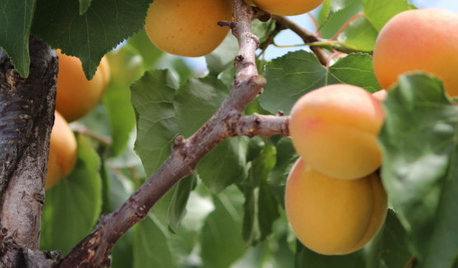
FARM YOUR YARDIf You Have Room for Only One Fruit Tree ...
Juice up a small garden with one of these easier-care or worth-the-effort fruit trees for a mild climate
Full Story
EDIBLE GARDENSHow to Grow 10 Favorite Fruit Trees at Home
Plant a mini orchard in fall, winter or early spring to enjoy fresh-off-the-tree fruit the following year
Full Story
TREESGreat Design Plant: Southern Live Oak Offers an Unbeatable Canopy
Keep it dense or prune it for more light. No matter how you grow Quercus virginiana, it’s a majestic addition to its native landscape
Full Story
GARDENING GUIDESPrunus Virginiana Thrives Under Deciduous Trees
Plant chokecherry for showy white flowers favored by native bees in spring, and to provide nesting habitat and food for birds
Full Story
GARDENING GUIDESCentral Plains Gardener's February Checklist
Learn the right way to prune trees this month — when you're not busy spying intrepid spring-hinting blossoms, that is
Full Story0

GARDENING GUIDESHow to Keep Your Citrus Trees Well Fed and Healthy
Ripe for some citrus fertilizer know-how? This mini guide will help your lemon, orange and grapefruit trees flourish
Full Story

brandon7 TN_zone7
alan haigh
Related Professionals
Chattanooga Landscape Architects & Landscape Designers · Georgetown Landscape Architects & Landscape Designers · Portland Landscape Architects & Landscape Designers · Coeur d'Alene Landscape Architects & Landscape Designers · Beaumont Landscape Contractors · Williamsburg Landscape Contractors · Waterbury Landscape Contractors · Portsmouth Landscape Contractors · Westerly Landscape Contractors · Sacramento Landscape Contractors · San Diego Landscape Contractors · Birmingham Home Additions · La Crosse Home Additions · Modesto Home Additions · Williston Home Additions