Software
Houzz Logo Print
westes

Pomegranate Tree Struggling After Transplant

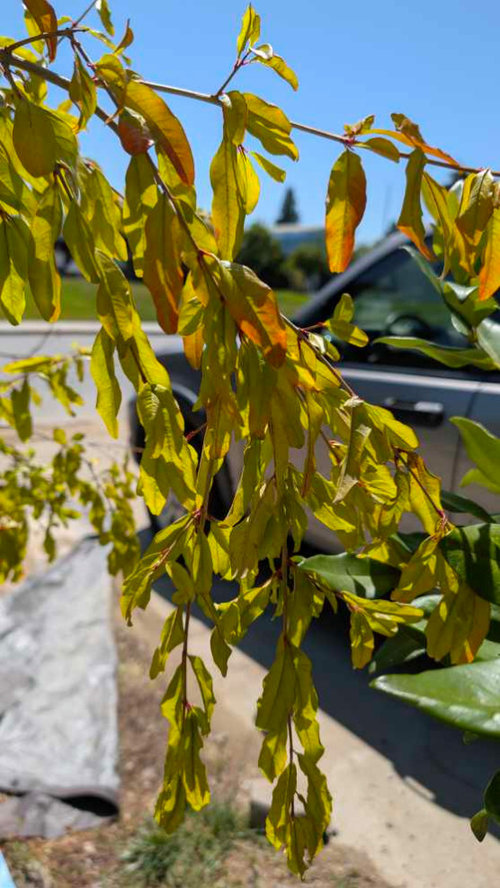
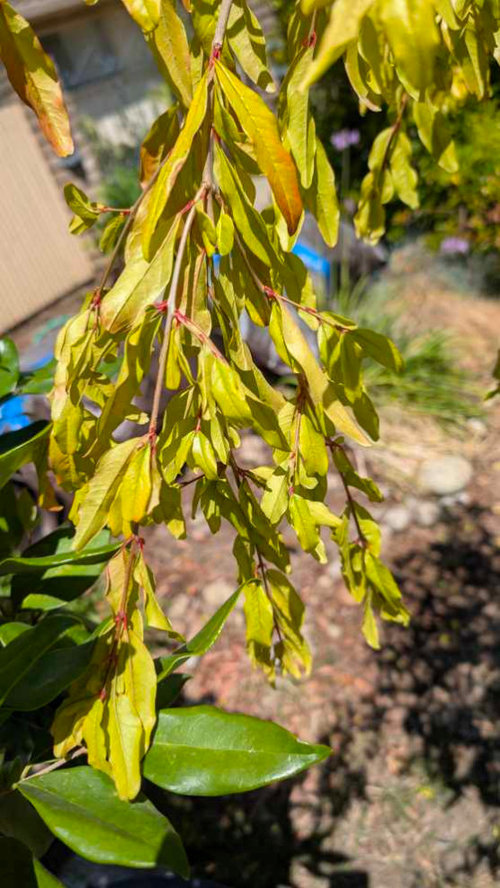
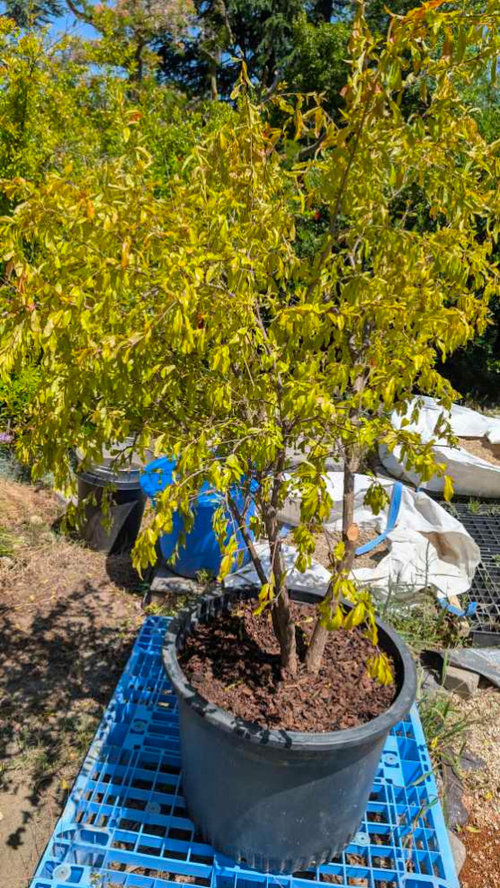
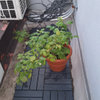
I had to move a pomegranate tree from one pot to another, and I lost maybe 20% of the roots in the process. The tree is now in a barky soil with composted turkey manure, and it drains extremely well. The new pot is 25 gallons, and the tree is about four feet high and maybe five years old. The leaves show the plant is struggling, in spite of regular watering. What can I do to improve the chances of this plant re-establishing?

It is getting full sun, so one option is to put a mesh over it to lower the light it receives. The soil tests high in potassium and phosphorus, but it could likely use a little nitrogen. I did not fertilize it, but I could add a slow-release nitrogen like feather meal.

I do realize that this is not the season for a transplant of a fruit tree. This unfortunately had to be done.


Comments (12)

  • 15 days ago

    Your last comment pretty much sums it up......I do realize that this is not the season for a transplant of a fruit tree.

    Transplant shock - and with a 20% loss of roots as well - is to be expected at this time of year. As floral indicates, careful monitoring of the watering is critical to reestablishment.


    westes Zone 9b California SF Bay thanked gardengal48 (PNW Z8/9)
  • 11 days ago

    I 2nd Floral's advice, esp giving it more shade while the roots recover. When it's in the direct sun then also shading that black container can help to keep the soil cool too.

  • 11 days ago

    The good news is the SF Bay area is a more forgiving area than other areas, with a little bit of a cooler summer climate (than many other areas), and pomegranate trees tend to be more drought tolerant than other fruit trees and have more ability to recover.


    Keep it consistently watered, and some partial shading (during the summer) will certainly help.

    The plant likely will lose many of its leaves, but in this case it can probably recover in another year or two.

    westes Zone 9b California SF Bay thanked socalnolympia
  • 10 days ago
    last modified: 10 days ago

    @socalnolympia The tree definitely looks like it is undergoing extreme stress and is in the process of shedding nearly all of its leaves. Are you saying that in the case that it loses all of its leaves, it still might recover?


    I am also wondering about the potting mix I used. It's an acid-loving mix that is mostly bark and composted turkey manure. I had read that pomegranates really prefer an extremely well-drained soil and can do well in very barky mixes. I measured pH over 6 so it was not heavily acid.

  • 10 days ago
    last modified: 10 days ago

    I'm not absolutely sure, but it's possible if it loses all its leaves it may be able to recover next year.

    A general rule is that the roots need as much space as the leaf canopy. Right now the plant does not have enough roots, and so cannot sustain the top.

    The soil and moisture level can be a little bit tricky. You want to keep it from drying out (or allow it to dry sometimes but prevent it from being dry too long). But at the same time excessive water with muddy soil can suffocate the roots and lead to rot.

    You will first want to give it adequate soil space for the roots to be able to grow out, and then try to keep consistently watered, so that the soil does not become too dry for too long. It can be tricky and difficult to get it right.

    I'm not sure about a mix of mostly bark and manure. I usually prefer a mix of "raised bed" soil combined with "potting soil", and sometimes a little (10%) compost. I try to put the "raised bed" soil more in layers at the very bottom and at the very top.

    If it's mostly bark, I'm not sure it will be able to hold enough water or moisture adequately. I'd imagine it would mostly run right through.

    westes Zone 9b California SF Bay thanked socalnolympia
  • 10 days ago
    last modified: 10 days ago

    Let's be very clear about what is being discussed. This is a container grown plant and the transplanting involved was from one container to another. Therefore, one is best addressing the plant's concerns from a container gardening point of view.

    The container size is more or less irrelevant, as all that will do is restrict the ultimate size of the tree. Container grown woody plants rarely grow to their 'mature' size as it is a natural dwarfing process. It is also expected that they will be routinely repotted, with soil refreshed/replaced and the roots pruned as necessary.

    Also, most experienced container gardeners realize that a bark-based potting soil is advocated for woodies; layering different types of soil in a container impedes proper drainage; and any compost should be restricted to an absolute minimum if added at all. Nutrient needs for a containerized plant are best left to actual fertilizers, not compost.

    And watering IS key!! But then again, watering a containerized plant is always key. Just more of a concern with a recent transplant with severe root disturbance.

    westes Zone 9b California SF Bay thanked gardengal48 (PNW Z8/9)
  • 10 days ago
    last modified: 10 days ago

    @gardengal48 (PNW Z8/9) The soil amendment I am using as the potting soil is Lyngso's "Rhododendron Mix":

    https://store.lyngsogarden.com/products/rhododendron-mix-124.html

    If you look at the PDF linked to the product information link, you will see it tests high on potassium and phosphorus and more moderate on nitrogen. If the plant starts to recover, I might give it some slow-release nitrogen, such as feather meal.

    Would you amend this soil in any way? I could mix in some ordinary potting soil, which might help with moisture retention. My biggest concern for this soil is that it is too well-drained and gives me very low margins for underwatering.

  • 10 days ago

    My primary priorities with a container planting will always be the soil mix. I do not care about any nutrient content - that will be (and should be) addressed only by fertilization, not the mix itself. It should be of slightly acidic pH, freely draining and with high porosity. Unless the potting medium is pure gravel, it's hard to imagine how a potting mix is "too well-drained". That is the primary benefit of a bark-based mix - it is fast draining yet moisture retentive and will maintain its porosity.

    Underwatering can always be an issue with a container planting. It is a matter of getting used to the potting medium and the plant's individual water requirements. I tend to err on the side of caution and water as frequently as I believe necessary, given my experience that my soil mix drains well and quickly. There is a much greater chance of a plant recovering from underwatering than there is of one recovering from overwatering.


    westes Zone 9b California SF Bay thanked gardengal48 (PNW Z8/9)
  • 9 days ago
    last modified: 9 days ago

    Westes i am going theough a similar situation in a plantation. if you can move the tree awesome! take it with you to the house for at least 3 weeks were it doesnt get aggresive sun because the roots are offline for now so the water even if it would be in compost or soil (like the soil from israEL where your species is from) is not just water but the ability of the plant to cope with the heatsssss. if you touch the leaves sometimes even if you water youd notice theyre not cool because the plant is dizzy still so shade is your friend (although your summers are mild still let it stay in the bright light of the house for no less than 2 weeks and then move to morning (supervised hourly) sun meaning check every hour to see if it wilts again. about the mix, well if the plants native habitat is bark then treat it like an orchid (but i havent seen pomegranates in bark in the wild nor think they could survive the hot israELi summer being so dry from spring even after a cool rainy winter and fall) so compost made by you wont hurt but either change it now or wait till it recovers because a plant shouldnt be pushed to do so many things at once in the ER, something extra you should google is ”compost extract experiments on pomegranates, strawberries etc to see the real benefits of squeezed poison free compost into water then watering the leaves and soil deeply once at least. what other plants you have? or fruit trees? (btw remember potting mix is just dead so you have to buy their fertilizers which salt the soil and make it infertile overtime (if soil ran out of nutrients imagine how the big trees around you would have stopped growing loong time ago or how the sequoias in california wouldnt be so tall and i talk this much because it hurts to lose trees

    westes Zone 9b California SF Bay thanked Xavier Cruz Gomez
  • 8 days ago

    i am going theough a similar situation in a plantation

    No, you are not. Poms grown in a plantation setting - in the ground - are not at all the same as poms grown in a container.

    It is not advised to bring the plant indoors for any amount of time. They are not houseplants and will not enjoy indoor conditions. The tree's roots are not "offline" - this is the primary growing season here and roots are very active at this time of year.

    No one said bark is the tree's native habitat........but it is the best primary ingredient for a container planting soil (other than for bog plants). Also, the comments about fertilization have no validity with container plantings. The above post is random and inaccurate and has virtually no bearing on anything grown in a container. I seriously wish those who would like to or feel the need to comment read the initial post and subsequent comments carefully before replying so we are able to avoid these confusing and misleading add-ons that only muddy the discussion.

    Whoever heard of a plant being dizzy......??????? How would you know?


  • 8 days ago

    ∧∧∧ WTF??