

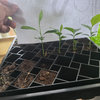
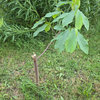
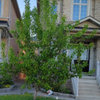
Pear tree - thin leaves and strange clusters
18 years ago
Sort by:Oldest
Comments (4)
Related Stories
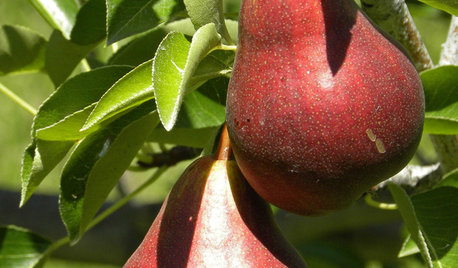
EDIBLE GARDENSHow to Grow Your Own European and Asian Pears
Try these trees for their good looks, delicious fruit and wide range of sizes — plus you can espalier them
Full Story
FALL GARDENING11 Trees for Brilliant Fall Color
Give your landscape the quintessential look of autumn with the red, orange and yellow leaves of these standouts
Full Story
EDIBLE GARDENSWhy Grow Quince? For Beauty, Fragrance and Old-Time Flavor
Delightfully perfumed fruit and lovely spring blossoms make this apple and pear cousin worth a spot in the garden
Full Story
HOLIDAYSChristmas Tree Decorating the Painless Way
Holidays are for carols, not cussing. Make tree trimming less work and more fun with this guide at your side
Full Story
GARDENING AND LANDSCAPINGCrazy for Fruit Trees
Whether a single citrus or a mini apple orchard, even the smallest landscape space can bear deliriously delicious fruit
Full Story
GARDENING GUIDESPlant Black Cherry Trees for the Birds and Bees
Plant Prunus serotina in the Central and Eastern U.S. for spring flowers, interesting bark and beautiful fall color
Full Story
TREES7 Deer-Resistant Flowering Trees to Plant this Fall
If you live in a neighborhood with roaming deer, consider these beautiful trees that won't tempt hungry guests
Full Story
FARM YOUR YARDIf You Have Room for Only One Fruit Tree ...
Juice up a small garden with one of these easier-care or worth-the-effort fruit trees for a mild climate
Full Story
EDIBLE GARDENSHow to Add an Apple Tree to Your Edible Garden
Readily available, beautiful and fragrant, apple trees offer four-season interest along with crisp, juicy fruit
Full Story
EDIBLE GARDENSHow to Grow 10 Favorite Fruit Trees at Home
Plant a mini orchard in fall, winter or early spring to enjoy fresh-off-the-tree fruit the following year
Full Story

gonebananas_gw
jmzmsOriginal Author
Related Professionals
Cape Coral Landscape Architects & Landscape Designers · Pittsfield Landscape Architects & Landscape Designers · Longview Landscape Architects & Landscape Designers · Cherry Hill Landscape Contractors · Florence Landscape Contractors · Knoxville Landscape Contractors · Cedar Rapids Landscape Contractors · Boston Landscape Contractors · Mission Viejo Landscape Contractors · Elizabethtown Home Additions · Hannibal Home Additions · College Station Home Additions · Niles Home Additions · Lima Home Additions · Wheeling Home Additionsgonebananas_gw
hairmetal4ever