

Soil for Fruit Trees
15 years ago
Sort by:Oldest
Comments (8)
Related Stories
LANDSCAPE DESIGNFlood-Tolerant Native Trees for Soggy Soil
Swampy sites, floodplains, even standing water ... if you've got a soggy landscape, these trees are for you
Full Story
EDIBLE GARDENSHow to Grow 10 Favorite Fruit Trees at Home
Plant a mini orchard in fall, winter or early spring to enjoy fresh-off-the-tree fruit the following year
Full Story
FARM YOUR YARDIf You Have Room for Only One Fruit Tree ...
Juice up a small garden with one of these easier-care or worth-the-effort fruit trees for a mild climate
Full Story
EDIBLE GARDENSGrow Plum Hybrids for Your Favorite Fruit Flavors
Plums are cozying up with apricots, peaches and even cherries — here’s how to grow these hybrids for the best aspects of each
Full Story
GARDENING GUIDESHave Acidic Soil in Your Yard? Learn to Love Gardening Anyway
Look to acid-loving plants, like conifers and rhododendrons, to help your low-pH garden thrive
Full Story
GARDENING GUIDESGreat Design Plant: Grow Blueberries for Their Fruit and More
Eastern gardeners should consider growing blueberry plants for their delicious fruits, bee-friendly spring blooms and brilliant fall foliage
Full Story
GARDENING GUIDESInvite Cellophane Bees to Your Garden by Providing Patches of Bare Soil
Look for cellophane bees (Colletes) pollinating flowering trees and shrubs in U.S. gardens this spring
Full Story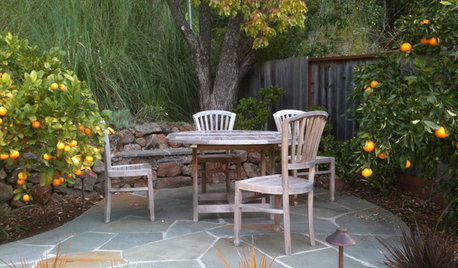
GARDENING AND LANDSCAPINGCrazy for Fruit Trees
Whether a single citrus or a mini apple orchard, even the smallest landscape space can bear deliriously delicious fruit
Full Story
FALL GARDENING5 Fall Fruits You Can Grow in Containers
Brighten your porch or patio with a potted pomegranate, kumquat, blueberry bush or another great fall fruit
Full Story
MOST POPULARHow to Get Rid of Those Pesky Summer Fruit Flies
Learn what fruit flies are, how to prevent them and how to get rid of them in your home
Full Story


misterbaby
Trapper_Original Author
Related Professionals
Pittsburg Landscape Architects & Landscape Designers · Frisco Landscape Architects & Landscape Designers · New Braunfels Landscape Architects & Landscape Designers · San Marcos Landscape Architects & Landscape Designers · Hartford Landscape Architects & Landscape Designers · Leamington Landscape Architects & Landscape Designers · Vancouver Landscape Architects & Landscape Designers · Florence Landscape Contractors · Sioux City Landscape Contractors · Plymouth Landscape Contractors · Tampa Home Additions · York Home Additions · New Haven Home Additions · Bangor Home Additions · Odessa Home Additionsmisterbaby
Kevin Reilly
misterbaby
Trapper_Original Author
alan haigh
Trapper_Original Author