Software
Houzz Logo Print
beeonegw

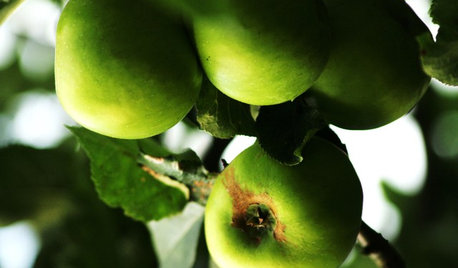
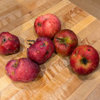
McIntosh Apples falling

19 years ago

My McIntosh apple tree is dropping its apples, but they won't be ripe for another month or so yet. The tree has quite a few apples on it, but it isn't "loaded". A lot of the apples also have worms and I know they often come off a little early, but this early drop has happened the last couple years and we always picked lots of wormy apples with the good ones in years past after everything was ripe.

Traditionally we haven't picked the apples until just after 1st frost when they would gain a lot of flavor, but the last couple years, they were all on the ground and still quite green by early Sept. No wind, we don't have squirrels, just birds which are actively pecking the apples. Still, when I am out there, no birds in the tree, I will just hear them falling periodically. The tree did get a bit dry at times earlier in the summer, but has not been dry for the last few weeks at least.--not wet, either.

Anybody have any suggestions on why this is happening? Anything I can do to encourage the apples to stay in place until ripe?

Comments (9)

  • 19 years ago

    beeone:

    There can be a lot of variation in apple and other fruit crops from year to year, due to factors like differences in weather patterns and levels of insect infestation.

    Your premature fruit drop indicates some fairly serious problem with the apples, and I would suspect insect damage first. Of course, I don't know what you consider an adequate level of fruit thinning either.

    In my orchard, apples that are damaged by insects such as the plum curculio and codling moth are always the first to drop, usually before they are ripe. These apples seldom achieve much size either. You don't mention whether you have conducted a regular spray program, or the types of insects found on your apples, but I would suggest you consider spraying next season as one option to preserve your apples. Bagging in ziplock sandwich bags is another technique that I am using myself to practically eliminate the need for season-long spraying, but I need to apply several early sprays with Imidan or the plum curculio will damage the fruit even before I get a chance to thin and bag it.

    Apples cannot be encouraged to stay on the tree when there are reasons for them to fall.

    Don Yellman, Great Falls, VA

  • 19 years ago

    Thanks. Unfortunately not good news. Only pest pressure is codling moth. Was overwhelmed with work Apr. to late July this year, didn't get a spray program going, so have a lot of wormy apples. Finally got first spray about the 1st of Aug. and again since, but know it was too late for much help. Did not thin apples earlier, trees did thin themselves. Currently apples average about 6 inches apart on branches.

    Have read your posts promoting summer pruning, along with others, so decided to try it as spring pruning seems to create more and more pruning work each year to maintain tree size, and did get into the tree the last 2 weeks and pruned out the summer growth so tree actually looks nice again. Hopefully it will reduce pruning needs in the future.

    Usually spray with bt spray plus whatever I have--Diazinon, Sevin, Malathion, Metasystox. Don't know that bt sprays do any good on apples, but sprayed garden at same time and bt holds longer than the other sprays on mustard family crops such as broccoli and cabbage. Always include a dab of surfactant to the spray mix as it really makes a difference in spreading the spray.

  • 19 years ago

    This may or may not be helpful, but I seem to remember reading somewhere years ago that, historically, McIntosh trees were prone to pre-harvest drop. I did a quick web search and didn't come up with any brilliant smoking gun data, other than the following blurb which tends to confirm what I remember:

    "Ideally suited to certain regions in Canada, the apple is characterized by a beautiful juicy, white flesh and a delicious sweet taste. At first, although recognized as a superior tasting apple, the McIntosh had three weaknesses that held it back from attaining the fame it now enjoys. Once new techniques and materials were discovered that overcame its tendency to scab disease, pre-harvest drop and curb storage problems, the popularity of the apple knew no bounds."

    So, I don't know if that has any bearing on your situation, but it might explain something.

    Don

  • 19 years ago

    Here's another resource. Again, McIntosh are singled out as being prone to early drops

    Here is a link that might be useful: Apple Drop Info

  • 19 years ago

    Thanks for the link. I've looked at the newsletter before but not that issue. I had heard that McIntosh were prone to early drop, and I've noticed they tend to start falling a little early, but it has been worse than usual the last couple years to the point they don't actually get ripe. Might have to investigate the treatments listed and see if they would be practical. Probably better in the long run to try to find the stresses and attempt to reduce them. We'll see what develops.

  • 18 years ago

    Can anyone in the world tell me how I get my hands on a Mcintosh apple tree because after extensive scouring of UK websites and garden centres I find purchasing such an item impossible. Perhaps I may be able to buy direct from the US or Canada? Does anyone know the rules of exporting these sort of items?

    kind regards

    Pollin8tor

  • 18 years ago

    You can find Macintosh in the UK at the Brogdale National Fruit Collection www.brogdale.org

    As for your second question; exporting apple scionwood is easy- it's importing scionwood that's a real bear. You will have to check with your Ministry of Agriculture for restrictions on importing malus. Here in the USA it is a three year process as it goes through virus screening and quarantine.

    Applenut

  • 18 years ago

    Beeone,

    I have an orchard North of Cody. My 80 Mc Intosh are ripe for almost 2 months and require picking at least once a week. There was an unfortunate wind that brought a lot of mine down early last year. If you try to pick them early they are hard to get off the branch. Pick the red ones every week and work on the moths. DO you have any scion wood to trade?
    Thanks, Cary

  • 18 years ago

    Cary: Used to be a lot of fruit trees near Bridger, not so many anymore but still a few around, if that is your area.

    I'm around 35 miles east of Cody in the middle of the Basin.

    We used to pick the McIntosh in late Sept. or early Oct. after a few frosts, but last few years they start dropping in Aug. and if there are any left by late Sept., we pick them then when the green starts to lighten up a little, then they finish ripening in storage. We also have a lot of house finches and English sparrows which start eating on the fruit in Aug. Wind is a problem when thunderstorms go through, and that brings a few more down. As some folks have explained above, McIntosh appear to be prone to fruit drop. I am suspecting that lack of water has probably increased the drop the last few years as I haven't had the irrigation water to regularly irrigate the apples and end up sprinkling with the hose, but I can't rotate the hose around the yard fast enough to keep everything from drying out pretty good between waterings.

    Coddling moth is always a problem--really the only insect problem. Have tried spraying on a weekly schedule from bloom until Sept., have sprayed once or twice a year, have not sprayed at all. The level of infestation seems to have no relationship to how much or when I spray, though. Some years, everybody has good apples, some years they are all wormy throughout the area.

    Right now I have the McIntosh, next to it is a Yellow Transparent that is slowly dying. It seems to be hammered by fireblight every year and probably has some other problems. I've also got a Whitney crab which is a great tree and produces tons of apples every year. Beyond that, I have a few new trees planted recently that are just trying to get started and a bunch of seedlings I grew which I tried grafting some Yellow Transparents onto last year so that when the original tree finally bites the dust I will still have some of that variety. The deer hammered the seedlings last fall, but didn't seem to bother the grafts, several of which took.

    This year I plan to try grafting a few scions I cut from 2 of a neighbors trees a couple weeks back. These trees had really delicious apples last Oct, and nobody lives there anymore. I asked the son of the people who owned the place if he minded if I cut a few and he was fine with it. Unfortunately, we don't know what the varieties are.

    I've been planting/experimenting with a lot of other fruits the last few years in the hopes that I can find some that will be hardy to this area. So far, everything seems to be doing well, but all it takes is one winter to prove otherwise.

    What kinds of scions are you looking for?