

TTTF summer irrigation
19 years ago
Sort by:Oldest
Comments (3)
Related Stories
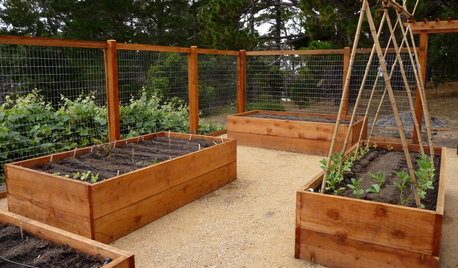
GARDENING GUIDESHow to Install a Drip Irrigation System
Save time and water with a drip watering system in your vegetable garden — a little patience now will pay off later
Full Story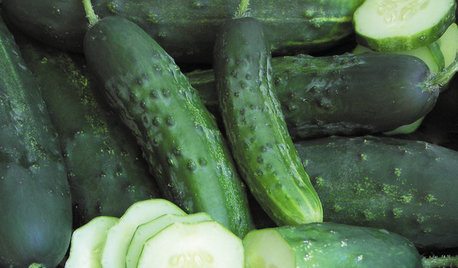
SUMMER FRUITS AND VEGETABLESSummer Crops: How to Grow Cucumbers
Pick a peck for pickles or opt for fewer and raw — no matter how you slice them, cucumbers are great for summer gardens small to large
Full Story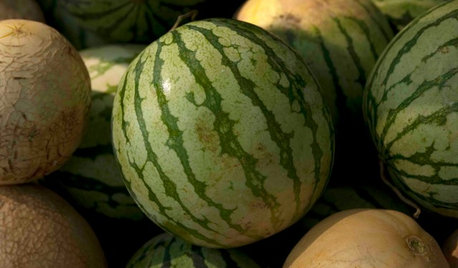
GARDENING GUIDESSummer Crops: How to Grow Melons
Drink in the refreshing sweetness of melons from your own garden this summer — they can last well into fall too
Full Story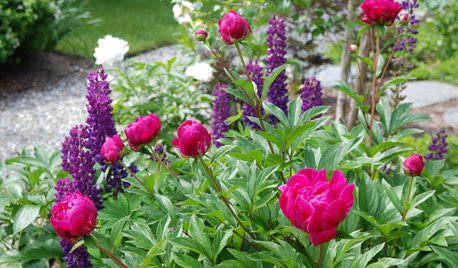
REGIONAL GARDEN GUIDESDelight in Summer’s Garden Glories — Here’s What to Do in June
Wherever you live in the United States, these guides can help you make the most of your summer garden
Full Story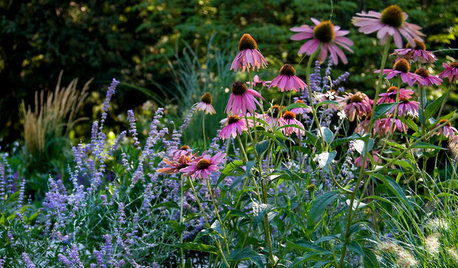
MOST POPULAREnjoy Your Summer Garden — Here’s What to Do in July
Our July gardening guides take the guesswork out of summer watering, pruning and planting. See our tips for your U.S. region
Full Story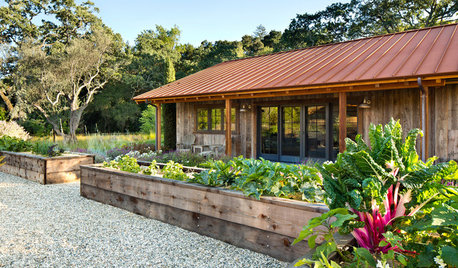
EDIBLE GARDENSHow to Grow Your Own Sweet Summer Crops
This guide will help any gardener get started on growing the freshest warm-season veggies and berries for summer
Full Story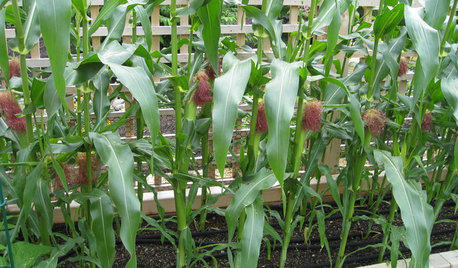
SUMMER FRUITS AND VEGETABLESHow to Grow Your Own Fresh, Sweet Corn
Here's how to plant and care for your own mini cornfield
Full Story
EDIBLE GARDENSSummer Crops: How to Grow Pumpkins
Start in spring to grow your own fall decorations and have plenty left for pies
Full Story
GARDENING GUIDESAttract Hummingbirds and Bees With These Beautiful Summer Flowers
Roll out a welcome mat for pollinators to keep your landscape in balance and thriving
Full Story
FARM YOUR YARDIf You Have Room for Only One Summer Crop ...
Get an edible that’s long on flavor even if you’re short on space, with a long-time gardener’s favorite picks
Full Story
jimtncOriginal Author
rcnaylor
Related Professionals
Tupelo Landscape Architects & Landscape Designers · Rochester Landscape Architects & Landscape Designers · Keene Landscape Architects & Landscape Designers · Sioux Falls Landscape Architects & Landscape Designers · Temecula Landscape Architects & Landscape Designers · Emporia Landscape Contractors · Houma Landscape Contractors · Austin Landscape Contractors · Norfolk Landscape Contractors · Lexington Home Builders · Spartanburg Home Builders · McAllen Home Builders · Boston Home Builders · Kingman Home Builders · Salem Home BuildersjimtncOriginal Author