

reseeding on sandy soil
15 years ago
Sort by:Oldest
Comments (2)
Related Stories

GARDENING GUIDESGardening Solutions for Dry, Sandy Soils
Has your desert or beachy site withered your gardening creativity? Try these ideas for a beautiful, easy-care landscape
Full Story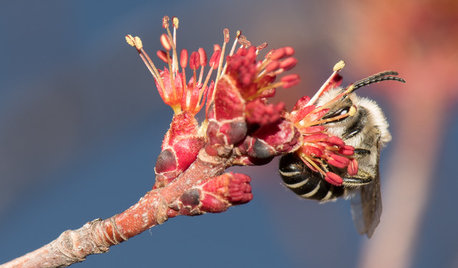
GARDENING GUIDESInvite Cellophane Bees to Your Garden by Providing Patches of Bare Soil
Look for cellophane bees (Colletes) pollinating flowering trees and shrubs in U.S. gardens this spring
Full Story
GARDENING GUIDESThe Poop Scoop: Enrich Your Soil With Good Old Manure
Get over the ick factor already — this natural super-ingredient for soil has so many benefits, you'll wonder why you ever went chemical
Full Story
GARDENING GUIDESHave Acidic Soil in Your Yard? Learn to Love Gardening Anyway
Look to acid-loving plants, like conifers and rhododendrons, to help your low-pH garden thrive
Full Story
GARDENING GUIDESGet the Dirt on Your Garden’s Soil
Understand how your soil supports your plants so you can ensure your garden’s success
Full Story
GARDENING GUIDESHow to Stop Worrying and Start Loving Clay Soil
Clay has many more benefits than you might imagine
Full Story
GARDENING GUIDESHow to Pick a Mulch — and Why Your Soil Wants It
There's more to topdressing than shredded wood. Learn about mulch types, costs and design considerations here
Full Story
GARDENING GUIDES6 Native Ground Covers for Tough, Dry Spots
Sun beating down on your sandy gravel? Thick shade darkening your clay soil? There’s a ground cover here for you
Full Story
GARDENING GUIDES5 Bright, Cheerful Coastal Garden Flowers
Sandy soil and salty air don't have to mean a dry and dull garden — these 5 flowering plants are beautiful, vivid and remarkably sturdy
Full Story
FLOWERS6 Overlooked Asters for Tough Spots
Whether your garden has baking sun or dry dense shade, boggy soil or sandy gravel, there's an aster for that
Full Story

User
dchall_san_antonio
Related Professionals
Pensacola Landscape Architects & Landscape Designers · Sarasota Landscape Architects & Landscape Designers · Minneapolis Landscape Architects & Landscape Designers · Utica Landscape Architects & Landscape Designers · Fort Myers Landscape Contractors · Clarksdale Landscape Contractors · Gulfport Landscape Contractors · Meridian Landscape Contractors · Kankakee Landscape Contractors · Merced Landscape Contractors · Rapid City Landscape Contractors · Salisbury Home Builders · Longview Home Builders · Olean Home Builders · Flagstaff Home Builders