

Pruning Colonnade Apple Trees
17 years ago
Sort by:Oldest
Comments (6)
Related Stories

EDIBLE GARDENSHow to Add an Apple Tree to Your Edible Garden
Readily available, beautiful and fragrant, apple trees offer four-season interest along with crisp, juicy fruit
Full Story
WINTER GARDENINGPruning Secrets for Exquisite Roses
Encourage gorgeous blooms year after year with this time-tested advice on how to prune your rosebush in winter for health and shape
Full Story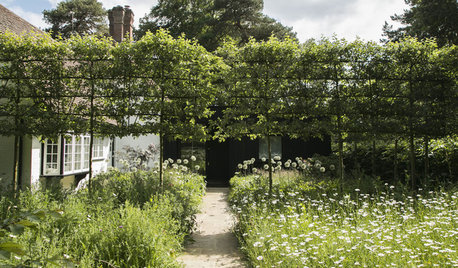
GARDENING AND LANDSCAPINGCrab Apple Trees Set Off a Stylish English Courtyard
A structure of pleached crab apple trees, bordered by a wildflower meadow, links a minimalist addition to an old house in Buckinghamshire
Full Story
GARDENING AND LANDSCAPINGCrazy for Fruit Trees
Whether a single citrus or a mini apple orchard, even the smallest landscape space can bear deliriously delicious fruit
Full Story
EDIBLE GARDENSWhy Grow Quince? For Beauty, Fragrance and Old-Time Flavor
Delightfully perfumed fruit and lovely spring blossoms make this apple and pear cousin worth a spot in the garden
Full Story
FARM YOUR YARDIf You Have Room for Only One Fruit Tree ...
Juice up a small garden with one of these easier-care or worth-the-effort fruit trees for a mild climate
Full Story
EDIBLE GARDENSHow to Grow 10 Favorite Fruit Trees at Home
Plant a mini orchard in fall, winter or early spring to enjoy fresh-off-the-tree fruit the following year
Full Story
LANDSCAPE DESIGNPretty Trees for Patios, Paths and Other Tight Spots
Choose trees for their size, shape and rate of growth — or shape them to fit your space. Here's how to get started
Full Story
GARDENING GUIDES5 Best-Behaved Trees to Grace a Patio
Big enough for shade but small enough for easy care, these amiable trees mind their manners in a modest outdoor space
Full Story
GARDENING GUIDESSouthwest Gardener's March Checklist
Dust off your gardening tools and get busy pruning to help your trees and plants reach their full potential
Full Story
More Discussions


marknmt
myk1
Related Professionals
Gulfport Landscape Architects & Landscape Designers · Oxford Landscape Architects & Landscape Designers · Concord Landscape Architects & Landscape Designers · Austin Landscape Architects & Landscape Designers · Middletown Landscape Architects & Landscape Designers · Nashua Landscape Architects & Landscape Designers · Yakima Landscape Architects & Landscape Designers · Dallas Landscape Contractors · Willmar Landscape Contractors · Hempstead Landscape Contractors · Westminster Home Additions · Sedalia Home Additions · Charlottesville Home Additions · Petersburg Home Additions · Yakima Home Additionsmarknmt
myk1
marknmt
applenut_gw