

overseed or corn gluten first?
17 years ago
Sort by:Oldest
Comments (4)
Related Stories
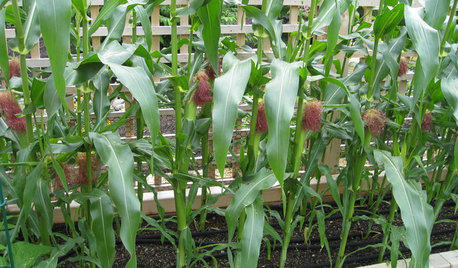
SUMMER FRUITS AND VEGETABLESHow to Grow Your Own Fresh, Sweet Corn
Here's how to plant and care for your own mini cornfield
Full Story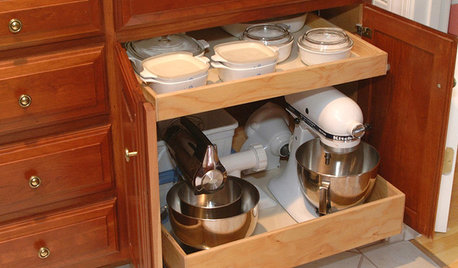
KITCHEN APPLIANCESConsidering a New Kitchen Gadget? Read This First
Save money, time and space by learning to separate the helpers from the hassles
Full Story
GARDENING FOR BUTTERFLIESBe a Butterfly Savior — Garden for the Monarchs
Keep hope, beauty and kindness alive in the landscape by providing a refuge for these threatened enchanters
Full Story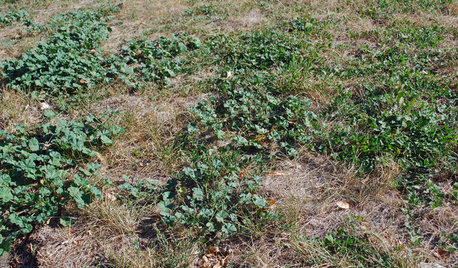
GARDENING GUIDESWeed War: When and How to Use Chemical Herbicides
Before you spray, arm yourself with knowledge about which weed killers — natural or synthetic — are right for your yard
Full Story
TRAVEL BY DESIGNTravel Guide: Austin, Texas, for Design Lovers
You'll find fantastic food along with incredible art and architecture in this capital city, deep in the heart of Texas
Full Story
GARDENING GUIDESGarden Myths to Debunk as You Dig This Fall and Rest Over Winter
Termites hate wood mulch, don’t amend soil for trees, avoid gravel in planters — and more nuggets of garden wisdom
Full Story
GARDENING GUIDESHow to Switch to an Organic Landscape Plan
Ditch the chemicals for a naturally beautiful lawn and garden, using living fertilizers and other nontoxic treatments
Full Story
KITCHEN DESIGNHouzz Call: What’s Cooking in Your Kitchen?
Most of us turn to recipes, videos and culinary shows when we cook. Where do you set your cookbook, tablet or TV screen?
Full Story
MOST POPULAR7 Ways to Design Your Kitchen to Help You Lose Weight
In his new book, Slim by Design, eating-behavior expert Brian Wansink shows us how to get our kitchens working better
Full Story
MONTHLY HOME CHECKLISTSSeptember Checklist for a Smooth-Running Home
Get ready to get cozy at home with snuggly blankets, well-stocked firewood, added insulation and more
Full Story

dchall_san_antonio
tiemco
Related Professionals
Florence Landscape Architects & Landscape Designers · Mobile Landscape Architects & Landscape Designers · Port Saint Lucie Landscape Architects & Landscape Designers · Miami Landscape Architects & Landscape Designers · Galveston Landscape Architects & Landscape Designers · Hartford Landscape Architects & Landscape Designers · Montgomery Landscape Contractors · Indianapolis Landscape Contractors · McAllen Landscape Contractors · New London Landscape Contractors · Evanston Landscape Contractors · West Plains Home Builders · Laredo Home Builders · Eau Claire Home Builders · Helena Home BuildersmichelelcOriginal Author
dani4984_aol_com