

mulching action
20 years ago
Sort by:Oldest
Comments (4)
Related Stories
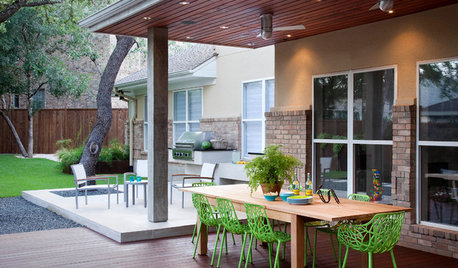
MONTHLY HOME CHECKLISTSYour April Checklist for a Smooth-Running Home
Shake off the winter blues and spring into action to get your home in the spirit of the new season
Full Story
GARDENING FOR BUTTERFLIESButterfly Gardening: Delight the Eyes With Living Sculptures
Surprise and thrill with a garden that attracts magical winged creatures, bringing color, movement and life
Full Story
HOLIDAYS5 Gifts for the Home They'll Love — That Cost Next to Nothing
Print your own gift coupons: Offer your time and skill for presents your loved ones will really use
Full Story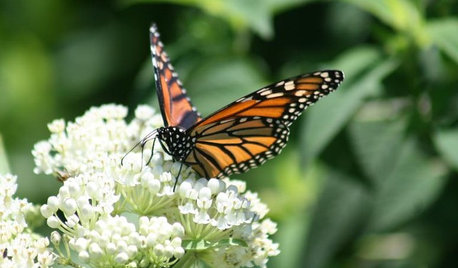
GARDENING GUIDES7 Ecofriendly Gardening Ideas That Also Cut Chore Time
Spend less time weeding, less money watering and more moments just sitting back and enjoying your healthy garden
Full Story
SAVING WATERXeriscape Gardens: How to Get a Beautiful Landscape With Less Water
Conserve water and make gardening much easier with the xeriscape approach’s 7 principles
Full Story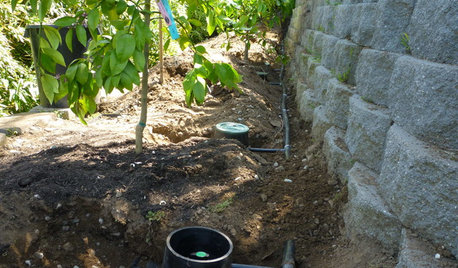
EARTH DAYGrow a Beautiful Garden With Ecofriendly Greywater
Reducing home water waste means lower bills and a healthier planet. Here's how to set up a greywater home irrigation system that can help
Full Story
EARTH DAYThe Case for Losing the Traditional Lawn
Work less, help the environment and foster connections by just saying no to typical turf
Full Story
LANDSCAPE DESIGNHow to Design Garden Paths That Bring a Landscape to Life
We guide you through material and placement choices that will take your pathways from ordinary to extraordinary
Full Story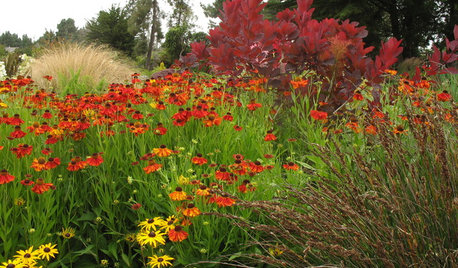
PLANTING IDEASWant a More Colorful, Natural Garden? Try a Perennial Meadow
Spend less time tending and more time taking in the sights by improving on Victorian and prairie garden designs
Full Story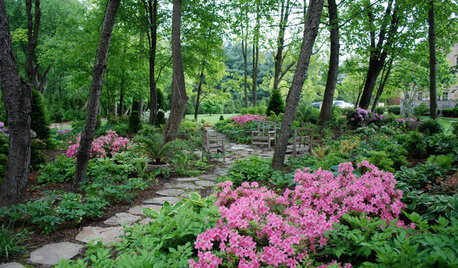
GREEN BUILDINGBuilding Green: How to Design a Healthier Landscape
Plant selection, water management, fire-prevention measures and more can ensure that your landscape is good for the planet and for you
Full Story
Sponsored

1saxman
quintusOriginal Author
Related Professionals
Ardmore Landscape Architects & Landscape Designers · South Bend Landscape Architects & Landscape Designers · Nashua Landscape Architects & Landscape Designers · Edison Landscape Architects & Landscape Designers · Salem Landscape Architects & Landscape Designers · Ogden Landscape Architects & Landscape Designers · El Dorado Landscape Contractors · Albany Landscape Contractors · California Landscape Contractors · St. Louis Landscape Contractors · Clarksville Landscape Contractors · Roanoke Landscape Contractors · Brooklyn Landscape Contractors · Ithaca Landscape Contractors · Corpus Christi Stone, Pavers & Concrete1saxman
nevada_walrus