

What method for raised beds?
14 years ago
Sort by:Oldest
Comments (6)
Related Stories

FARM YOUR YARDHow to Build a Raised Bed for Your Veggies and Plants
Whether you’re farming your parking strip or beautifying your backyard, a planting box you make yourself can come in mighty handy
Full Story
WINDOW TREATMENTSRoller Shades Raise the Curtain on Style
The humble window treatment is stealing the scene with fresh patterns, color and pizzazz
Full Story
GARDENING GUIDES8 Materials for Raised Garden Beds
Get the dirt on classic and new options for raised vegetable and plant beds, to get the most from your year-round garden
Full Story
GARDENING AND LANDSCAPINGRaised Beds Lift Any Garden
From good old-fashioned wood garden boxes to modern metal troughs, raised beds can make any landscape space look great
Full Story
GARDENING AND LANDSCAPINGBuild a Raised Bed to Elevate Your Garden
A bounty of homegrown vegetables is easier than you think with a DIY raised garden bed to house just the right mix of soils
Full Story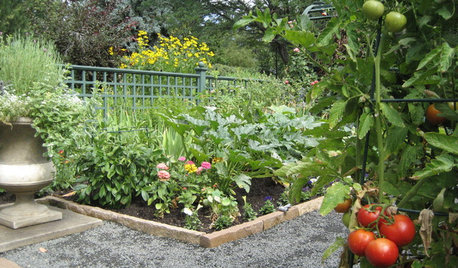
SPRING GARDENINGInspiring Raised Beds for Fall and Spring Planting
Make Your Next Vegetable Garden Even Better with Beautiful Boxes and Paths
Full Story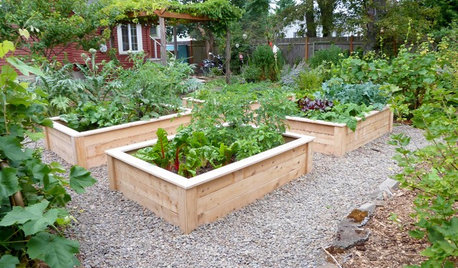
GARDENING GUIDES12 Tips to Help You Start an Edible Garden
Get on your way to growing your own vegetables with a raised bed or a few containers on the patio
Full Story
PETSRaise the Woof: Doghouses Delight at Barkitecture 2012
Designs at an annual Austin fundraiser are whimsical, practical and downright luxurious — no bones about it
Full Story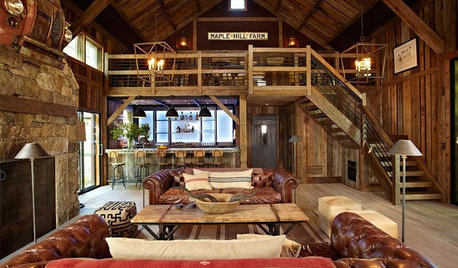
BARN HOMES12 Bar-Raising Barns
Homeowners make hay out of renovated, reclaimed and newly raised outbuildings
Full Story
GARDENING AND LANDSCAPINGRaise Backyard Chickens Without Ruffling Neighbors' Feathers
Before you build a coop in the backyard, follow these strategies to help keep your neighbors from squawking
Full Story

gardenlen
bi11me
Related Professionals
Florence Landscape Architects & Landscape Designers · Murfreesboro Landscape Architects & Landscape Designers · Frisco Landscape Architects & Landscape Designers · Lynchburg Landscape Architects & Landscape Designers · Burlington Landscape Architects & Landscape Designers · Elkton Landscape Contractors · Chula Vista Landscape Contractors · Longview Landscape Contractors · Wenatchee Landscape Contractors · Cowansville Landscape Contractors · Gainesville Architects & Building Designers · Monroe Architects & Building Designers · Ardmore Architects & Building Designers · Buffalo Architects & Building Designers · Kennewick Architects & Building DesignersRockyCropNaturals
Kimmsr
bi11me
maplerbirch