Software
Houzz Logo Print
walksindarkness

Organic Insect Control?

20 years ago

Hi All,

I am a newbie to this so bear with me. What is a good simple game plan for organic pest control? My veggies seem to have a lot of problems with pests eating leaves, which is a real problem for my collards and basil. I don't know what the pests are, because they are either tiny or they do it at night. Last year Japanese beetles devestated my grape leaves (so that is one thing I know). My dad said he had some success using a spray made simply by soaking tabacco in water, any thoughts on that?

TIA,

Will

Comments (6)

  • 20 years ago

    You really must figure out what the pest is before you can figure out how to effectively organically treat it. Do some research for the most common pests of collards and basil and see if that can't help you pin down the culprits. Also, decide whether the damage is so significant as to actually make a difference in production. A little bit of noshing on leaves doesn't require any action in my book.

    The tobacco tea spray, while technically probably organic, would be highly toxic and broad spectrum -- ie it would kill all bugs indiscriminately, both good and bad. It's an old fashioned remedy -- particularly here in southern Maryland where tobacco farms used to be a main feature of the landscape, but it is far from benign. I absolutely would NOT use tobacco tea, particularly on edibles.

    Look into neem for your grapes this year.

  • 20 years ago

    Tobacco Juice as a pesticde is no longer acceptable to organic gardeners because it is one of those very long lasting, very broad spectrum poisons that indescriminently kill insects, good and indifferent as well as bad.
    As marymd7 put it so well you need to identify what your pest is. Then you need to decide if a course of action is necessary, then what would be the least toxic product that could control this pest, then apply that control, and then review what happened. This is called Integrated Pest Management, an organic approach to pest control.

  • 20 years ago

    BT works for the caterpillar stage of many bugs. If you look on the underside of the collards and basil you might see tiny caterpillars eating. Bt is available as a dust, Dipel, and a liquid concentrate, Thuricide. A soap spray is effective against some insects, like aphids, but often just a powerful stream of water will knock them off. Check RODALE'S ALL NEW ENCYCLOPEDIA OF ORGANIC GARDENING for additional methods of organic insect control. BT is something I always keep on hand; it is safe to other beneficials (it will kill butterfly caterpillars) and it safe for mannals. Hand picking, such as knocking stink bugs into a pail of soapy water, also works. Good luck.

  • 20 years ago

    You asked for a good simple game plan.

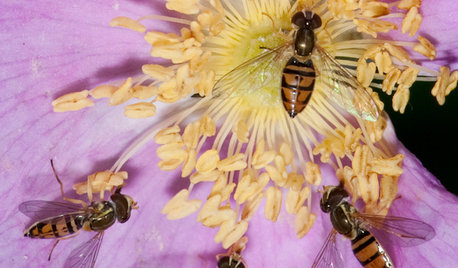
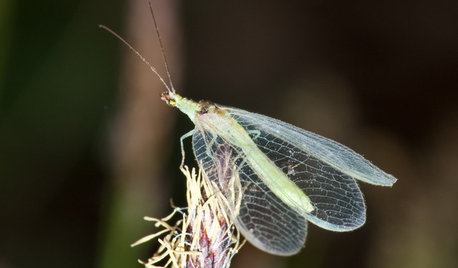
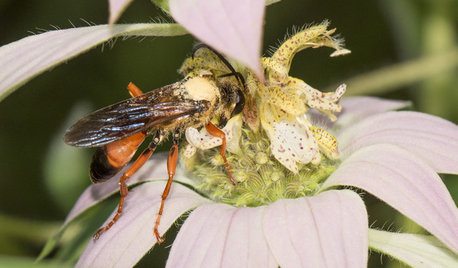
    First, learn to distinguish the good bugs from the bad bugs. Google "collards pests" "basil pests" etc. to narrow down the bad guys. UC Davis has an IPM site that has photos of most bugs, or maybe MA has a site like this. It's sometimes a good idea to let the first crop of aphids "bloom" so that they can feed the first crop of predators. Also, if you spray anything, you want to be sure you are not inadvertently upsetting the whole cycle -- if you kill off all the bad guys, the predatory insects (who you want on the job) will leave your garden and go looking somewhere else for food. And of course you do not want to harm the predators (good guys). Learn to recognize parasitized aphids: predatory wasps lay eggs in them and eat them from the inside out, so if you have "ghost aphids," you don't have to do anything.

    Then, simplest things first, check each plant daily. The little green worms on cabbage-family plants are hard to see at first, but look for the holey leaves and eventually you'll get good at spotting them and picking them off.

    Next simplest thing is a jet of water, which will knock most aphids off but isn't much good with bigger bugs. For them, I use a squirt of Dr. Bronner's peppermint liquid soap (or something similar) in a quart spray bottle filled with water. Be sure to spray the undersides of leaves, too. I have no problem eating kale that I have sprayed with this weak soap solution.

    A resource I like is Edward C. Smith, Vegetable Gardener's Bible, which lists a few basic insects and strategies. For instance, he likes to use a garlic spray, and he gives a recipe as well as which bugs to use it for.

    Other gardeners have made big claims for other saponin-containing plant-based concoctions such as yuca root (sold in ethnic grocery stores as rhizomes), which you can grind up yourself and make various concoctions. Or aspirin water to prevent disease, maybe not letter-of-the-law organic but certainly spirit-of-the-law organic. I would do this before I would buy a product, but that's me.

    If you're looking for organic no-brainer "big guns," many gardeners use neem oil sprays for everything. I, myself, prefer not to buy products (cost and residues), so I have not tried this.

    Of course, a long-term strategy is to make your plants as healthy as possible by using lots of compost and spending enough time in your garden every day to spot any problems while they are still small ones. You can also try spraying with aerated compost tea as a disease preventive (it's not registered for that use, but many people who use it claim it has that effect).

  • 20 years ago

    One suggestion I have is to go out at night, or at least an hour after dark with a flashlight to see if there are any nocturnal munchers on your plants. Once I had terribly torn up plants and couldn't figure out what it was until I did this..it was a real eye opener,, there were hundreds of slugs and earwigs out there dining on every part of the plants. Tiny slugs at the tops of grass blades in the lawn.. all on their way to snack on the garden. I got some Sluggo soon after and took care of the slugs.. the earwigs posed a different challenge..now I don't remember what worked, if anything, for them...

  • 20 years ago

    First, start with healthy plants. Scatter compost and organic fertilizer under the plants. Then spray the leaves and stems with liquid seaweed diluted at 3 ounces per gallon of water, every other week.