Software
Houzz Logo Print
hudsonvalley_zone6a

Pests have destroyed practically everything

I'm attempting an organic garden for the first time. I feel a little down b/c pests have destroyed my lettuce (slugs), oregano (something has been biting into it), tarragon (the leaves are browning) and my spearmint (again, holes bitten into leaves).

I tried spraying a mixture of veggie oil and pureed garlic cloves and bugs are still getting to my plants. The oil also weighs down my plants and makes their leaves transparent. Any suggestions for an organic pesticide and is there something that I'm doing wrong?

Comments (12)

  • 16 years ago

    A general purpose insect repellant used by many organic gardeners over the years is to whiz in a blender 1 medium onion, 1 hot pepper, and 1 garlic bulb with 1 cup of water and then allow that to steep for at least 24 hours. Strain and dilute (I put that mixture in my 2 quart sprayer) and spray. What I have seen is all of the insects leave.
    What else to use depends on which insects you have, but usually the first 2 to 3 years someone has an organic garden insect pests can be real pests. As your soil gets better there should be a reduction in problems.

  • 16 years ago

    You might try to grow tomatoes, because these are resistant to some but not all garden pests. So there is luck involved, as well as skill. Every summer I see an infestation of japanese beetles in our raspberry patch, and I am out there with a small cup of warm water and detergent, aka "the soapy cup of death." The insects get flicked off the plant, and into the water mixture, where they die quickly.

  • 16 years ago

    hudsonvalley, good for you for attempting to try an organic garden. I'm sorry to hear that you are having some difficulty. It does sound discouraging. It would help if you were to offer more details about your gardening efforts so far.

    Having realistic expectations and doing some research before starting might keep you from getting too discouraged. You don't say if you were gardening non-organically before you attempted to go organic. I think that would make a difference.

    I would have to agree with Kim, that is a good mix to spray if you need something, but gardening organically is a learning process. The natural world is complex and organic gardening is an attempt to try to work with the natural world as much as possible. To do that you really need to learn as much as you can about what's going on out there.

    Instead of getting upset when bugs show up, expect them to show up. Take photos of them if you can. Identify them so you know what you have and then learn as much as you can about those bugs. What do they eat, what's their life cycle, what are their natural enemies, etc.

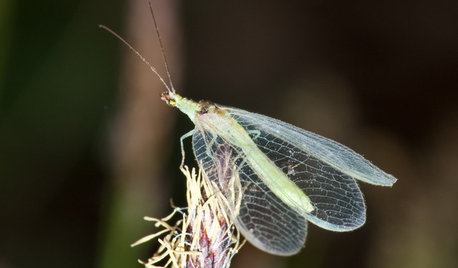
    Two main goals of organic gardening is helping to support the soil and helping to achieve a balance of good bugs and bad bugs. So knowing who the good guys are and how you can attract them to your garden is very valuable information to have if you want to have a successful garden.

    There's a good article in Mother Earth News in their latest issue about 'Bug Proofing' your garden. You might find it encouraging.

  • 16 years ago

    don't forget to take some time to find out actually what pests are affecting you, it will help explain what you can't do to better your garden.

    for example, when my bush beans came up (first attempt at beans) the foliage was covered in holes, I found and identified the bean leaf beetle as my culprit. I researched and found that coplanting beans with onions will help my cause. So I did, and while it didn't completely run them off, they thinned out enough for my beans to start producing more foliage, now they can't really hurt my plants.

    I've also noticed this year that after everything else in the garden came up, the pests seemed to lessen, maybe a result of healthy soil bringing me healthy plants. But I believe that the diversity I brought to the garden brought a greater biodiversity, thus establishing an insecticidal system of checks and balances.

    so find out which plants are suffering, do a web search for pests for that plant, then you will have a battle plan.

  • 16 years ago

    just a quick note on the spray kimmsr suggested:

    use it late evening or early morning. I learned the hard way that spraying during the day will lead to bad sunburns for your plants on the leaves.

  • 16 years ago

    Good for you for trying to go organic! I never gardened any other way, but I hear there is a transition period.

    A healthy organic garden is full of all kinds of life. If you've been gardening traditionally, you've probably accidentally killed off some of the "good bugs" when you've been going after the "bad bugs." It will take a little while - a couple years, maybe (?) to get a full crop of beneficial insects back to your garden, though some will start to move in right away.

    Then they will do a lot of the work for you. My aim is to rarely use sprays and such. At first it was because I had little kids and didn't have time to keep poking & prodding daily. But over the years I've noticed it works great - I have very healthy colonies of beneficial insects, and they keep the bad bugs at bay. I do sometimes use things, but generally not much more than the least toxic alternative.

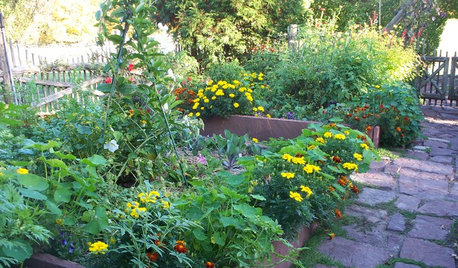
    You can attract beneficials with flowers - most of the flowers that attract butterflies will attract beneficial insects. Yarrow is a good choice that's easy to grow. I also plant marigolds in my garden (a trap crop for aphids), nasturtiums, etc, etc.

    One thing I noticed in your post is that you said pests have "destroyed" your lettuce, and that there are biting/holes and some browning on the leaves of your herbs. Despite everything I said, I do have some pests. I expect to have some holes in leaves, etc. Is there some lettuce that's edible?

    Bugs don't tend to eat herbs, at least in my experience - they smell too strong. In fact, I put herbs in my veggie beds for just that reason. It may be slugs. I have a "moat" of used coffee grounds around my melons right now. Plus some slug traps of margarine tubs with a yeast/sugar/water solution - you'll hear people talk about beer for slugs.

  • 16 years ago

    A general rule for spraying anything is to spray early or late, not during the heat of the day, so plants are not adversly affected. There is nothing in the spray I talk about above that might cause that phytotoxicity although most soap or oil based sprays will.
    There are still some people that believe spraying any water on plants will allow the sunlight to be magnified and "burn" those plants even though research has shown that does not happen.

  • 16 years ago

    A little chewing is not complete destruction. Big difference -- and one you really need to learn if you're going to garden organically. You must learn to tolerate a bit of damage and recognize when the damage is extensive enough -- or likely to be extensive enough given the pest invovled -- to require intervention. The perfect truly is the enemy of the good in organic gardening. Go to your state ag extension web site and do a bit of reading on integrated pest management (IPM). Understanding the basics of IPM is essential if you want to garden organically.

    Slugs. Go find iron phosphate slug/snail bait. Sold under various trade names -- Sluggo, EscarGo, Slug Magic etc. Organic. Highly effective. It will keep slug/snail damage to a dull (and therefore acceptable) roar.

    Oregano. Don't sweat a bit of chewing. I've yet to encounter the pest that would destroy oregano. A nosh here or there, yeah. A tudoresque feast? No.

    Tarragon. In my experience, tarragon is fussy. If it likes where it's planted, you can't stop it. If it isn't sure about where it's planted, it sits there and thinks about it, not doing much. If it doesn't like where it's planted, it dies. The leaf browning isn't a pest problem -- it's an environmental issue of some kind. Drainage? Heat? Sun? Who knows. I'm not sure the tarragon itself does.

    That oil concoction you're spraying is almost certainly doing more harm to your plants than the limited damage you described. Coating plants with oil in the heat of the summer = bad idea. Garlic pepper sprays (properly diluted with water and a bit of soapy sticker) won't do crap for slugs anyway.

  • 16 years ago

    I agree with everything marymd7 said.

    I also want to add to the comments that if you have been gardening with chemicals and pesticides in that spot, the first few years of gardening organically are the hardest. You don't have the populations of beneficial insects to be your allies in the garden. The beneficials won't come until they have a food source (your pests.)

    But not all "pest damage" is bad for the plant, and in some cases is beneficial. For example, many plants signal each other when they are being predated, causing nearby plants to step up their own protective measures.

    I think the biggest mental change with organic gardening is to do what is right for the plant and the soil -- which will then reward you with its fruit -- instead of focusing on the fruit.

  • 16 years ago

    Thanks for the feedback. This is my first year gardening, totally organic from scratch. I think that I'm in way over my head. I have a 4 x 4 cedar raised bed with several different mixtures of organic compost, garden soil and coconut husks (??). I have another 4 x4 bed with Mel's Mix (which is not totally organic). The plants in the totally organic bed are doing much better.

    FYI...my oregano is totally gone. I didn't think herbs would be attacked like that. My sage now has black instead of green leaves and of the 4 tarragon plants, 1 tall one lives on.

  • 16 years ago

    I have had my Basil getting eaten this year. I discovered it was earwigs eating it at night when I went out one night with a flashlight and a cup of soapy water and flicked them into it. You do that for a few nights and it can get them under control. I love to be out there at that hour seeing what is going on in the garden. It's like the 'night shift' out there...lol.

  • 16 years ago

    I didn't know anything could hurt oregano! Mine grows like bindweed, almost...