

Tree --- Dwarf Pin Oak ???
18 years ago
Sort by:Oldest
Comments (11)
Related Stories
GARDENING GUIDESCelebrate Eastern Oaks for Wildlife, Longevity and Seasonal Interest
There might not be a more important tree to have in your eastern U.S. landscape — if you can fit one in
Full Story
LANDSCAPE DESIGNPretty Trees for Patios, Paths and Other Tight Spots
Choose trees for their size, shape and rate of growth — or shape them to fit your space. Here's how to get started
Full Story
CHRISTMAS TREESLast-Minute Christmas: Mini Tree in a Pot
Create a temporary tree with cuttings or buy a small live tree to love for years
Full Story
SIDE YARD IDEASNarrow Trees for Tight Garden Spaces
Boost interest in a side yard or another space-challenged area with the fragrance and color of these columnar trees
Full Story
REMODELING GUIDESYour Floor: An Introduction to Solid-Plank Wood Floors
Get the Pros and Cons of Oak, Ash, Pine, Maple and Solid Bamboo
Full Story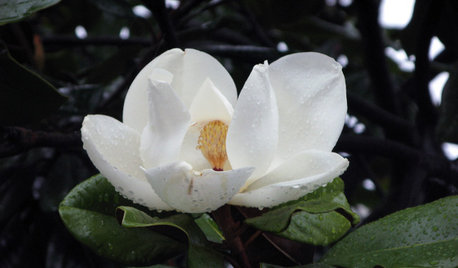
TREESGreat Design Plant: Southern Magnolia, Iconic U.S. Native
Massive, fragrant blooms and deep green leaves set Magnolia grandiflora apart from other large shade trees
Full Story
GARDENING GUIDES13 Japanese Maples for Shade
A surprising variety of these understory trees is waiting to make a statement in your shade garden
Full Story
LANDSCAPE DESIGNGreat Design Plant: Retreat to the Shade of Hardy Catalpa
Big foliage and a towering height provide a shady respite in summer, but that's not all hardy catalpa offers dedicated gardeners
Full Story
GARDENING GUIDESWindy English Plot Becomes a Kitchen Garden
A garden in Derbyshire’s Peak District combines practical elements and beautiful design
Full Story
LANDSCAPE DESIGN5 Structural Plants to Frame Your Garden Beautifully
Consider these trees and shrubs live building blocks, providing structure and definition in even a small garden
Full Story
Embothrium
User
Related Professionals
Wichita Landscape Architects & Landscape Designers · Portsmouth Landscape Architects & Landscape Designers · New Braunfels Landscape Architects & Landscape Designers · Dubuque Landscape Architects & Landscape Designers · Manchester Landscape Architects & Landscape Designers · Fort Smith Landscape Contractors · Oxford Landscape Contractors · Jackson Landscape Contractors · Syracuse Landscape Contractors · Victorville Landscape Contractors · Owensboro Stone, Pavers & Concrete · Lafayette Stone, Pavers & Concrete · Sedalia Stone, Pavers & Concrete · Roanoke Stone, Pavers & Concrete · Amherstburg Stone, Pavers & ConcreteEmbothrium
gardengal48 (PNW Z8/9)
User
ken_adrian Adrian MI cold Z5
Embothrium
Embothrium
User
Embothrium
pjjujospkOriginal Author