

Blight + Squash Bugs
17 years ago
Sort by:Oldest
Comments (3)
Related Stories
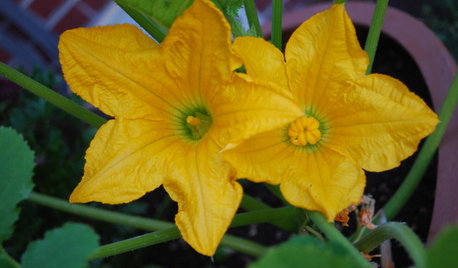
EDIBLE GARDENSSummer Crops: How to Grow Squash
Almost foolproof and with cheerful flowers, squash comes in a wide range of varieties to plant in spring
Full Story
CONTAINER GARDENS5 Important Winter Tasks to Keep Container Gardens in Shape
Prevent cracked pots, blight spread and withered plants come spring by focusing on this essential maintenance now
Full Story
FARM YOUR YARDHouzz Call: Home Farmers, Show Us Your Edible Gardens
We want to see where your tomatoes, summer squashes and beautiful berries are growing this summer
Full Story
REGIONAL GARDEN GUIDESMid-Atlantic Gardener's September Checklist
Squash, anyone? Cool-season veggies are suiting up for the garden, while summer's last blooms are winding down
Full Story
EDIBLE GARDENSGarden BFFs? Why Your Vegetables Are Begging for Companion Plants
Foster friendships among plants for protection from pests, pollination support and color camaraderie
Full Story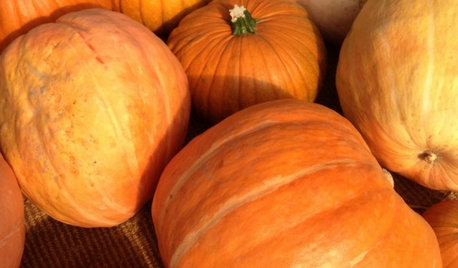
EDIBLE GARDENSSummer Crops: How to Grow Pumpkins
Start in spring to grow your own fall decorations and have plenty left for pies
Full Story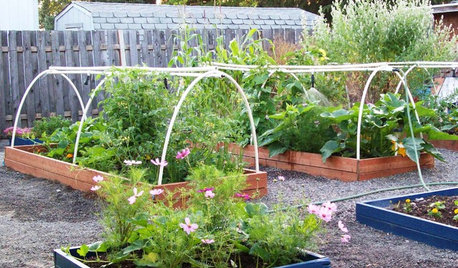
BENEFICIAL INSECTSAttract Pollinators for a Productive Edible Garden
You can lure bees, butterflies and birds into your yard with the right flowers and nesting spots
Full Story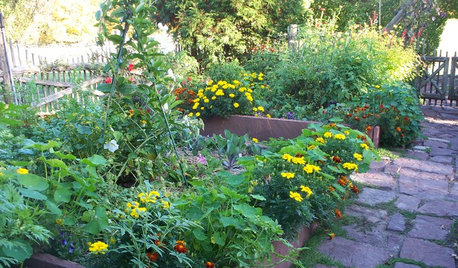
GARDENING GUIDESOrganic Matters: Thwart Insect Pests With Trap Crops
Add a few sacrificial plants to your garden to lure insects away from the harvest
Full Story
FARM YOUR YARDHow to Grow Vegetables in Containers
Get glorious vegetables and fruits on your patio with a pro’s guidance — including his personal recipe for potting mix
Full Story
GARDENING GUIDES10 Easy Edibles for First-Time Gardeners
Focus on these beginner-friendly vegetables, herbs, beans and salad greens to start a home farm with little fuss
Full Story

organicguy
Kimmsr
Related Professionals
Tulsa Landscape Architects & Landscape Designers · Lawrenceburg Landscape Architects & Landscape Designers · Spring Landscape Architects & Landscape Designers · Harrisonburg Landscape Architects & Landscape Designers · Hackettstown Landscape Architects & Landscape Designers · Tacoma Landscape Architects & Landscape Designers · Huntsville Landscape Contractors · Jonesboro Landscape Contractors · Magog Landscape Contractors · Crestview Architects & Building Designers · McAlester Architects & Building Designers · Lawrenceburg Architects & Building Designers · New Haven Architects & Building Designers · Grand Rapids Architects & Building Designers · Lubbock Architects & Building Designersaragon127Original Author