

Trying to get right soil level
13 years ago
Sort by:Oldest
Comments (2)
Related Stories

FARM YOUR YARDHow to Get Good Soil for Your Edible Garden
The nutrients in your soil feed the plants that feed you. Here are tips on getting it right — just in time for planting season
Full Story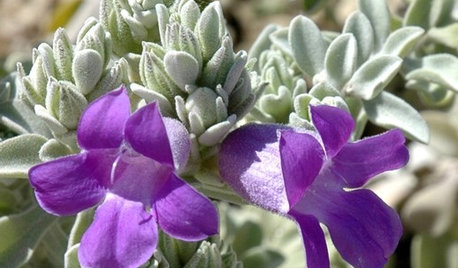
GARDENING GUIDESGreat Design Plant: Try Blue Bells for Blooms in Dry Soil
This shrub’s violet-blue flowers and silvery foliage brighten low-water gardens all year long
Full Story
LANDSCAPE DESIGNHow to Shape a Rain Garden and Create the Right Soil for It
Learn how to grade, lay out and amend the soil in your rain garden to support your plants
Full Story
REMODELING GUIDESThese Split-Level Homes Get the Style Right
A suburban architecture style gets a welcome update with open floor plans and chic design touches
Full Story
KITCHEN DESIGNGet Cookin' With the Right Microwave
Energy zapped from trying to pick a microwave model and location? This guide will fire up your decision making
Full Story
GARDENING GUIDESGrow a Beautiful Garden in Alkaline Soil
Got alkaline soil? Learn how to manage it and the many beautiful plants that will thrive in this ‘sweet’ soil
Full Story
GARDENING GUIDESGardening Solutions for Heavy Clay Soils
What’s a gardener to do with soil that’s easily compacted and has poor drainage? Find out here
Full Story
GARDENING GUIDESHouzz TV: Make a Worm Bin for Rich Soil and Happy Plants
A worm-powered compost bin that can fit under a sink turns food scraps into a powerful amendment for your garden. Here’s how to make one
Full Story
REMODELING GUIDESGet the Lighting Right: 8 Mistakes to Avoid
See How These Great Interiors Found the Right Lighting Solutions
Full Story
GARDENING AND LANDSCAPING9 Outdoor Lighting Schemes That Get Universal Design Right
Boost safety and a feeling of welcome with exterior lighting that offers visual cues and clearly defines paths
Full Story
dchall_san_antonio
krnuttle
Related Professionals
Dalton Landscape Architects & Landscape Designers · Georgetown Landscape Architects & Landscape Designers · Portsmouth Landscape Architects & Landscape Designers · Binghamton Landscape Architects & Landscape Designers · Jamestown Landscape Architects & Landscape Designers · Fall River Landscape Contractors · Laconia Landscape Contractors · Ottawa Landscape Contractors · Kissimmee Home Builders · Salisbury Home Builders · Greensboro Home Builders · Lawrenceburg Home Builders · Elgin Home Builders · Buffalo Home Builders · Wenatchee Home Builders