

Fall Lawn Fertilizer
18 years ago
Sort by:Oldest
Comments (8)
Related Stories

GARDENING GUIDESGet on a Composting Kick (Hello, Free Fertilizer!)
Quit shelling out for pricey substitutes that aren’t even as good. Here’s how to give your soil the best while lightening your trash load
Full Story
GARDENING GUIDESHow to Switch to an Organic Landscape Plan
Ditch the chemicals for a naturally beautiful lawn and garden, using living fertilizers and other nontoxic treatments
Full Story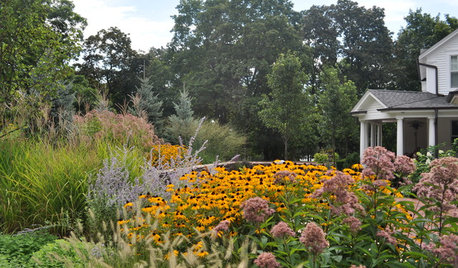
GARDENING GUIDESPacific Northwest Gardener: What to Do in September
Put in cool-weather veggies, fertilize your lawn and tidy the garden this month before chilly weather arrives
Full Story
GARDENING GUIDESHow to Prep Your Ground for a Healthy New Lawn
Seed or sod that falls on weedy, lumpy soil is a wasted effort. Follow these steps to ensure that your new lawn will thrive
Full Story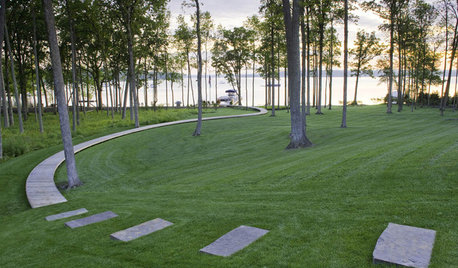
GARDENING GUIDESGive Your Turf the Fall Tune-up It Deserves
Treat your battered lawn to a little TLC this fall, and it will reward you with lush, healthy grass come spring
Full Story
GARDENING GUIDESSouthwest Gardener's August Checklist
Manage monsoon effects, remember to fertilize and don't let the heat deter you from planting for fall
Full Story
EARTH DAYThe Case for Losing the Traditional Lawn
Work less, help the environment and foster connections by just saying no to typical turf
Full Story
LANDSCAPE DESIGNGet Along With Less Lawn — Ideas to Save Water and Effort
Ditch the mower and lower your water bill while creating a feast for the eyes with diverse plantings and gathering places
Full Story
GARDENING AND LANDSCAPINGYour Yard: Are You Ready to Lose the Lawn?
Save time and water with good-looking alternatives to turf grass
Full Story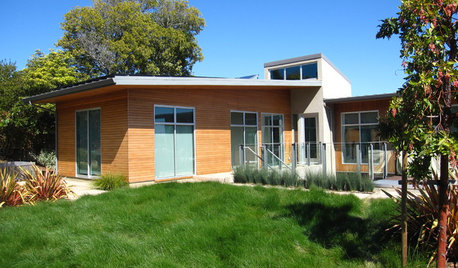
GARDENING GUIDESHow to Plant a New Lawn From Seed
Choose from more grass varieties and save money over sod by starting your lawn from seed
Full Story

buy_25
iowa50126
Related Professionals
Tuscaloosa Landscape Architects & Landscape Designers · Bainbridge Landscape Architects & Landscape Designers · Roanoke Landscape Architects & Landscape Designers · Logan Landscape Architects & Landscape Designers · Vancouver Landscape Architects & Landscape Designers · Crestview Landscape Contractors · Elizabethtown Landscape Contractors · Charlotte Landscape Contractors · Santa Maria Landscape Contractors · Mesquite Landscape Contractors · College Station Home Builders · Laredo Home Builders · Danbury Home Builders · Pittsfield Home Builders · London Home Buildersjeannie7
buy_25
bpgreen
iowa50126
buy_25
bpgreen