

Grass for drought
18 years ago
Sort by:Oldest
Comments (8)
Related Stories
GARDENING GUIDESGreat Design Plant: Purple Needle Grass, California’s State Grass
The long-lived, drought-tolerant Stipa pulchra is as admired for its benefits as for its good looks
Full Story
GRASSESVersatile Breeze Mat Rush Sails Into Drought-Tolerant Yards
Grassy Lomandra longifolia thrives year-round in shady and sunny gardens, in containers and in the ground
Full Story
INSPIRING GARDENSInside Houzz: A Waterfront Property Ditches the Grass for a Garden
New drought-tolerant plantings and outdoor gathering spaces help this California backyard take in the view without wasting space or water
Full Story
GARDENING GUIDESGreat Design Plant: Teucrium Fruticans for Drought-Tolerant Gardens
The silvery-gray foliage and blue flowers of this Mediterranean native stand out in low-water landscapes
Full Story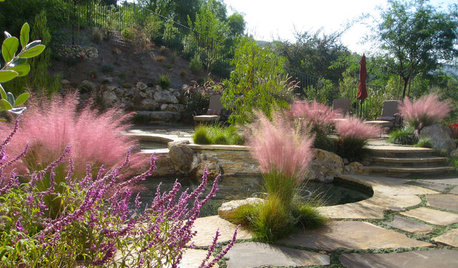
GRASSES10 Ways to Use Ornamental Grasses in the Landscape
These low-maintenance plants can add beauty, texture and privacy to any size garden
Full Story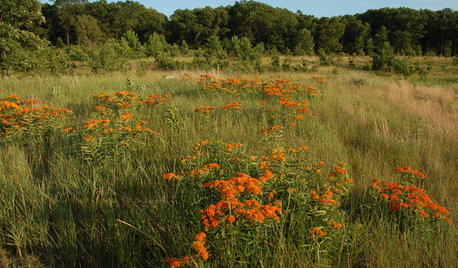
CENTRAL PLAINS NATIVE PLANTS10 Top Grasses for the Central Plains
Low-maintenance grasses provide seasonal interest and wildlife habitat, and aid good design
Full Story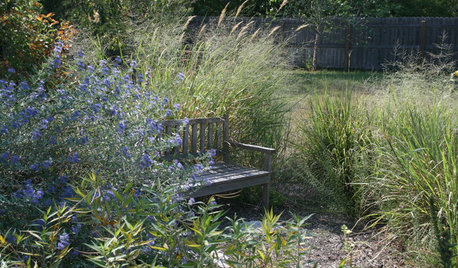
GARDENING GUIDESGreat Design Plant: Indian Grass
Bring whispers of prairie winds to your garden with this swaying native grass that stands tall all winter
Full Story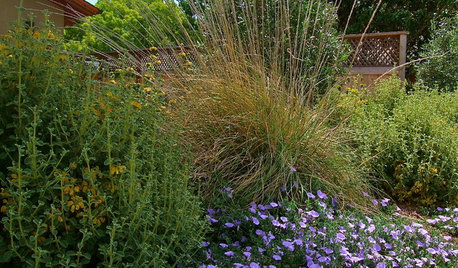
GRASSESGreat Design Plant: Deer Grass
Give wildlife a snack and give yourself a break — this food-source grass is easygoing in many climates and conditions
Full Story
GARDENING GUIDES10 Top California Native Plants, Trees and Grasses
Enjoy a fuss-free, water-wise garden in the Golden State by growing plants naturally in tune with the climate and wildlife
Full Story
GARDENING AND LANDSCAPINGOld School Green Design: Add Texture With Grass
Ornamental grasses capture the breeze and ripple like water in the landscape
Full Story

bpgreen
soccer_dad
Related Professionals
Newark Landscape Architects & Landscape Designers · Yuba City Landscape Architects & Landscape Designers · Tuscaloosa Landscape Contractors · Miami Landscape Contractors · Myrtle Beach Landscape Contractors · Mission Viejo Landscape Contractors · Denver Landscape Contractors · Cheyenne Landscape Contractors · Jonesboro Home Builders · Tampa Home Builders · Spring Home Builders · Lansing Home Builders · Providence Home Builders · Guymon Home Builders · Longview Home Buildersbpgreen
rcnaylor
bus_driverOriginal Author
bpgreen
bus_driverOriginal Author
bpgreen