

cold / warm weather orchids
18 years ago
Sort by:Oldest
Comments (9)
Related Stories

SHOP HOUZZShop Houzz: Comfort Meals for Cold Weather
Dine in with fondue, raclette or a nice hot bowl of soup
Full Story
REMODELING GUIDESFall Fixes: Get Your Fireplace Cold-Weather Ready
Here's the low-down on what to check before lighting the hearth for the holiday season
Full Story
NURSERY IDEASRoom of the Day: An Ombré Nursery Inspired by a Cold-Weather ‘Babymoon’
A designer with a background in art paints a scene that her baby boy can grow up with
Full Story
It's Cold. We're Cranky. Buy Some Flowers!
15 Colorful Reminders That Spring Will Come Again
Full Story
HOUSEPLANTSHow to Grow Orchids Indoors
Orchids are the exotic aristocrats of the flower world and can make themselves comfortable in almost any home
Full Story
FEEL-GOOD HOMESimple Pleasures: Get Cozy on a Cold Day
Some things are best when the weather is bad. Heat up some cocoa and join the discussion
Full Story
HOUSEKEEPINGLower Your Heating Bills With Some Simple Weather Stripping
Plug the holes in your house this winter to make sure cold air stays where it belongs: outside
Full Story
SHOP HOUZZShop Houzz: 3 Ways to Warm Up an Industrial Kitchen
Warm woods, global textiles and lush greenery turn industrial from cold to cozy
Full Story0
LIFEHouzz Call: How Are You Handling the Record-Breaking Cold?
Share your tales, strategies and photos for everything polar vortex
Full Story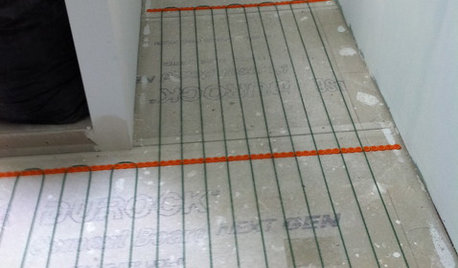
BATHROOM DESIGNWarm Up Your Bathroom With Heated Floors
If your bathroom floor is leaving you cold, try warming up to an electric heating system
Full Story
smwboxer
the_analyst
Related Professionals
Dover Landscape Architects & Landscape Designers · Pensacola Landscape Architects & Landscape Designers · Bridgeport Landscape Architects & Landscape Designers · Tampa Landscape Contractors · Concord Landscape Contractors · Sioux City Landscape Contractors · Saginaw Landscape Contractors · Everett Landscape Contractors · Fort Smith General Contractors · Virginia Beach General Contractors · North Adams General Contractors · Williamsport General Contractors · San Francisco General Contractors · Cody General Contractors · Fairbanks General Contractorsbcfromfl
AMYQofU
howard_a
cjwatson
orchid126
organiccraftsmanOriginal Author
toyo2960