

Thrips
20 years ago
Sort by:Oldest
Comments (13)
Related Stories
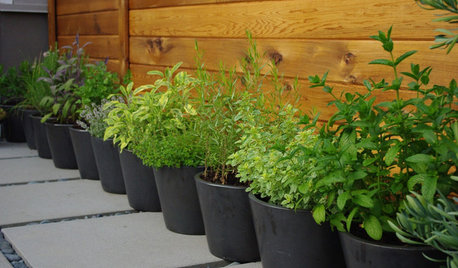
GARDENING GUIDES4 Herb Container Gardens for Fabulous Global Cuisine
Tingle your taste buds with the unbeatable taste of fresh herbs in your Italian, Asian, Mexican or French fare
Full Story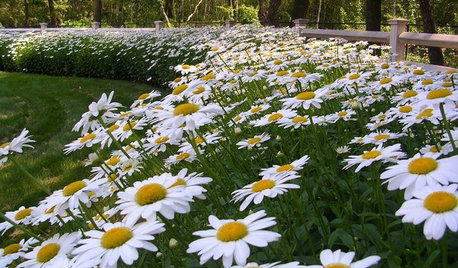
GARDENING GUIDESMix or Mass Daisies for Two Great Garden Looks
The classic daisy looks equally beautiful massed in borders or mixed throughout a naturalistic planting. Which look suits your style?
Full Story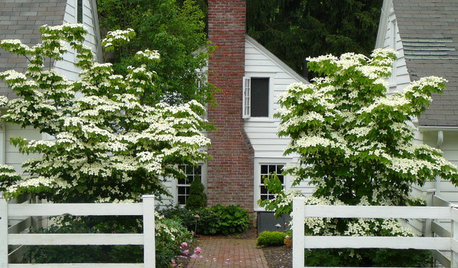
MOST POPULAR20 Ways to Work White Magic in Your Yard
Create enchanting outdoor spots with fresh white fences, florals and furniture
Full Story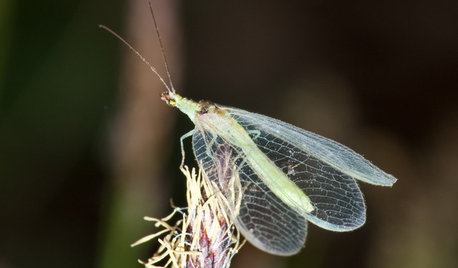
GARDENING GUIDESLook Out for Lacewings: Beneficial Insects Coming to a Garden Near You
Lacewings are delicate insects that produce alligator-like, hungry offspring that devour aphids and other garden pests
Full Story
GARDENING GUIDESTexas Gardener's March Checklist
So long, freezing temperatures. It's time to kick off spring planting, lavish attention on lawns and sprinkle seeds to your heart's content
Full Story0

HOUSEPLANTSGet a Dash of the Rain Forest With Madagascar Dragon Tree
This living decoration reaches up to 15 feet, has minimal needs and adapts to different light levels — just steer clear of fluoride
Full Story
COOL-SEASON CROPSCool-Season Vegetables: How to Grow Leeks
Elegant in the garden and handy in the kitchen, onion-related leeks are worth the effort
Full Story
COOL-SEASON CROPSCool-Season Vegetables: How to Grow Garlic
Beloved in a wide range of dishes the world over, garlic thrives in a fall garden and is easy to grow
Full Story
GARDENING GUIDESThis Fly Is One of the Most Beneficial Insects Around
Meet the syrphid fly, a colorful pollinator that also beats chemicals for controlling aphids and other garden pests
Full Story
GARDENING GUIDES11 Favorite Edibles for Your Cool-Season Garden
Plant crunchy carrots, crisp radishes, tender peas and other vegetables for fall and spring harvests
Full StorySponsored

Customized Award-Winning Interior Design Solutions in Franklin Cnty OH

Kimmsr
krisOriginal Author
Related Professionals
Fort Myers Landscape Architects & Landscape Designers · Lake City Landscape Architects & Landscape Designers · Dayton Landscape Architects & Landscape Designers · Newport Landscape Architects & Landscape Designers · Olympia Landscape Architects & Landscape Designers · Jonesboro Landscape Contractors · Macon Landscape Contractors · Muskogee Landscape Contractors · Grand Forks Landscape Contractors · Omaha Landscape Contractors · Sierra Vista Landscape Contractors · Indianapolis Architects & Building Designers · Portsmouth Architects & Building Designers · Chula Vista Architects & Building Designers · Pullman Architects & Building DesignersKimmsr
dchall_san_antonio
snakeoil
jean001
krisOriginal Author
jean001
Kimmsr
krisOriginal Author
earlystart
Kimmsr
snakeoil