

flowering orchid flowering geranium question
19 years ago
Sort by:Oldest
Comments (5)
Related Stories
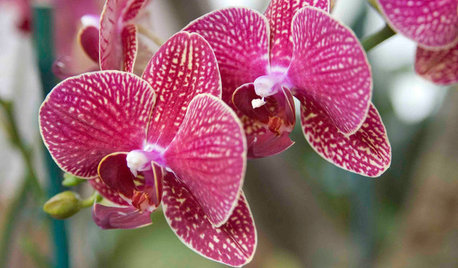
HOUSEPLANTSOrchids 101: How to Keep Your Moth Orchids Alive and Blooming
Growing Phalaenopsis — and getting it to flower again — is easier than you might think
Full Story
HOUSEPLANTSHow to Grow Orchids Indoors
Orchids are the exotic aristocrats of the flower world and can make themselves comfortable in almost any home
Full Story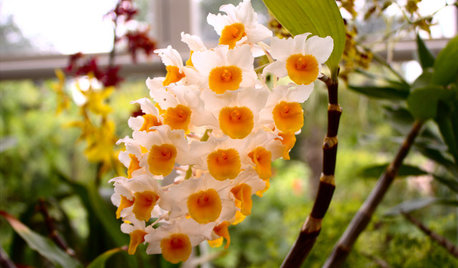
HOUSEPLANTSOrchids 101: Try Something Different With Dendrobiums
If you’re looking for something out of the ordinary, these orchids may be a good choice
Full Story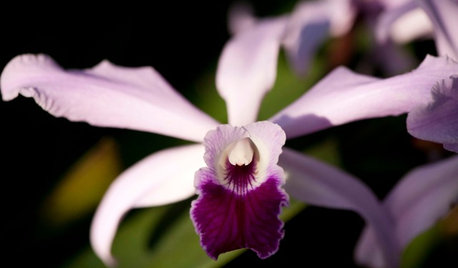
HOUSEPLANTSOrchids 101: Classic Cattleyas
These traditional corsage orchids can easily be a part of your collection of blooming plants
Full Story
COLORBest Ways to Use Radiant Orchid, Pantone's Color of 2014
Learn how to work in this bold fuchsia-pink-purple successfully around the home, and give it a yay or nay in the Houzz poll
Full Story
FALL GARDENING20 Favorite Flowers for the Fall Landscape
Vivid blooms and striking shapes make these annuals and perennials a delight in autumn gardens
Full Story
PORCHESGet the Hang of Hanging Flower Baskets
Learn all about container materials, soil and designing a hanging flower arrangement for a bountiful look on your porch or deck
Full Story
GARDENING GUIDESSee Winning Gardens From the 2015 Chelsea Flower Show
The popular annual London event showcases the best in garden design. Get inspired by these 2015 gold-medal winners
Full Story
GARDENING GUIDESNo-Regret Plants: 5 Questions Smart Shoppers Ask
Quit wasting money and time at the garden center. This checklist will ensure that the plants you're eyeing will stick around in your yard
Full Story
FEEL-GOOD HOMEThe Question That Can Make You Love Your Home More
Change your relationship with your house for the better by focusing on the answer to something designers often ask
Full Story
Sponsored
karren
richardol
Related Professionals
Frederick Landscape Architects & Landscape Designers · Cookeville Landscape Architects & Landscape Designers · Lynchburg Landscape Architects & Landscape Designers · Aurora Landscape Architects & Landscape Designers · Carbondale Landscape Contractors · Meridian Landscape Contractors · Rockford Landscape Contractors · Beatrice Landscape Contractors · Portsmouth Landscape Contractors · Burlington Landscape Contractors · Gaithersburg General Contractors · Muskegon General Contractors · Winona General Contractors · Yakima General Contractors · Magog General Contractorsrfraser529
jane__ny
bradarmi